Although today, thankfully, we associate the term emeritus with the purely academic sphere, originally emeritus professors held neither a chair nor a mortarboard; they wore helmets and carried swords. During the Roman Empire, an emeritus was a veteran soldier, usually a legionary, who had completed his military service with honors. Upon retirement, after 25 years of faithful service to the emperor, the state granted him land and honors befitting his new social standing.
The shift of this recognition from the military to the academic sphere dates back to the 17th century. We can find bibliographic evidence of this transition in several Central European universities, where emeritus professors did not retire and continued teaching until their death.
What we all know today is that the figure of emeritus professor is a recognition of a brilliant career, distinguished by its teaching and research work, which, upon retirement, continues linked to the university, offering its experience to academia for a few more years.
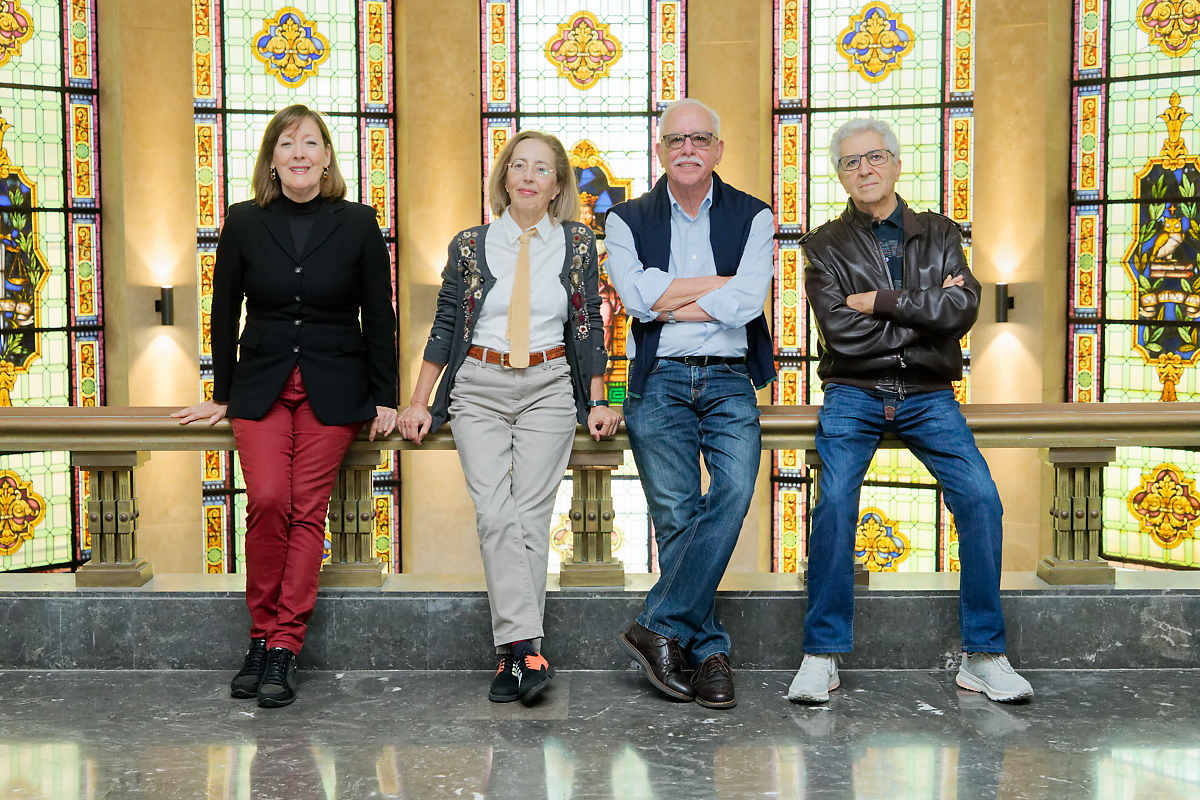
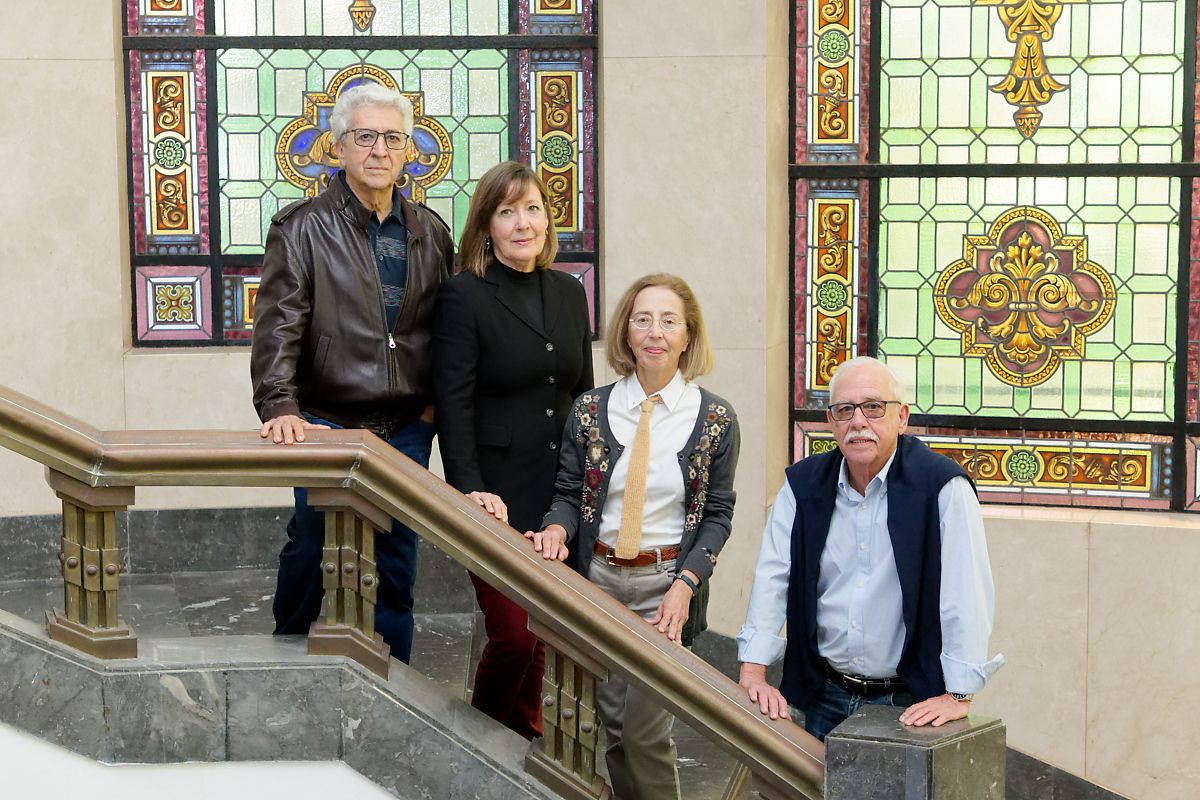 The University of La Laguna approved its latest regulations for emeritus professors in 2023 to "encourage some retired faculty members to continue collaborating, on a temporary basis, in teaching and research as emeritus staff, contributing their experience to improve teaching and promote research, knowledge transfer, and innovation." We met with five emeritus professors to learn about their experiences and perspectives on this academic recognition. A dialogue ensued about what it means to be "emeritus," a term often confused with retirement, but which for them represents the commitment to continue providing "unbiased guidance" to the institution where they grew up.
Rafael Alonso Solís (Physiology and Medicine), Manuel Norte Martín (Organic Chemistry), María Isabel Navarro Segura (History of Art), Eduardo Aznar (Medieval History) and Lidia Esther Santana (Didactics and Educational Research) comprise a mosaic of knowledge that breaks down the old artificial boundary between the sciences and the humanities. A critical and profoundly human portrait of a university navigating between the tradition of "hand and brain" and the dizzying pace of artificial intelligence.
The emeritus king: An underutilized resource?
The role of the emeritus professor has evolved. Rafael Alonso Solís recalls with relief how the university moved from a departmental election, often tainted by internal squabbles, to a competitive process that evaluates the true excellence of the curriculum vitae. However, theory doesn't always align with the reality on the ground. Manuel Norte, with the candor that comes from decades of laboratory experience, recounts how, in his early days, the professor's functions were misunderstood, and he was treated like a newly hired staff member. According to him, these kinds of misinterpretations have led other top-tier researchers to hesitate to apply for the position.
In contrast to this more critical view, Lidia Esther Santana offers the enthusiasm of someone who has just received her appointment. For her, the emeritus professor is a beacon for "new professors," a mentor capable of guiding theses and final degree projects with a calmness that the hustle and bustle of daily management doesn't allow. This dichotomy runs throughout the conversation: the desire to be useful in the face of a bureaucracy that sometimes forgets that these individuals are "professors of the district" and not just cogs in a department. Isabel Navarro even recalls, with an ironic smile, how during her time as an honorary professor the system wouldn't even allow her to borrow books from the library, a perfect metaphor for the disconnect the institution sometimes experiences with its own intellectual capital. These are situations that have been gradually corrected in recent years.
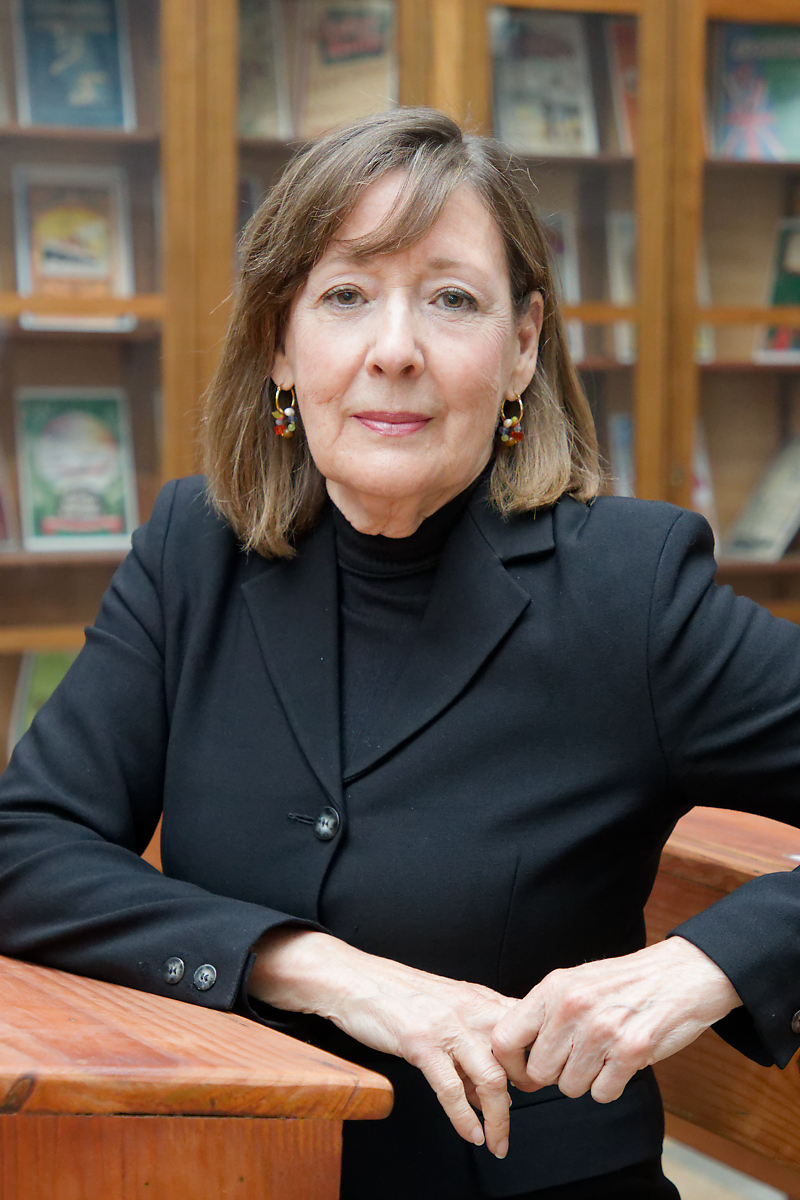
María Isabel Navarro
Navarro proposes a path to restoring academic dignity through the lecture format in the first years of study, but understood as an exercise in masterful synthesis where "hand and brain" work together. The professor argues that first-year students, still "untainted," are the ideal recipients for a seasoned instructor capable of interpreting complexity and reducing it to its essence, transforming teaching not into an administrative formality, but into an invaluable opportunity for intellectual development.
This new affiliation grants the emeritus professor an enviable intellectual freedom. While active faculty members carry out a vibrant and demanding workload that Isabel Navarro describes as "impossible to summarize," the emeritus professor occupies a privileged space of observation. They are a "free agent" capable of offering dispassionate advice, removed from the clamor of power struggles and career interests, allowing the institution to think long-term about its own social and academic viability.
Eduardo Aznar adds a nuance that transcends the individual desires of professors, placing seniority within the realm of corporate strategy. For Aznar, the current regulatory framework of the University of La Laguna is a necessary step forward, but he believes the institution must go further and behave like a proactive company, identifying where it is most advantageous to place its most experienced assets. From his perspective, it is not just about what the professor wants to do, but what the institution needs. He proposes that emeritus professors assume roles as assistant directors in institutes or libraries, or lead interdisciplinary programs where the group combines disciplines as diverse as medicine, psychology, and history to analyze, for example, the impact of artificial intelligence.
This strategic vision is embodied in what the emeritus professors interviewed define as the "fixer." After decades of service, the emeritus professor possesses a network of international contacts that is, in practice, an asset of the university that should not expire with retirement. Eduardo, for example, recounts how this seniority serves to attract prestigious events, such as the meeting of the Spanish Society for Medieval Studies, or to act as a diplomatic bridge: his connections with French universities in Lyon or La Rochelle can open doors for researchers in Chemistry or any other field that needs to establish agreements there. He cites as an example the work of his colleague Basilio Valladares, whose influence in Cape Verde allows the university direct dialogue with ministers and companies, a management capacity that is only acquired over time and that Aznar considers vital for the institution's foreign relations.
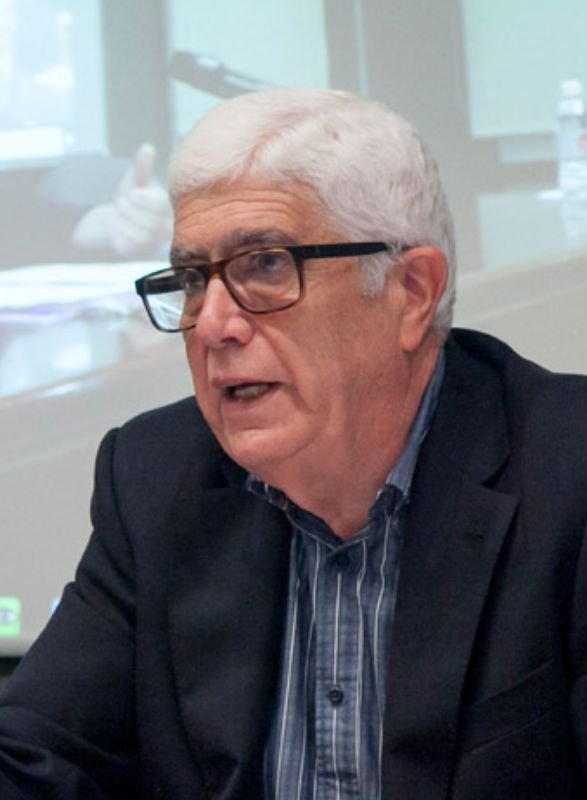
Eduardo Aznar
However, behind this facade of strategic management lies a profoundly human motivation. Aznar confesses that his work and his hobby coincide, so his work as a historian would have continued privately, but it was the "deep relationship of friendship and collaboration" at his institute that prompted him to apply for the position. The deciding factor was not personal ambition, but rather that his own colleagues asked him to stay because his experience could still be useful. Having led the last five research projects in his field, he now naturally assumes the mantle, participating as an advisor to the new principal investigators because, as he himself acknowledges, there is always something of that experience that can pave the way for those who come after, thus rendering one last service of vocation and loyalty to his colleagues and the university itself.
The classroom facing the mirror of technology
When the conversation turns to teaching, the tone becomes more reflective. There is a shared concern about the loss of "human dialogue" in the classroom. Lidia Esther Santana is emphatic: too much deference is paid to technology. For her, the university should be a space of "Citius, Altius, Fortius" (faster, higher, stronger) where critical thinking is demanded, something that today seems to be diluted by a single way of thinking dictated by the immediacy of screens.
This technological disconnection has physical effects. Lidia observes with frustration how students' attention spans have plummeted from 45 minutes of theoretical instruction to a mere 10, victims of a "mobile phone addiction" that interrupts the visual interaction necessary for learning. "Sometimes I have to say: please disconnect from your screens and connect with this teacher," she confesses, lamenting that the classroom is becoming a space of connected loneliness.
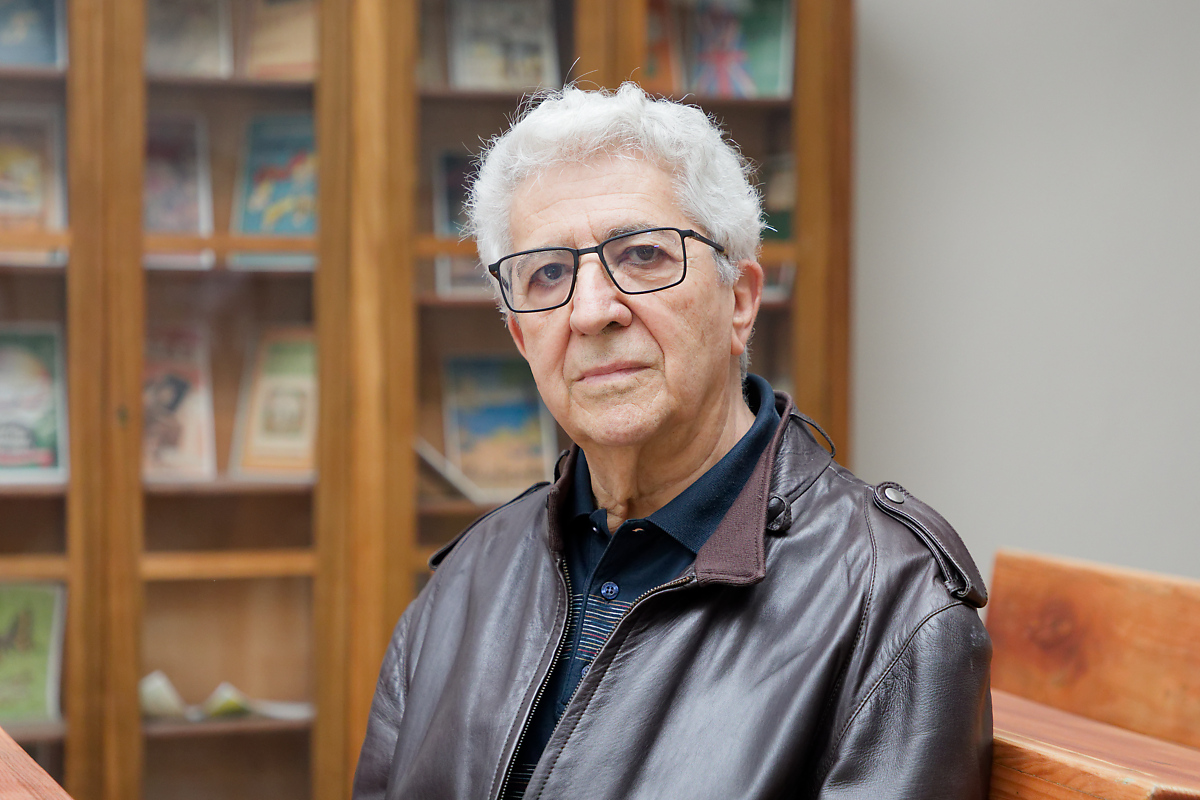
Rafael Alonso
Isabel Navarro reinforces this idea from the humanities, defending the silence necessary for the brain to work without interference. It is a defense of artisanal thinking against the automatic responses of artificial intelligence, a tool that Rafael Alonso deems dangerous not because of its capabilities, but because it pushes people to ask questions "without even considering why they are asking." For Rafael, the great challenge of the modern university is to reunite what the system has separated: the sciences and the humanities must engage in dialogue again, or we will reach a point where "those who know numbers won't understand words, and those who know words won't know how to subtract.".
The sacrifice of research in the 21st century
As our protagonists acknowledge, research operates under the tyranny of funding cycles, typically three years long. It's a relentless machine where a research group's survival depends on the results of the previous project—an obstacle course that emeritus professors have navigated for decades. Lidia Santana focuses on the most human and bitter aspect of this system: the sacrifices made by doctoral students, especially women.
As they confide in us, research isn't just about laboratories; it's a story of researchers who, driven by their vocation, have even financed international stays with their own savings, dragging their families along in a balancing act that often borders on the impossible. In this context of precariousness and dizzying demands, the emeritus professor provides the stability and the necessary wisdom to keep the "new professors" on track. They are living proof that, although methods may change, perseverance and intellectual curiosity are the only driving forces that guarantee the renewal of science.
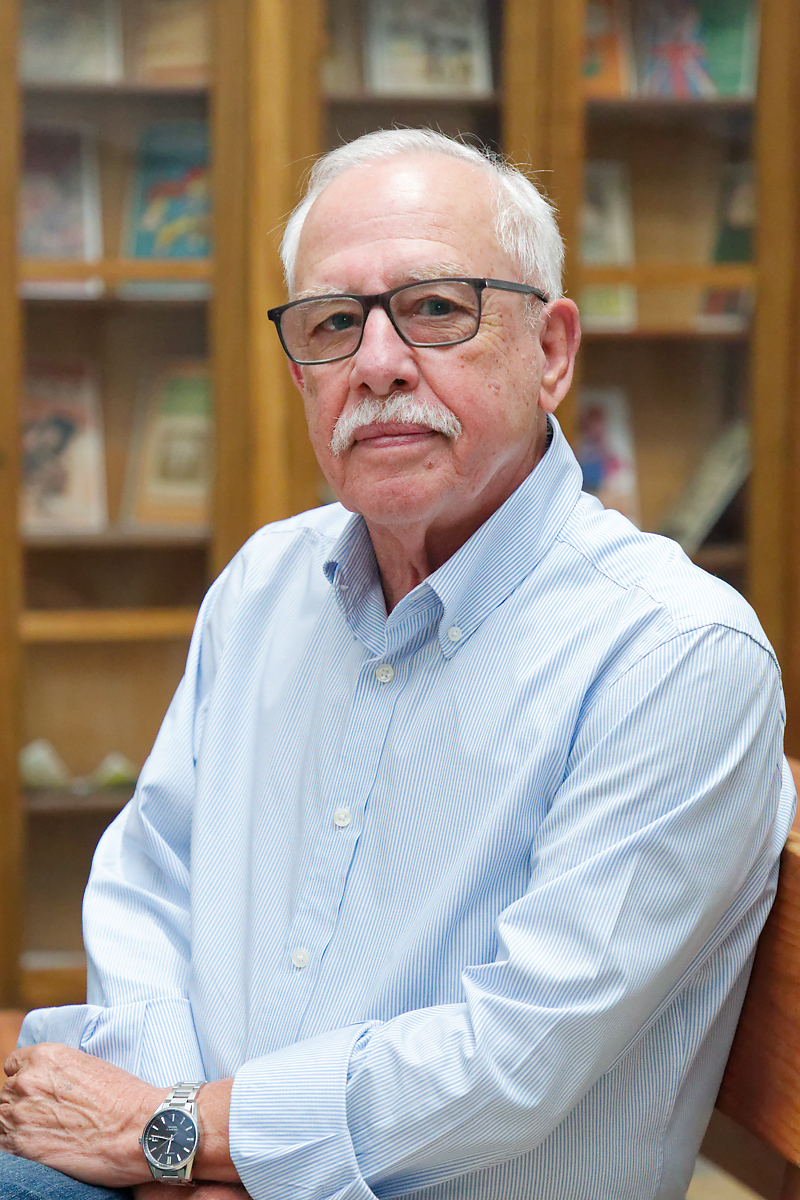
Manuel Norte
Far from the image of the academic in their ivory tower, these five professors champion young researchers. Manuel Norte refutes the notion that new generations are less committed; at his institute, doctoral students still spend the entire day in the lab, "bringing their lunches" and maintaining a pace of scientific output that is vital for the survival of their research groups. Isabel and Lidia highlight the harsher side of this career: job insecurity and personal sacrifice, which work miracles to balance their work life with their professional pursuits—a reality they describe as "true" and which demonstrates that the passion for knowledge remains undiminished, despite the competitive funding system that requires projects to be renewed every three years under constant pressure.
And now, a well-deserved active rest
What remains after a lifetime dedicated to the university? For Rafael Alonso Solís, the answer is a regained freedom. After serving as vice-rector, department head, and founder of an institute, he confesses he doesn't miss anything about administration. Manuel Norte also admits to having moved on to "another stage," visiting the laboratory only so his former colleagues can explain the new advances he no longer follows daily.
Isabel Navarro sums up the feelings of many teachers with a confession that everyone at the table agrees on. She misses the contact with students that forces reflection, but she doesn't miss, "not at all, evaluating, examining, and giving grades." It is, in her words, the "most tedious aspect" of a profession that, at its core, consists of something much higher: keeping intellectual curiosity alive throughout a lifetime.
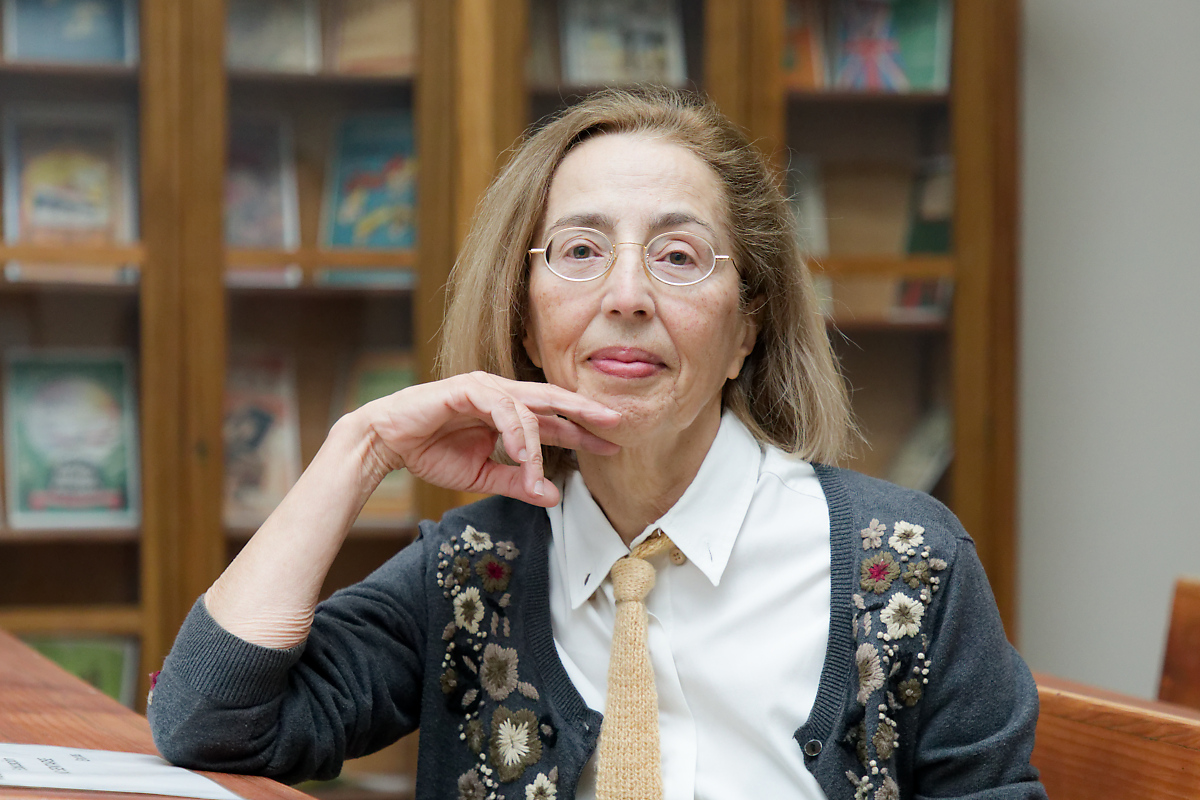
Lidia Esther Santana
Looking back on their own journeys, the protagonists of this report share a hard-won serenity. Rafael Alonso Solís confesses, with literary elegance, that the time he has regained has returned him to his original passion for literature, closing a life circle with the satisfaction of a duty fulfilled. Conversely, Isabel Navarro and Lidia Santana share a sense of relief: having left exams and evaluations behind, now dedicating their time to the subjects that most inspire them.
The figure of the emeritus professor is not, ultimately, a concession from the university to the faculty member, but rather an act of institutional wisdom. Eduardo Aznar summarizes this essence by explaining that his continued tenure stemmed from the wishes of his own colleagues; friendship and professional loyalty thus become the final link that holds together the chain of knowledge. The emeritus faculty stands as a beacon of experience and historical memory, a light that the University of La Laguna must nurture so as not to be forced to repeat, time and again, the same mistakes of the past.
The closing of this life and career cycle is not understood as a retirement, but rather as a redefinition of commitment to the university. As Lidia Esther Santana aptly points out, the title of emeritus professor is intended to be a lifelong commitment, a distinction that seeks to transform accumulated experience into a guiding light for those beginning their teaching careers. This transition, however, requires the institution itself to take a proactive step; Eduardo Aznar is emphatic in stating that the university must act as a proactive partner, knowing where to place its most experienced voices, leveraging their expertise and integrating these individuals into dispassionate advisory and coordination roles that transcend the hustle and bustle of daily management.
Ultimately, what underlies the reflections of these five professors is a staunch defense of the essence of the university. Faced with the fragmentation of knowledge, Rafael Alonso Solís reminds us that the distinction between sciences and humanities is artificial and that the future lies in recovering a humanist vision where numbers and words can once again be understood. It is the same resistance that María Isabel Navarro Segura offers to constant technological mediation, championing the artisanal work of writing as an indispensable tool for critical thinking.
For Manuel Norte, this transition to "another stage" of life allows him to observe the evolution of science from a distance, maintaining a connection with the laboratory but far removed from the tensions of the past. They all agree that, while they don't miss the burden of evaluating and grading, they do miss the exchange of opinions with students that forces them to rethink their own approach.
The University of La Laguna thus bids farewell to its administration, but not to its wisdom; it retains the loyalty of those who chose to remain out of friendship and vocation, convinced that "some experience remains" to pave the way for new generations. The emeritus professors represent the living memory of an institution that, in the words of its members, continues to be a place where the "why" behind things must prevail over any diploma or algorithm.
Communications Office

 Spanish
 English
 French