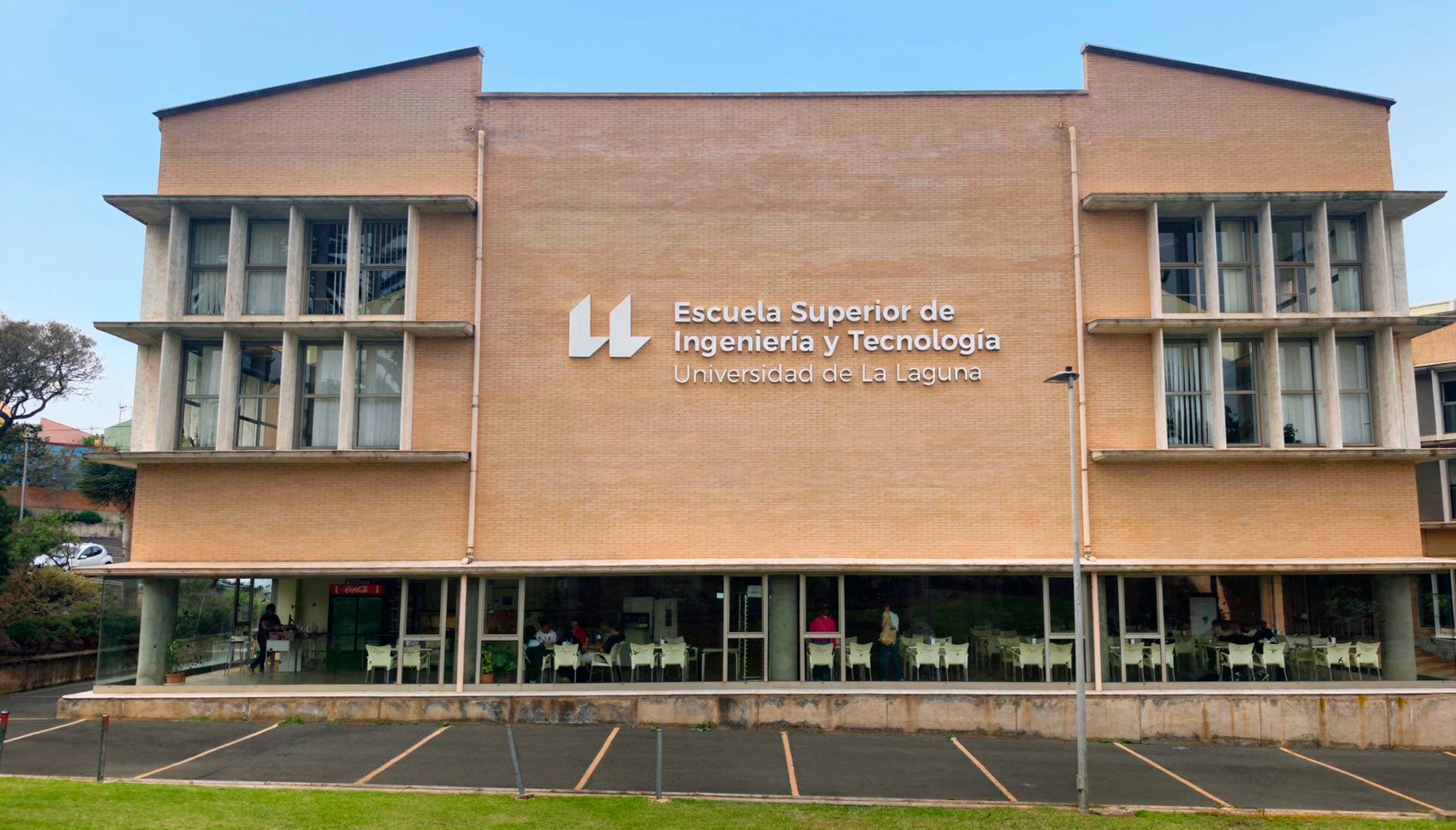
Higher School of
Engineering and Technology
Anchieta Campus
Software incidents and requests
Do you want to request software installation?
If you wish to report an issue, please send an email to ccesit@ull.es
Do you want to request software installation?
If you wish to report an issue, please send an email to ccesit@ull.es
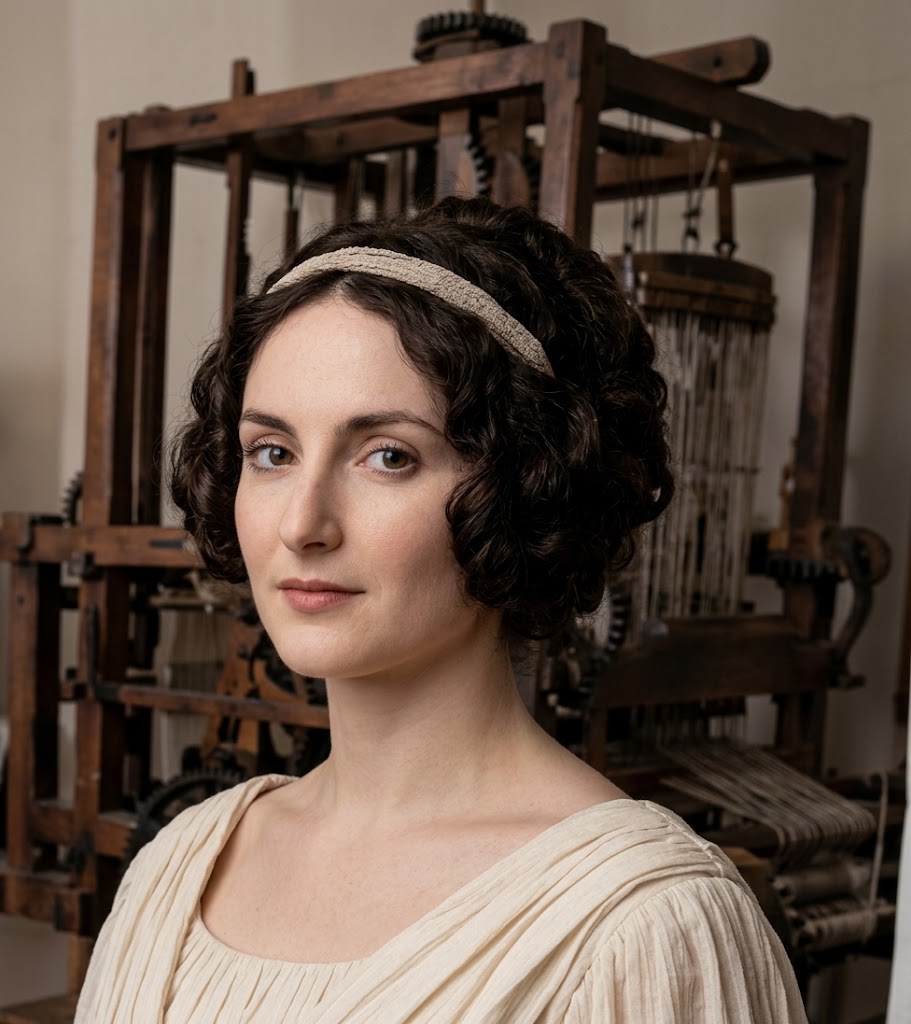
Ada Lovelace
Ada Lovelace | 1815-1852
“Imagination is the discovering faculty.”
In 1843, Ada Lovelace wrote the first algorithm in history explicitly designed to run on a machine: a detailed method for calculating Bernoulli numbers, included in her supplementary notes to a paper on Charles Babbage's Analytical Engine, with whom she collaborated closely. She was deliberately educated in mathematics—she was the daughter of the poet Lord Byron—and this algorithm is now considered the first program explicitly designed to run on a machine, almost a century before the first electronic computer existed.
What was truly ahead of its time was not just that algorithm, but an intuition: Lovelace understood that a machine capable of manipulating symbols according to rules could go far beyond arithmetic, and even imagined that one day it could compose music. She herself described her way of thinking as "poetic science," the union between the analytical rigor inherited from her mathematical training and the imagination she associated with her father.
Ada Lovelace demonstrated that computing was not born from a chip or a motherboard, but from an idea: that calculation and creativity are not opposites. In her honor, the Ada programming language, developed in the 1980s for the U.S. Department of Defense, bears her name.
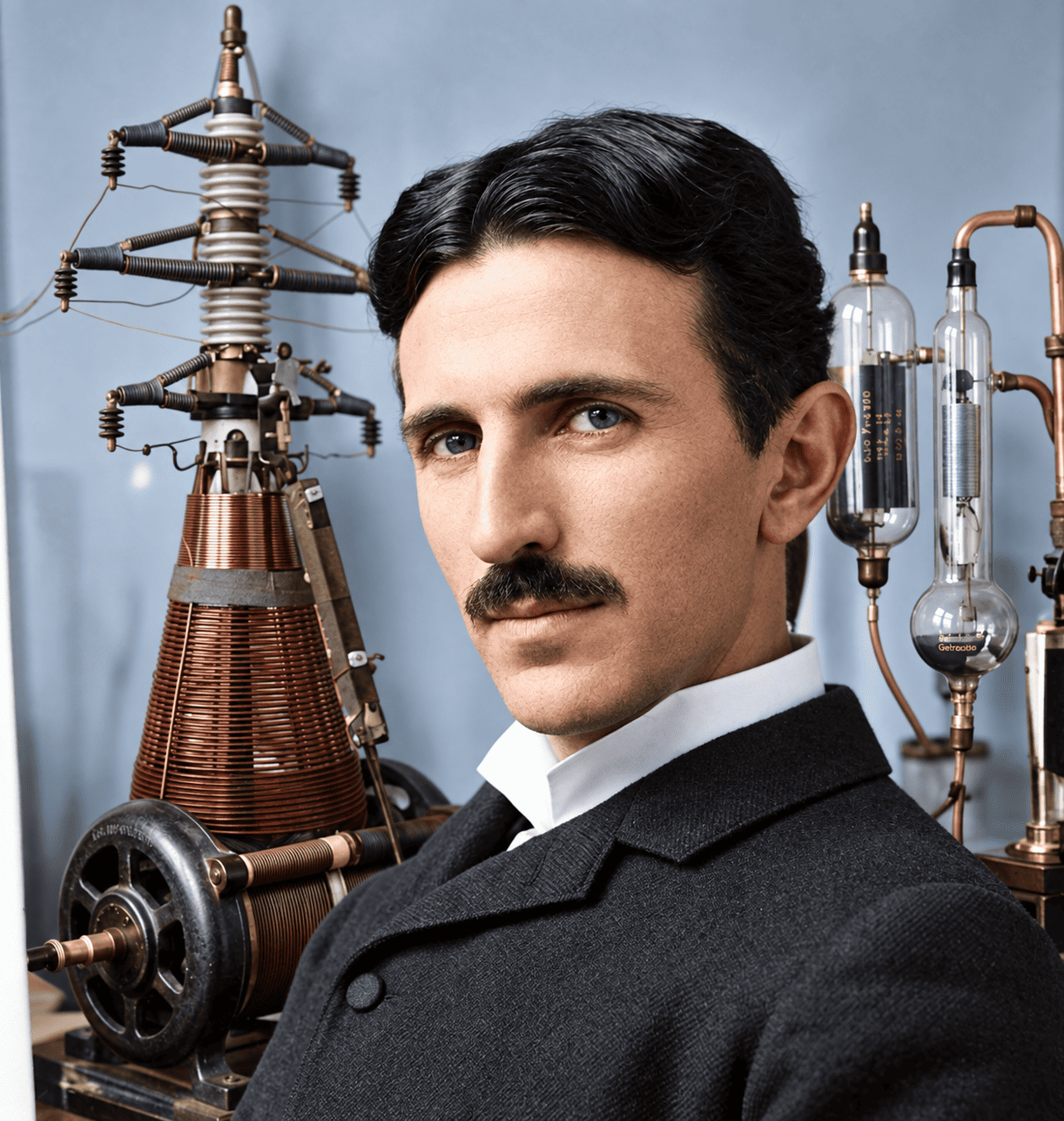
Nikola Tesla
INDUSTRIAL ENGINEER AND INVENTOR | 1856 – 1943
“Let the future tell the truth and judge each of us according to our deeds and achievements. The present belongs to them; the future, for which I truly worked, is mine.”
Tesla developed the alternating current induction motor and the entire polyphase system necessary to generate, transmit, and use alternating current. This put him at odds with Thomas Edison in the well-known "War of the Currents": Edison championed direct current, which was safer over short distances but incapable of traveling long distances without losing almost all its energy. Tesla's alternating current could be transmitted over hundreds of kilometers with minimal losses, and this technical advantage ultimately decided the conflict.
The triumph of alternating current is the reason why today a power plant can illuminate an entire city hundreds of kilometers away. Factories, homes, hospitals, transportation: the mass electrification of the 20th century—and with it, much of modern industrialization—rests on the architecture that Tesla designed. To this must be added his experiments with the coil that bears his name and his early explorations in wireless power and signal transmission, a field that, albeit imperfectly, foreshadowed what would later become radio and telecommunications.
Tesla embodies the idea that an engineering decision—alternating current versus continuous current—can completely redesign how a society lives. He didn't just invent a machine: he laid the invisible infrastructure upon which almost everything else rests.
The physical poster only reproduces the last sentence, due to space limitations; here the complete quote is included, so as not to lose the contrast that Tesla establishes between the present and the future.
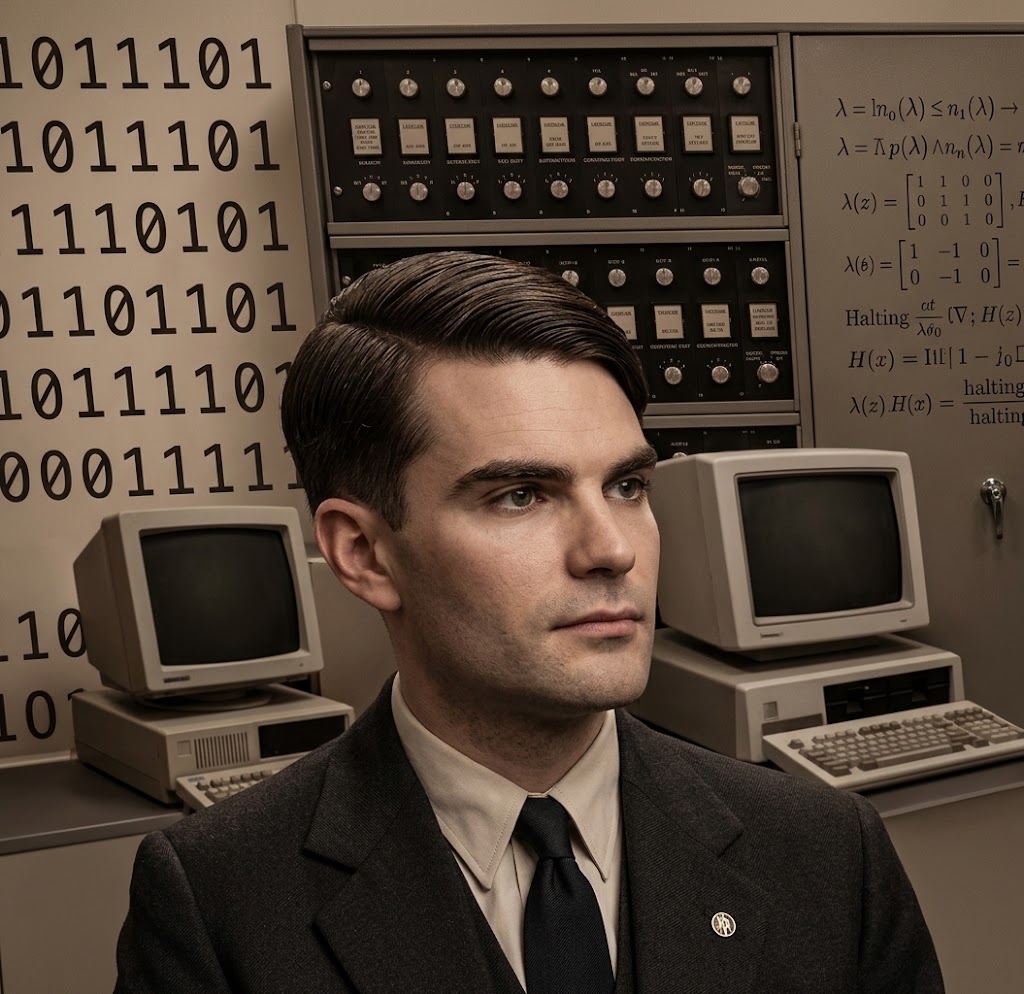
Alan Turing
Father of computing | 1912 – 1954
“If a machine behaves as intelligently as a human being, then it is as intelligent as a human.”
In 1936, at just 24 years old, Turing published a paper defining what "computing" means before a single computer existed: the Turing machine, a theoretical model capable of executing any imaginable algorithm. That abstract idea is, quite literally, the foundation upon which all modern computing is built.
At Bletchley Park, he led the team that designed the Bombe, an electromechanical machine capable of deciphering messages encrypted by Enigma, the system used by the German navy. Historians estimate that breaking Enigma shortened the war in Europe by several years and saved a very high number of lives. It was, in practice, the first major triumph of computing applied to a real and urgent problem.
In 1952, Turing was prosecuted for gross indecency—homosexuality was a crime in the UK at the time. He lost his security clearance and was barred from the work that had given his life meaning. In June 1954, he was found dead in his home; a bitten apple lay beside him. The official inquest concluded that he had committed suicide by cyanide poisoning, although some historians have pointed out that the evidence is not entirely conclusive. The UK did not issue a formal apology until 2009, and Queen Elizabeth II posthumously pardoned him in 2013.
The idea that Apple's logo—a bitten apple—is a tribute to Turing has circulated for decades. It's a much-repeated story, but both the logo's designer, Rob Janoff, and Apple have explicitly denied it: they maintain that the "bite" was only added so that, at a small size, the silhouette wouldn't be mistaken for a cherry. The coincidence remains unproven, but the story has never stopped being told.