(Bio)Analytics and Environment
Information about the line of research.
Updated list of staff and the type of employment they have.
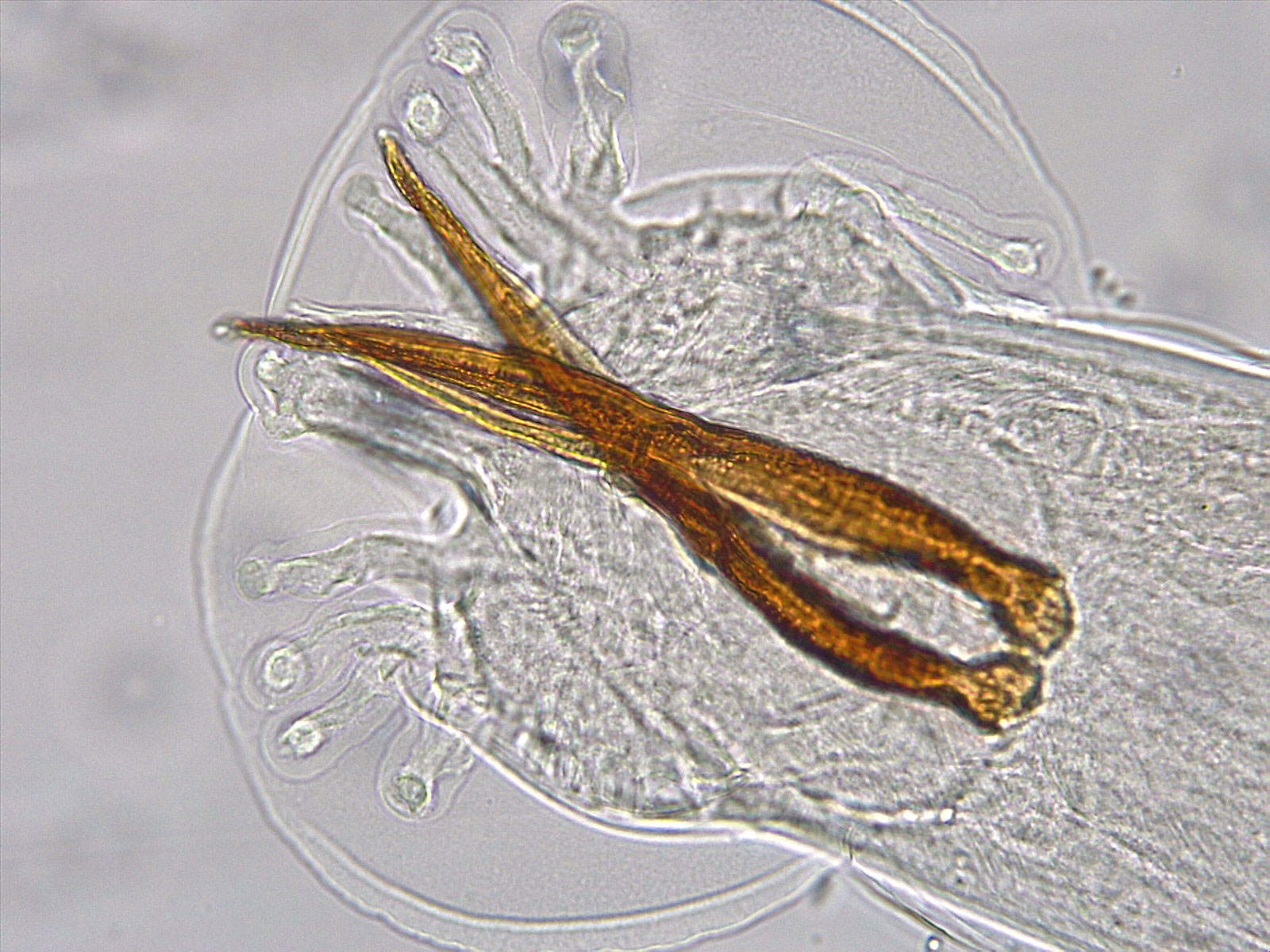
Dr. Javier Hernández Borges, Professor of Analytical Chemistry, Department of Chemistry
Dr. Cintia Hernández Sánchez, Assistant Professor, Department of Obstetrics,
Dr. Javier González Sálamo, Contracted for the Catalina Ruiz Program, Department of Chemistry
Dr. Cecilia Ortega Zamora, FPI Contracted Researcher of the ACIISI Government of the Canary Islands, Department of Chemistry
Dr. Gabriel Jiménez Skrzypek, FPI Contracted Researcher of the ACIISI Government of the Canary Islands, Department of Chemistry
Dr. Verónica Pino Estévez, Full Professor at the University, Departmental Unit of Analytical Chemistry, Department of Chemistry
Dr. Adrián Gutiérrez Serpa, FPI Contracted Researcher of the ACIISI Government of the Canary Islands, Department of Chemistry
IAdditional information
Active projects:
1.- "Adsorption of pollutants by microplastics present in the environment: improvement of analytical methodologies from the perspective of Green Analytical Chemistry.".
PID2020-112867GB-100. Amount: €84,700. National Plan. Duration: 2021-2024. PI: Javier Hernández Borges (ULL)
2. “Assessment of the impact of microplastics and emerging pollutants on the coasts of Macaronesia (IMPLAMAC)”. Reference: MAC2/1.1a/265, Programme of
Transnational Cooperation Azores-Madeira-Canary Islands (MAC 2014-2020), €1,341,522.30. Duration: 2019-2022. Principal Investigator and coordinator of the European project: Javier Hernández Borges (ULL).
3.- “Determination of microplastics in benthic organisms of the intertidal zones of La Palma”. Cabildo de La Palma, €15,000. Duration: 2021-2022. PI: Cintia Hernández Sánchez (ULL).
4.- “Determination of the presence of microplastics in the seabed of the Canary Islands”. Diario de Avisos Foundation, €15,000. Duration: 2020-2021. PI: Javier Hernández Borges (ULL).
5. «Thematic Network on Micro and Nanoplastics in the Environment (EnviroPlaNet)». Reference: RED2018-102345-T, National Plan, Ministry of Science and Universities, €33,000. Duration: 2020-2021. PI: Roberto Rosal García (PI-ULL Javier Hernández-Borges)
6.- "Immolative polymers with eco-innovative analytical applications". Amount: €3757. Duration: 2019-2022. PI: Javier González Sálamo (ULL).
7.- “Analysis of plastic migrants using advanced analytical techniques combined with alternative extraction techniques in agri-food samples”.
Reference: AGL2017-89257-P, National Plan, Ministry of Science, Innovation and Universities, €66,550. Duration 2018-2020. Co-PI: JavierHernández Borges (ULL).
8.- “National network for innovation in miniaturized sample processing techniques”
Ref. RED2018-102522-T
Call for proposals: National - Research Networks. Ministry of Science, Innovation and Universities.
Project duration: 01/01/2020 to 31/12/2021 (2 years).
Grant amount: €20,000.00.
Principal Investigator: Marisol Cárdenas Aranzana. (IP-ULL: Verónica Pino Estévez)
9.- «Emerging pollution in aquifers and coastal waters of the Canary Islands: Evaluation of new sustainable methods for its monitoring”
Ref. ProID2020010089
Call for proposals: Regional. Canary Islands Agency for Research, Innovation and the Information Society (ACIISI, GobCan).
Project duration: 01/01/2020 to 30/09/2022 (2 years and 9 months).
Grant amount: €70,000.00.
Principal Investigator (PI): Verónica Pino Estévez.
10.- "Microdevices made of new materials for non-invasive analysis"«
Ref. PID2020-115004RB-I00
Call for Proposals: National. Research Challenges.
Project duration: 01/09/2021 to 31/08/2024 (3 years)
Grant amount: €125,000.00
Principal Investigator (PI): Verónica Pino Estévez. Co-PI: Ana Belén Lago Blanco
11.- "A simple platform for sample pretreatment in Analytical Chemistry"«
Ref. PDC2021-120816-I00
Call for applications: National. Proof of Concept.
Project duration: 01/01/2022 to 31/12/2023 (2 years)
Grant amount: €115,000.00.
Principal Investigator (PI): Verónica Pino Estévez
Research line name: Island ecology
Information about the line of research:
I study the dynamics and functioning of island ecosystems, with special attention to the archipelagos of Macaronesia, which includes short-term (community ecology) and long-term (paleoecology) temporal dynamics, human impact (fire, herbivory, exotic species, carbon footprint), and management and conservation (ecological restoration, carbon capture) on islands.
Updated list of staff and their type of employment:
José María Fernández-Palacios Martínez (PI, Professor of Ecology)
José Ramón Arévalo Sierra (Professor of Ecology)
Lea de Nascimento Reyes (Assistant Professor of Ecology)
Álvaro Castilla Beltrán (Contracted Postdoctoral Researcher, FGULL)
Enrique Fernández-Palacios Rodríguez (FPU PhD student)
Information about the research unit.
This unit is made up of the research group – Galenic Development of Medicines – which works on the following lines of research:
- Development, optimization and evaluation of controlled-release drug dosage forms
- Optimization and control of medications for pediatric use
- Evaluation and quality control of medicines
- Characterization and stability of macromolecules
Updated list of staff and the type of employment they have.
– José B. Fariña Espinosa, Professor of Pharmacy and Pharmaceutical Technology, ULL
– Mabel Soriano Torres, Professor of Pharmacy and Pharmaceutical Technology, ULL
– Alexis M. Oliva Martín, Professor of Pharmacy and Pharmaceutical Technology, ULL
– Ana Mª Santoveña Estévez, Professor of Pharmacy and Pharmaceutical Technology, ULL
– Mª Magdalena Echezarreta, ULL Doctor Assistant Professor
– Javier Suárez González, Temporary Contracted Professor, ULL
– Eduardo Díaz Torres, ULL Predoctoral Researcher
– María Magariños Triviño, Predoctoral Researcher ULL
– Amor Rayco Cáceres Pérez, ULL Predoctoral Researcher
Unit Director: Roberto Dorta Guerra
Names of the lines of research:
- Research design: sampling, sample sizes, types of designs…
- Optimal experimental designs for linear and nonlinear models
- Biostatistical analysis of univariate and multivariate data
- Spatial statistics
- Support in scientific computing resources for data analysis.
Information about the research unit.
The unit's objective is to provide statistical and computer support services to the Institute's various research groups to improve the quality of the results and conclusions obtained.
Updated list of staff and their type of employment.
Roberto Dorta Guerra
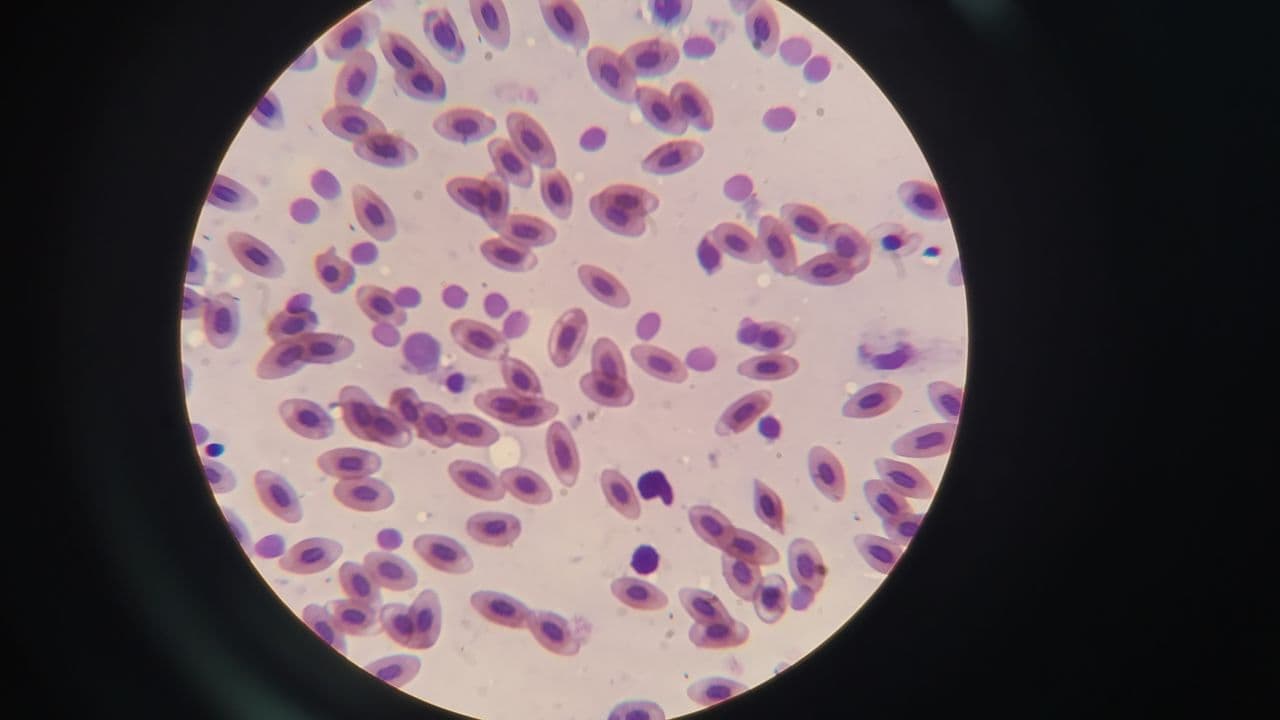
Research line name: Genetics of alpha-1-antitrypsin deficiency
Information about the line of research: Human alpha-1 antitrypsin (AAT) is a circulating glycoprotein with antiprotease and immunomodulatory activity.
Synthesized and secreted primarily by hepatocytes, AAT reaches basal concentrations of 0.9–1.75 g/L in the bloodstream, although its plasma level can increase to 100 g/L in response to inflammatory or infectious stimuli. Its main function is to inhibit the excess of elastase 2 and proteinase 3 released by activated neutrophils, preventing excessive proteolytic degradation of elastin and type IV collagen in the lungs. Certain mutations in the SERPINA1 gene (Serine Protease Inhibitor, group A, member 1) cause AAT deficiency (AATD), a hereditary condition that predisposes individuals to developing various diseases, typically pulmonary emphysema in smokers and several types of liver disease. While liver disease is triggered by the intracellular accumulation of AAT polymers, emphysema is caused by low serum concentrations of AAT, insufficient to protect the connective tissue of the lung from the damaging effects of neutrophil proteases.
Through molecular analysis, hundreds of variants of the SERPINA1 gene have been identified, and approximately 70 of these have been associated with clinical manifestations. The most common deficient alleles in populations of European descent are PI*S and PI*Z, with frequencies of 5-10% and 1-3%, respectively. In clinical practice, 96% of AATD-associated pathologies occur in PI*ZZ homozygotes, and the remaining 4% in PI*SZ heterozygotes and genotypes composed of the PI*Z allele and a rare defective allele. Despite being one of the most common genetic disorders among Caucasians, AATD remains underdiagnosed, hindering the implementation of appropriate preventive and therapeutic measures. It is estimated that approximately 90% of individuals with severe AATD remain undiagnosed, and in detected cases, there has been an average delay of 6 years from the onset of symptoms, often when the lung disease is irreversible. This worrying situation is due, in part, to the fact that the clinical symptoms caused by AATD are essentially indistinguishable from those of other non-hereditary respiratory diseases, but it is also influenced by a lack of awareness of AATD or the fact that clinicians only order a specific test for the diagnosis of the deficiency when the patient very closely matches the classic clinical description of lung disease associated with AATD.
Updated list of staff and their type of employment.
José Antonio Pérez Pérez; Full Professor at the University; Department of Genetics
Mario Andrés González Carracedo; Contracted Professor with a PhD; Genetics Area
Name of research line
Molecular basis of uterine fibroid development. MOLMIO
Information about the line of research
The main objective is to determine the molecular mechanisms involved in the development of uterine fibroids using the culture of fibroids as a study platform.
Organs. In this culture system, it is possible to determine the biological effects on gene expression produced by various substances important for the development of these tumors, such as steroid hormones, peptides, cytokines, and growth factors, while maintaining the interaction between all the cells of the tissue and the tumor microenvironment. Furthermore, this organ culture constitutes an ideal preclinical platform for testing the biological effects of different drugs.
Updated list of staff and their type of employment.
Teresa Acosta Almeida. Full Professor in the Genetics Department
Ana Salas Pérez. Final year doctoral thesis student with a CajaSiete predoctoral contract.
Paula Vázquez Fernández: First-year doctoral thesis student with a predoctoral contract from the Government of the Canary Islands
Silvia Beltrán Flores: Student of the Master's Degree in Biomedicine
Sophie León Monsalve: Biology degree student.
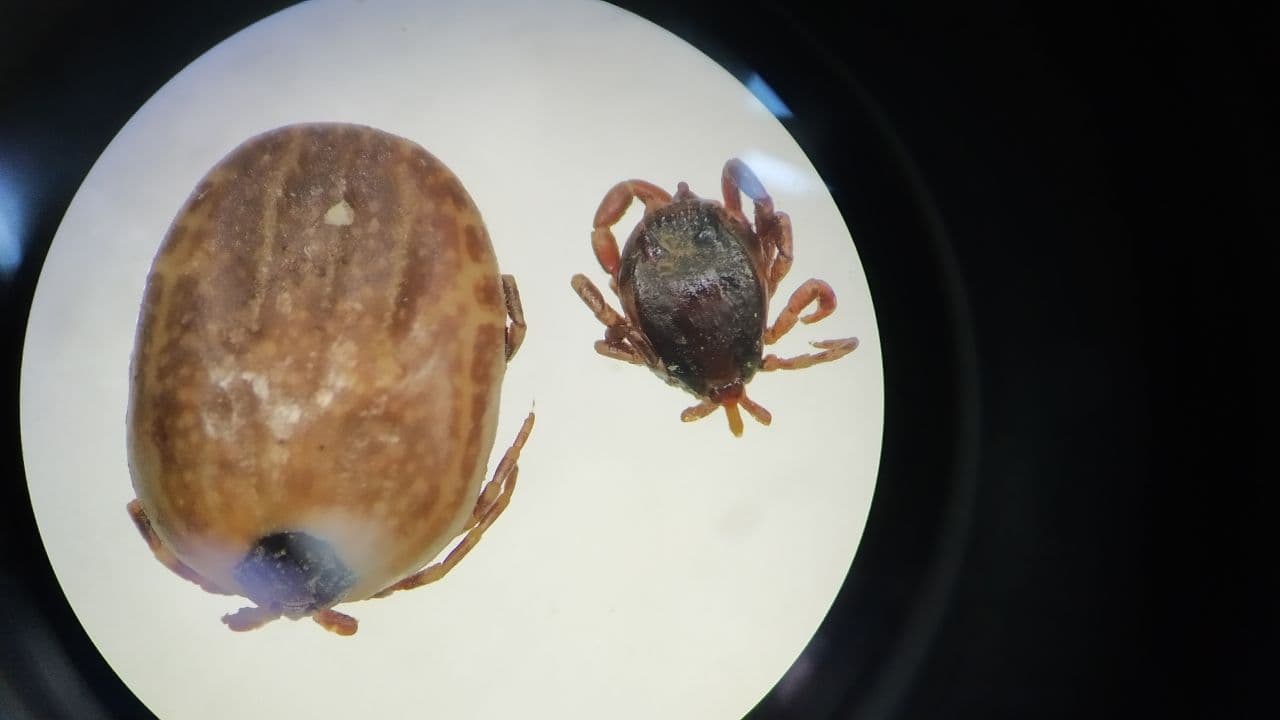
Laboratory: Immunology and Molecular Biology of Parasites
Information about the Research Line
Emerging zoonoses as causes of Intermediate Duration Fever in the islands of La Palma and El Hierro, Canary Islands
- Identification of the infectious causes of IDF on the islands of La Palma and El Hierro and their incidence, as well as the associated epidemiological profile.
Funding: ACIISI ProID2020010071, in collaboration with the University of Barcelona and the Canary Islands Health Service.
Transcriptional analysis for the evaluation of the response to parasitic protozoan infection, using large-scale RTqPCR
- Determination of biomarkers of infection and progression.
- Evaluation of drugs or vaccines that may be effective against parasites.
Updated list of staff and their type of employment.
Emma Carmelo Pascual, Professor of Parasitology
Genesis Palacios Cortés, PhD student, ACIISI Contract
Wilson Silvestre del Carvalho Correia, PhD student.
Services that are carried out
High-throughput RTqPCR for large-scale transcriptional analysis
Determination of biomarkers using High-throughput RTqPCR
PCR for the determination of microorganisms
Research Area
Biomarkers in the diagnosis and progression of diseases
Description:
This research investigates various potential biological markers due to their relevance in the diagnosis and monitoring of the progression of different respiratory, dermatological, and cancerous diseases. These biomarkers include those related to aging, such as telomere shortening, as well as various markers of oxidative stress, inflammation, and/or tissue repair, all studied in both humans and animal models.
Staff list
-Angélica Domínguez de Barros. Biologist hired to lead Research Project- FICIC
-Olga Malena Gajate Arenas. Doctoral candidate in the Medical and Pharmaceutical Sciences, Development and Quality of Life program.
– Elizabeth Córdoba Lanús. Postdoctoral Researcher, PI of the laboratory
Name lines of research
– Antiparasitic Chemotherapy
– Research on Free-Living Amoebas
Description:
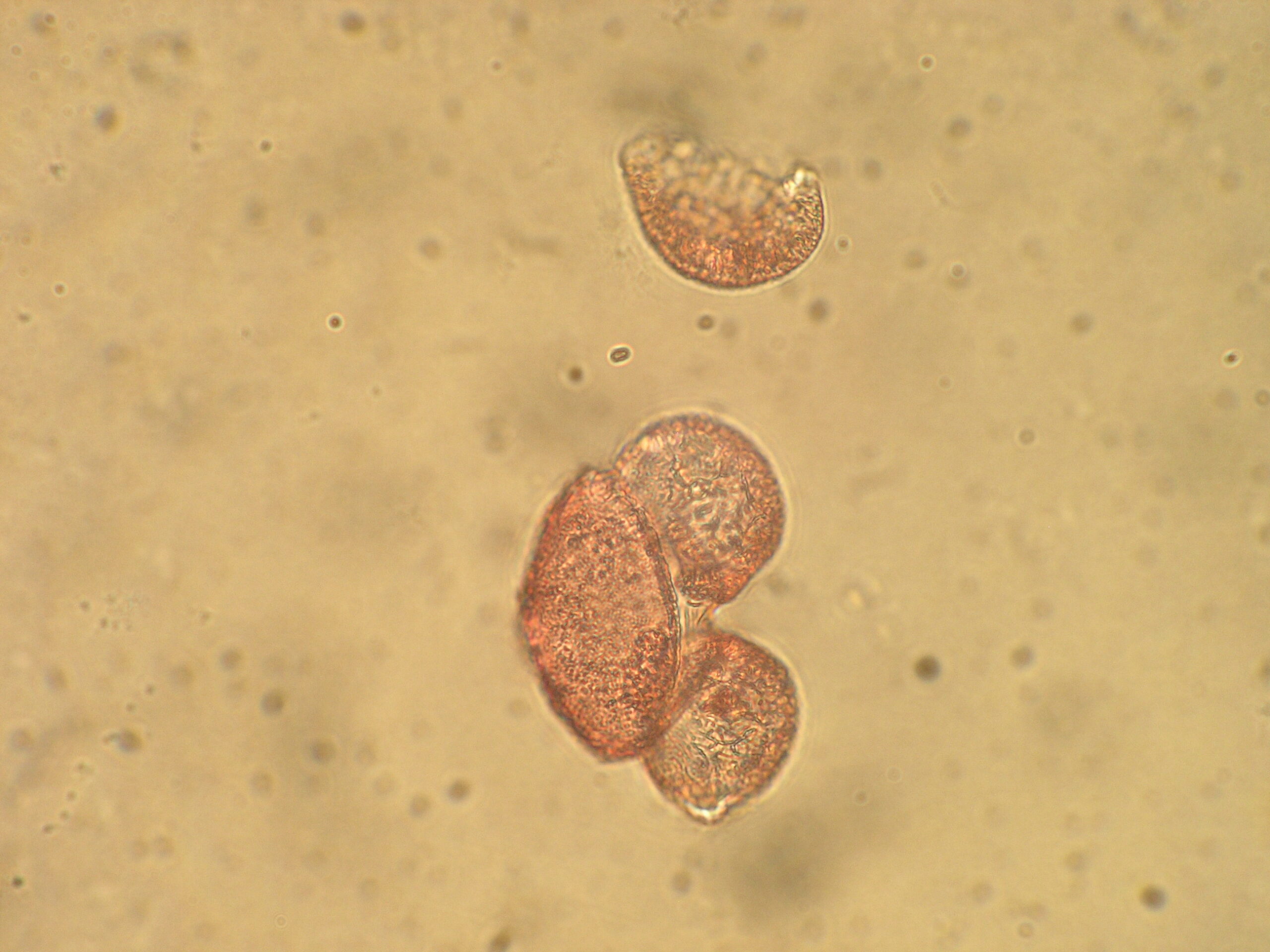
He Antiparasitic Chemotherapy Laboratory This research focuses on the search for new molecules of natural and/or synthetic origin to combat parasitic and emerging protozoa. The laboratory uses four in vitro models of protozoa: Leishmania spp., Trypanosoma cruzi, Acanthamoeba spp., and Naegleria fowleri. In this area, the laboratory collaborates with national and international centers (Germany, Tunisia, Morocco, Peru, Mexico, Argentina, Austria, Italy, among others) to study natural sources such as medicinal plants, seaweed, and other marine animals, as well as synthetic products and their validation as potential drugs against infections caused by these protozoa, for which there are currently no highly effective treatments, and those that exist are highly toxic.
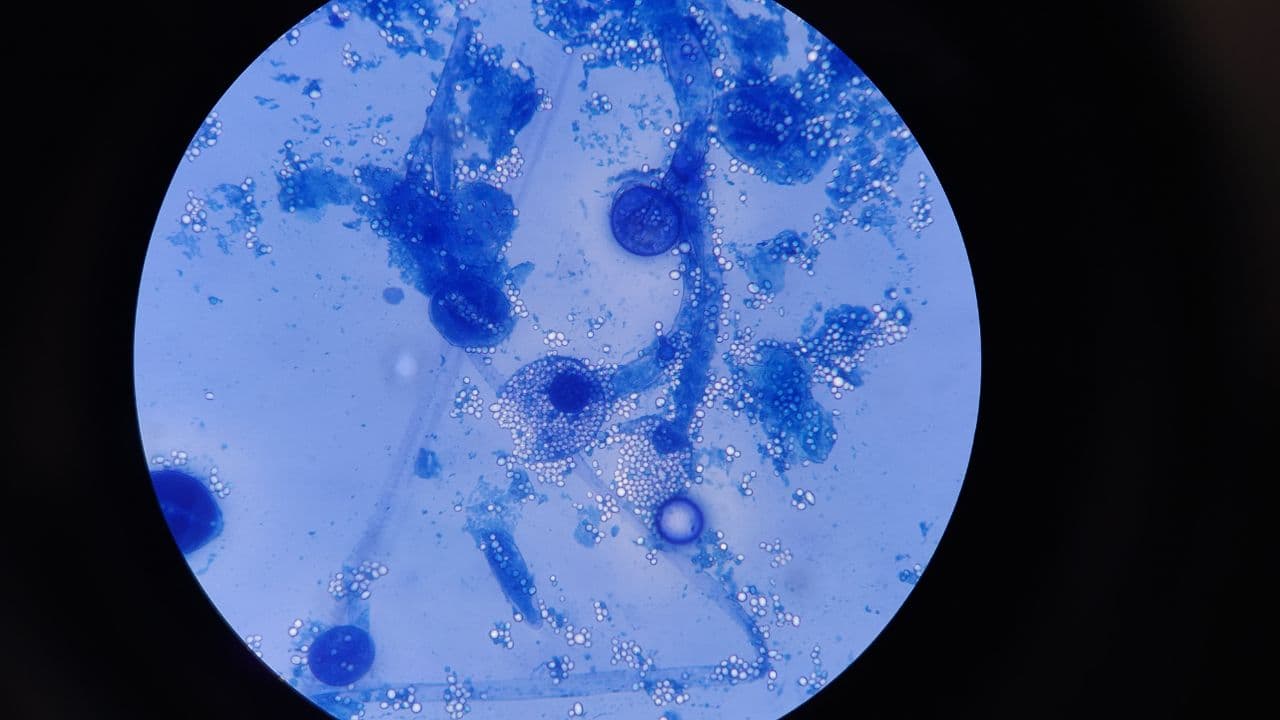
He Free-Living Amoeba Laboratory (FLAV) This research focuses on the morphological and molecular study and characterization of these opportunistic pathogens. Within this group, which includes amoebae capable of living in any type of environment (water, soil, air, etc.), there are four genera/species with pathogenic potential for humans and other animals: Balamuthia mandrillaris, Naegleria fowleri, Acanthamoeba spp., and Sappinia spp. These pathogens can cause infections in the central nervous system, leading to encephalitis, which in the case of N. fowleri is rapid and fulminant.
This laboratory conducts environmental distribution studies of acanthamoeba keratitis (AKF), enabling it to detect these pathogens on nearly every continent where it collaborates. Furthermore, they work to improve our understanding of the pathogenesis processes of these organisms. They also provide diagnostic services for AKF (Acanthamoeba keratitis, amoebic encephalitis) to the Canary Islands Health Service and members of the Cooperative Research Network on Tropical Diseases (RICET), serving as a national reference center for these pathogens. They also offer this service to external companies or individuals. Recently, due to the inclusion of the Canary Islands Institute of Tropical Diseases and Public Health in the CIBER (Network of Biomedical Research in Infectious Diseases), the same service will be provided to CIBER members.
Another available service is the detection of AVL in drinking and/or recreational waters due to the increase in AVL infections through these routes in recent years.
Members
Head of Laboratory (Therapy): Dr. José E. Piñero Barroso, Full Professor of Parasitology
Head of Laboratory (Amoebas): Dr. Jacob Lorenzo Morales, Full Professor of Parasitology
Other members:
Dr. Atteneri López Arencibia, Assistant Professor of Parasitology
Dr. Ines Sifaoui, Postdoctoral Researcher
Dr. María Reyes Batlle, Postdoctoral Researcher
Dr. Ikrame Zeouk, CEI Junior Postdoctoral Researcher-ULL
Dr. Pedro Rocha Cabrera, Collaborating Researcher
Mr. Aitor Rizo Liendo, FPI-Gobcan Predoctoral Researcher
Mr. Carlos J. Bethencourt Estrella, FPI-Gobcan Predoctoral Researcher
Mr. Rubén L. Rodríguez Expósito, FPI-Gobcan predoctoral researcher
Ms. Desirée San Nicolás-Hernández, FPI-Gobcan Predoctoral Researcher
Mr. Iñigo Arberas Jiménez, FPI-Gobcan Predoctoral Researcher
Ms. Patricia Pérez Pérez, FPI-Gobcan Predoctoral Researcher
Mr. Javier Chao Pellicer, Predoctoral Researcher
Mr. Christian Martín Real, collaborator
Available services
| Code | Concept | IGIC |
| 3 | Acanthamoeba PCR diagnosis | General |
Rates
| T3 | 55,00 € | ||
| T4 | 70,00 € | ||
| Code | Concept | IGIC | |
| 4 | Diagnosis Naegleria fowleri PCR | General | |
Rates
| T3 | 55,00 € | |
| T4 | 70,00 € | |
| Code | Concept | IGIC |
| 5 | Diagnosis of free-living amoebae (Culture) | General |
Rates
| T3 | 40,00 € |
| T4 | 55,00 € |
Laboratory name:
Biological Alerts Laboratory
Description:
Since January 29, 2019, the IUETSPC has been a member of the Biological Alert Laboratory Network (RELAB), regulated by Order PCI/1381/2018. This international network was created in February 2009 by Order of the Presidency of the Government (Order PRE/305/2009, of February 18). It is a scientific and technical infrastructure providing operational support to the National Crisis Management System for responding to threats from hazardous biological agents. Currently in Spain, it comprises nine microbiology laboratories with high-containment biosafety facilities, specializing in the different fields considered high-risk (human, animal, environmental, plant, and food health).
This Network is connected to health alert coordination bodies and biological threat surveillance and response networks established in various national and international health sectors, with mechanisms for the rapid exchange of information regarding biological risks that may affect different health sectors. In turn, the laboratories comprising RE-LAB serve as reference and support laboratories within the corresponding surveillance networks established in their respective areas.
The Canary Islands, due to their proximity to the African continent, are at a geostrategic point for trade, the exchange of goods, tourism, and investment with the neighboring continent. This implies the movement of people from Africa through Europe, and therefore carries the potential risks of the development and transmission of diseases, whether parasitic or viral, in our environment. This laboratory offers diagnostic support primarily for these emerging infections and for the handling of BSL-2 and BSL-3 samples, as it has an attached P-3 laboratory.
That is why the Institute has expanded into new possible lines of research, such as the diagnosis of Ebola and COVID-19.
As a result of the current health crisis, since April 10, 2020, the IUETSPC has been authorized by the Carlos III Health Institute as a support center for PCR analysis of clinical samples with COVID-19, a diagnosis that is being carried out in the center's Biological Alerts laboratory, under the resolution of the Directorate
General of Public Health of the Canary Islands Health Service of May 4, 2020, authorization number COVID.002/2020 is available for carrying out the aforementioned tests.
Members:
Head of Laboratory: Dr. Jacob Lorenzo Morales, Full Professor of Parasitology
Other members:
Dr. Aida Elizabeth Córdoba Lanús, Postdoctoral Researcher
Mr. Omar García Pérez, Predoctoral Researcher
Mr. Javier Chao Pellicer, Predoctoral Researcher
Available services
List of Services
| Code | Concept | IGIC |
| 1 | COVID-19 PCR Diagnosis | General |
Rates
| T3 | 90,00 € | |
| T4 | 120,00 € | |
| Code | Concept | IGIC |
| 2 | COVID-19 diagnostic test strip | General |
Rates
| T3 | 20,00 € | |
| T4 | 25,00 € | |
| Code | Concept | IGIC |
| 6 | Express COVID-19 Diagnosis | General |
Rates
| T3 | 150,00 € | |
| T4 | 180,00 € | |
| Code | Concept | IGIC |
| 7 | COVID-19 Pool Diagnostic | General |
Rates
| T3 | 110,00 € | |
| T4 | 145,00 € | |
| Code | Concept | IGIC |
| 8 | COVID-19 diagnosis in saliva | General |
Rates
| T3 | 80,00 € | |
| T4 | 100,00 € | |
| Code | Concept | IGIC |
| 9 | Doctor technician assistance / hour | General |
Rates
| T3 | 50,00 € | |
| T4 | 100,00 € | |
| Code | Concept | IGIC |
| 10 | Senior technician assistance / hour | General |
Rates
| T3 | 42,00 € | |
| T4 | 80,00 € | |
| Code | Concept | IGIC |
| 11 | Assistance from a mid-level technician or specialist technician / hour | General |
Rates
| T3 | 35,00 € | |
| T4 | 70,00 € | |
| Code | Concept | IGIC |
| 12 | Preparation of results analysis reports / hour | General |
Rates
| T3 | 100,00 € | |
| T4 | 120,00 € | |
| Code | Concept | IGIC |
| 13 | Travel times / hour | General |
Rates
| T3 | 35,00 € | |
| T4 | 70,00 € | |
| Code | Concept | IGIC |
| 14 | CT RT-PCR SARS-Cov2 calculation | General |
Rates
| T3 | 40,00 € | |
| T4 | 80,00 € | |
| Code | Concept | IGIC |
| 15 | Detection of SARS-CoV-2 variant | General |
Rates
| T3 | 80,00 € |
| T4 | 110,00 € |
Laboratory name:
Immunology and molecular biology of parasites
Laboratory IP: Enrique Martínez Carretero
The main lines of research are:
Studies of the immune response to parasitic infections
Obtaining specific antibodies against specific antigens
Development of monoclonal antibodies
Serological and Molecular Diagnosis of parasitic diseases.
Equipment
Laura Charola Ramos, Pharmacy Graduate, Doctoral Candidate and Laboratory Technician
Elisa González Guerra, PhD candidate, graduate in Biology
Daniel Reyes Estevez, PhD Candidate, Pharmacy Graduate
María José Sanz Doctoral Student Graduated in Pharmacy
Pedro Laínez Roldán, PhD candidate and collaborating physician specializing in internal medicine
Ariana Filomena Freira PhD Student (University of Cape Verde UCV)
María José Bernal, Research Collaborator at Loro Parque, PhD in Biology
Laboratory name:
Laboratory of Parasitic Faunistics and Zoonoses
Information on the lines of research
-Studies are conducted related to parasitic fauna, parasitic biodiversity analysis, ecoepidemiology studies, molecular phylogeny and parasitic diagnosis.
-Analysis of zoonotic agents, detection, morphological and molecular characterization, location of risk foci, and ecoepidemiology studies are developed.
Updated list of staff and their type of employment.
Pilar Foronda Rodríguez, Full Professor
Natalia Martín Carrillo, Contracted Project Researcher
Néstor Abreu Acosta, Contracted Project Researcher
Román Pino Vera, Contracted Project Researcher
Katherine García Livia, Predoctoral Research Fellow. M-ULL Scholarship
Elena Izquierdo Rodríguez, Predoctoral Research Fellow. M-ULL Grant
Edgar Baz González, Research Staff in Predoctoral Training. FPI Scholarship
Government of the Canary Islands
Laboratory name
MEDICAL ENTOMOLOGY
Information on the line of research:
Vector-borne diseases, according to data from the World Health Organization (WHO), account for more than 171% of all infectious diseases and cause more than 700,000 deaths each year. In the last decade, major outbreaks of emerging and re-emerging diseases such as dengue, malaria, chikungunya fever, yellow fever, and Zika virus disease have strained the health systems of numerous countries.
In Madeira, a neighboring archipelago, the first dengue epidemic in Europe since the 1920s occurred in 2012, with 1,891 cases of the DENV-1 serotype detected by the end of November of that year. It is worth noting that this outbreak of such magnitude occurred less than a decade after the introduction of Aedes aegypti to the territory.
Therefore, early detection of the vector enables rapid action to control populations and prevent their spread. Thus, the implementation of entomological surveillance of these species directly impacts the health of the islands' population, since early detection of the vector allows us to reduce the risk of the emergence and re-emergence of these diseases in our archipelago. For this reason, in 2013 the Canary Islands joined the project.
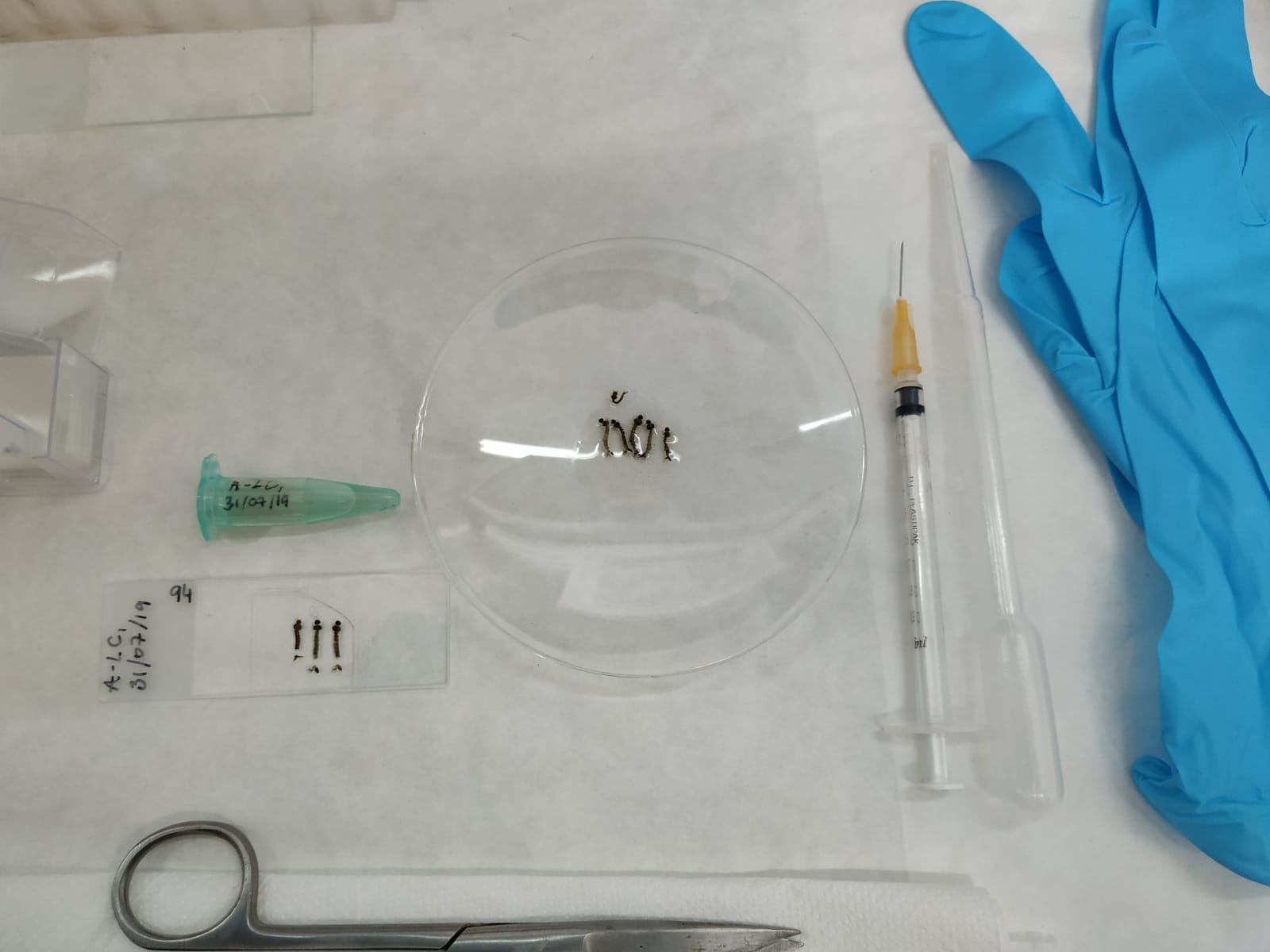
“Technical work on Entomological Surveillance in airports and ports against imported vectors of exotic infectious diseases and surveillance of potential autochthonous vectors of said diseases” co-financed by the Ministry of Health, Consumer Affairs and Social Welfare and the Government of the Canary Islands. The results of said Entomological Surveillance Service The data collected by the medical entomology laboratory are included in an annual report that indicates both the presence or absence of invasive species and those native species detected in the traps located at the established Points of Entry (POE).
As a result of the experience acquired in recent years in the field of entomological surveillance, our laboratory and the University Institute of Tropical Diseases and Public Health of the Canary Islands (IUETSPC), together with the University of La Laguna (ULL) are leading the Interreg MAC 2014-2020 Territorial Cooperation project called “Institutional Cooperation to raise the effectiveness and efficiency of the public health policy linked to the introduction of tropical diseases in Macaronesia” (AEDENET) in cooperation with Cape Verde for the improvement of Entomological Surveillance in both archipelagos and the development of a Preparedness and Response Plan against mosquito-borne diseases in the Canary Islands.
On the other hand, the Entomology Laboratory at IUETSPC conducts research related to the vector capacity of native species that transmit pathogens in our archipelago. One line of research focuses on detecting insecticide-resistant variants in the Anopheles mosquito species that were responsible for malaria transmission in the islands during the last century. This information is crucial for having proactive control tools in the event of outbreaks of diseases transmitted by these vectors.
Regarding the chemical control of culicids and anophelines, the medical entomology laboratory and the Canary Foundation for the Control of Tropical Diseases (FUNCCET) have established since 2017 and currently maintain a collaboration agreement with the company Termobiomasa SL to carry out tests with insecticidal products with various species of mosquito vectors of pathogens.
Since the Canary Islands are endemic for the transmission of canine dirofilariasis, studies have also been developed to characterize the mosquito species responsible for the circulation of this disease.
In the current context, rapid identification of vectors is crucial to prevent the establishment of invasive species of the genus Aedes spp. Therefore, the laboratory has the necessary tools for the molecular identification of mosquito specimens or other arthropod vectors, using molecular markers of proven efficacy (COI, 16S rRNA, ITS). It also maintains a molecular database of resident mosquitoes on the islands, as well as those of doubtful origin and potentially invasive species, allowing for verification of morphological identification when necessary.
Another line of research at the Medical Entomology Laboratory focuses on the study of arbovirus circulation in vectors and hosts. Following the transfer of methodology from the Arbovirus and Imported Viral Diseases Unit of the Carlos III Health Institute, the national reference laboratory, the laboratory is equipped to detect arboviruses of the Flavivirus, Alphavirus, and Phlebovirus genera. Studies initiated in this area have focused, on the one hand, on the search for arboviruses in mosquitoes, having analyzed 15,000 mosquitoes grouped into 729 pools to date, and on the other hand, on the study of neurological conditions in humans, with a total of 378 samples analyzed. The results of this study form part of the ongoing doctoral thesis entitled “Emerging Tropical Diseases in the Canary Islands: A Study of Arbovirus Circulation in Mosquitoes.”
Finally, our laboratory also studies other arthropod vectors, such as sand flies, which are responsible for transmitting diseases caused by bacteria of the genus Bartonella, viruses of the genera Phlebovirus, Vesiculovirus, and Orbivirus, and parasitic protozoa of the genus Leishmania. Regarding the emergence and re-emergence of these pathogens in Europe, the phleboviruses Naples virus (SFNV), Sicilian virus (SFSV), and Toscana virus (TOSV), and the parasite Leishmania infantum, stand out due to their increased incidence and distribution range, while the vesiculovirus Chandipura is noteworthy for the risk of its introduction to the continent.
Staff list:
| NAME | LINKAGE |
| Antonio del Castillo Remiro | Full Professor at the University of La Laguna in the Area of Parasitology |
| Carolina Fernández Serafín | Predoctoral Researcher in the Area of Parasitology |
| Sara Rodríguez Camacho | Predoctoral Researcher in the Area of Parasitology |
| Irene Serafín Pérez | Predoctoral Researcher in the Area of Parasitology |
Laboratory name:
Water and Environment Laboratory
Lines of research
- Biological water quality control
- Aeromicrobiology. Study of airborne microorganisms
Information about the line of research
Within the water quality control area, a services division has been developed, targeting private and public entities, given the extensive experience in the fields of parasitology and microbiology. In the research area, the company collaborates with the group led by Dr. Luisa Mª Vera Peña, from the Department of Chemical Engineering and Pharmaceutical Technology, on various nationally and regionally funded projects aimed at improving the quality of reclaimed water, reducing its environmental impact, and increasing resource reuse.
Research in the field of Aeromicrobiology has always gone hand in hand with the GOTA research group of the ULL, led by Professor Juan Pedro Díaz González, with whom we have participated in 3 projects in the last decade, focused on knowing the microbiological composition of the air in the Canary Islands and studying the impact of environmental factors, especially Saharan air intrusions.
Within this framework, other collaborations have been established. At the national level, with Drs. Ángeles Aguilera Bazán and Elena González Toril, from the Center for Astrobiology of Madrid (CAB-INTA), with whom we are working on a project within the national plan for the microbiological analysis of air in arid environments, analogous to those found on the planet Mars.
Also at the international level, since 2016, we have participated in two NASA-funded projects. One of them, led by Dr. Andrew C. Schuerger of the University of Florida, laid the groundwork for studying the influence of Saharan and Asian air intrusions on U.S. ecosystems and served as the platform for a new NASA project call. In this latest call, we are participating in a project led by Dr. Hosein Foroutan of Virginia Tech, designed to study the airborne transport capacity of microorganisms within the dust clouds generated in the Sahara Desert.
Updated list of staff and their type of employment.
Dr. Cristina González Martín. Head of the Water and Environment Laboratory. FGULL Contractor.
Mr. Jonathan Martín Armas. Laboratory Technician. FGULL Contractor.
Services
WATER AND ENVIRONMENTAL LABORATORY SERVICES
- Detection and enumeration of indicator bacteria by culture (fecal coliforms, E. coli, intestinal enterococci, Pseudomonas spp., Clostridium perfringens, etc.)
- Detection and identification of pathogenic bacteria (Legionella, Salmonella, Campylobacter, Vibrio, etc.) through culture and biochemical tests
- Detection and identification of bacteria using molecular biology
- Analysis of dispersal patterns of intestinal parasitic helminths in water samples
- Analysis of dispersal patterns of intestinal parasitic protozoa in water samples (regenerated, purified) using direct immunofluorescence
- Analysis of dispersal methods of intestinal parasitic protozoa in water samples (reclaimed, purified, drinking water, swimming pool, etc.) using molecular biology
- Analysis of bacteriophage viruses using double-layer culture
- Analysis of bacteriophage viruses using molecular biology
- Detection and enumeration of human intestinal viruses (Rotavirus, Enterovirus, Adenovirus, etc.) in clean water samples (swimming pools, drinking water) by concentration in positive charge filters and molecular biology
- Analysis of the SARS-CoV-2 virus in wastewater according to the MITECO protocol
- Analysis of fungi and yeasts by plate count
- Analysis of fungi using molecular biology
NOTE: We perform on-site sampling. If you are interested in any of these services, or would like to inquire about other services not listed here, please do not hesitate to contact the laboratory.
Water and Environment Laboratory
Email: iuetspc.laboratoriodeaguas@gmail.com
Phone: 922 316502 ext. 6112