
The Experimental Garden with Native Plants of Tenerife
A sustainable space for the study of Canary Island flora from an ornamental point of view at the University of La Laguna
Native flora
Interest in using native flora in gardening is not new or exclusive to our archipelago; it is a global trend in the sustainable design of green spaces.
Native species, being established in the place, generally have adaptive advantages over foreign plants and do not need as many resources (water, fertilizers or pesticides) for their development.
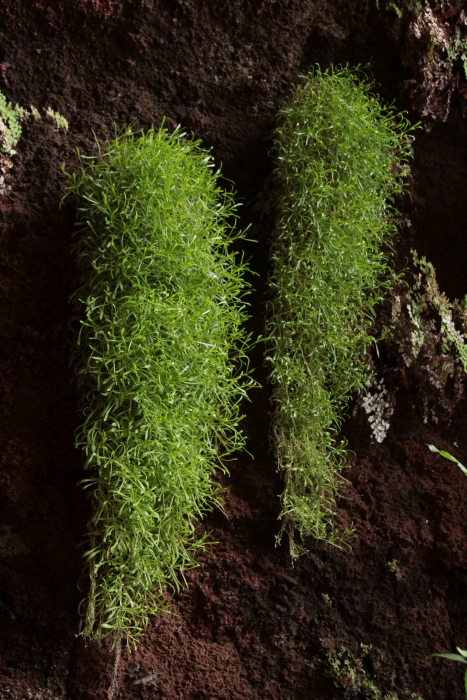
The Canary Islands archipelago is recognized in the scientific community for its high biodiversity relative to its size, and also for its high rate of endemism. This presents a fantastic opportunity to utilize the rich plant heritage in the creation or renovation of the islands' gardens. However, the aesthetic potential of many species has not yet been sufficiently explored.
In this context, the Experimental Garden with Native Plants of Tenerife was created, a sustainable space for the study of the Canary flora from an ornamental point of view at the University of La Laguna.
Nature, aesthetics, science, education and sustainability define this multidisciplinary project built with few resources, but with great enthusiasm, for the enjoyment of the university community.
The Project in Summary

The facilities of the project located in the Agricultural Engineering Section of the Higher Polytechnic School of Engineering, consist of a 1200 m² garden, 75 meters of planters and a plant production area.
Heir to the garden created by Professor Eduardo Barquín more than three decades ago, the garden works with different botanical species, observing their behavior under varying environmental conditions. Managed sustainably, locally sourced materials are reused, and the suitability of the species is considered when designing the plant compositions. Rational maintenance and proper management of organic matter are also implemented.
Engineering students complete practical exercises and familiarize themselves with the plants, which are identified with informational signs. Furthermore, the garden provides the necessary plant material for conducting experimental work or propagating specimens for self-sufficiency. To ensure these activities do not cause environmental problems, appropriate management guidelines have been established for selecting and handling the species under study.
The garden is open to the general public and is regularly visited by groups of schoolchildren from local schools.
