The Experimental Garden with Native Plants of Tenerife
A sustainable space for the study of Canary Island flora from an ornamental point of view at the University of La Laguna
Maintenance
The Experimental Garden is not conceived as a wild space. It is a planned garden with a defined design. The signage and built elements such as ponds, walls, stairs, and benches must be preserved. As it is a living space in constant evolution, it requires certain maintenance to keep the paths and borders in place, to maintain the balance of the plant compositions, and to manage the plant debris that is constantly generated.
Soil care
In sustainable farming, the basis of fertility lies in the soil itself, not in the addition of synthetic fertilizers.
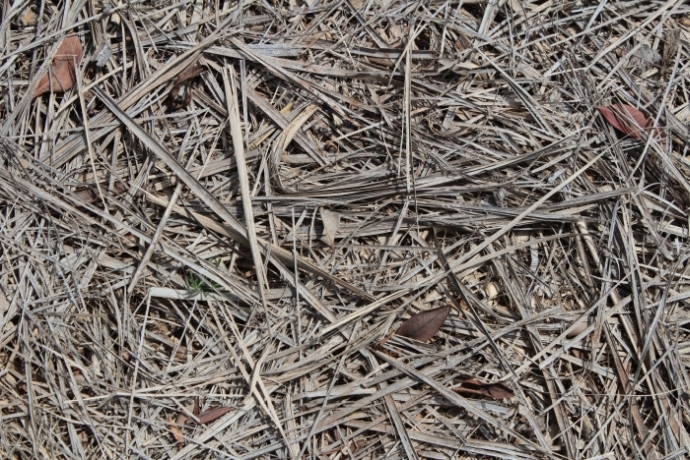
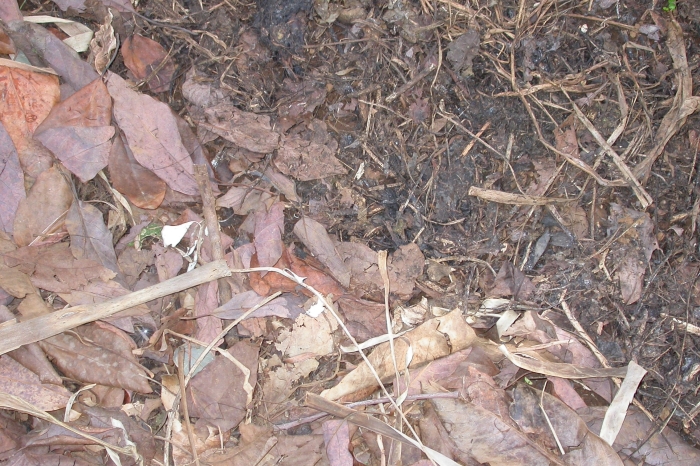
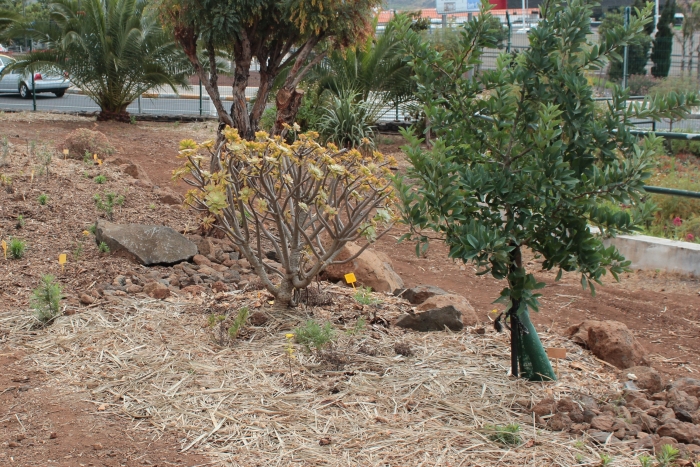
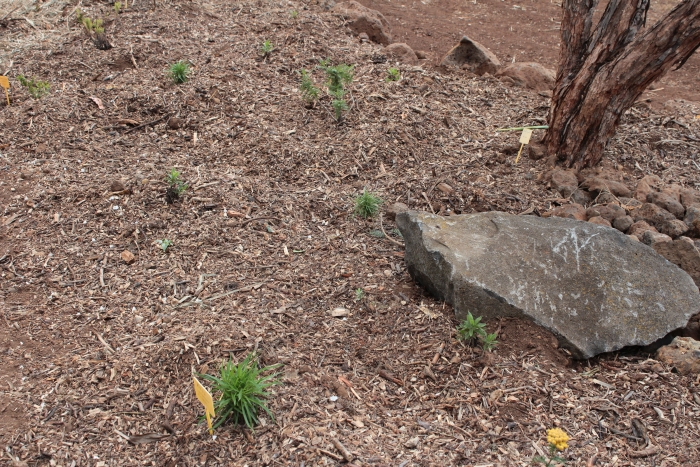
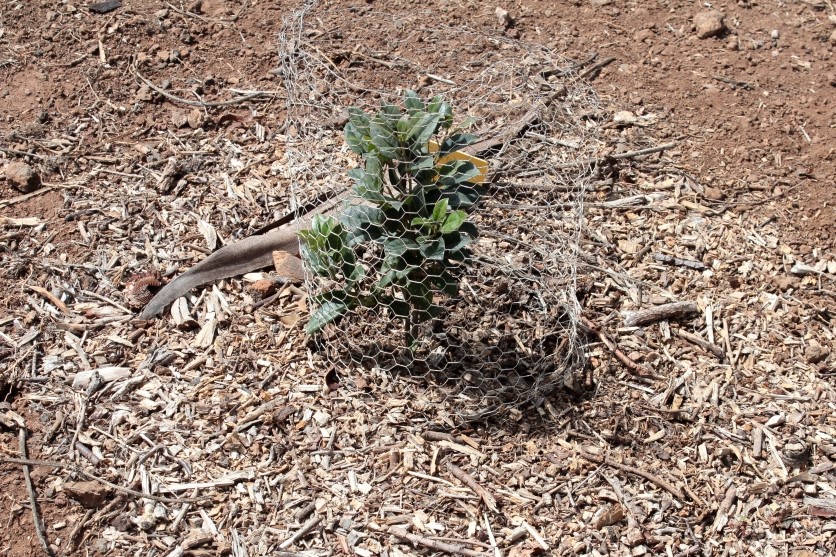
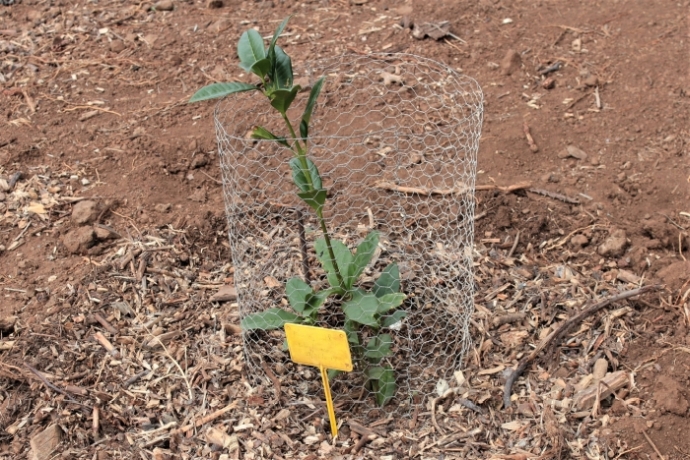
The soil is considered a living, complex entity with its own evolution and equilibrium. No tilling is done; only periodic surface applications of shredded organic matter, primarily from the garden's own vegetation: pruning debris, leaves, dead branches, grass clippings, etc. This mimics natural cycles. This process is known as 'mulching'.
Soil care
In sustainable farming, the basis of fertility lies in the soil itself, not in the addition of synthetic fertilizers.
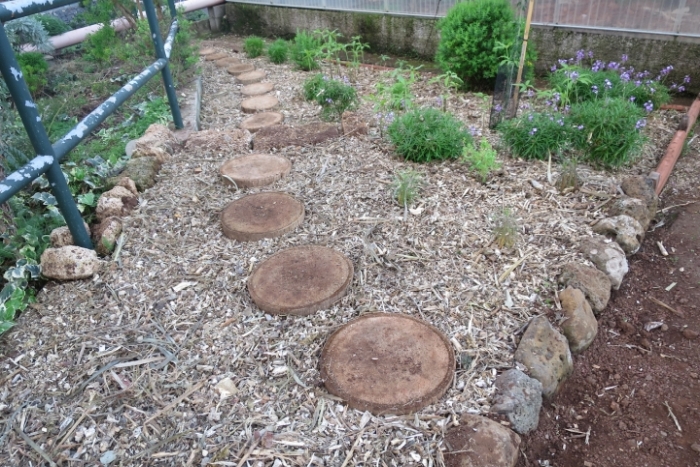
The soil is considered a living, complex entity with its own evolution and equilibrium. No tilling is done; only periodic surface applications of shredded organic matter, primarily from the garden's own vegetation: pruning debris, leaves, dead branches, grass clippings, etc. This mimics natural cycles. This process is known as 'mulching'.
Plant management
In the Experimental Garden, all plants fulfill their function, even those considered 'weeds'.
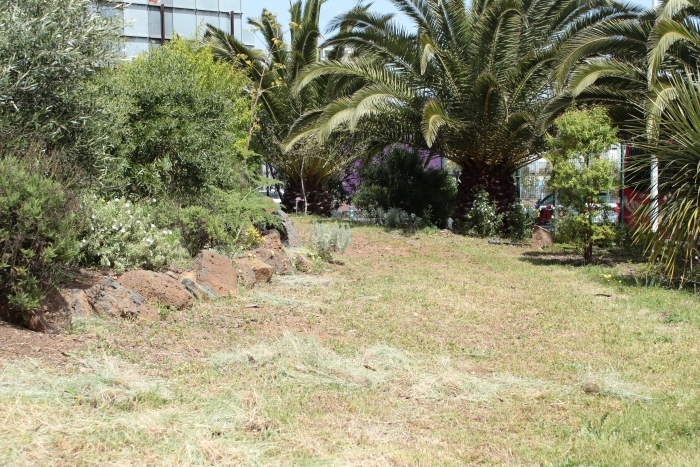
Weeds along the paths are cut to form natural meadows, and those that germinate among the young plantings are pulled up and left on the surface as part of the mulch.
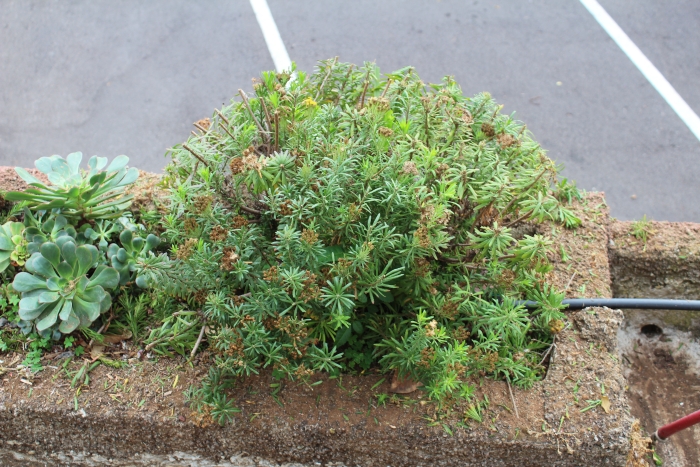
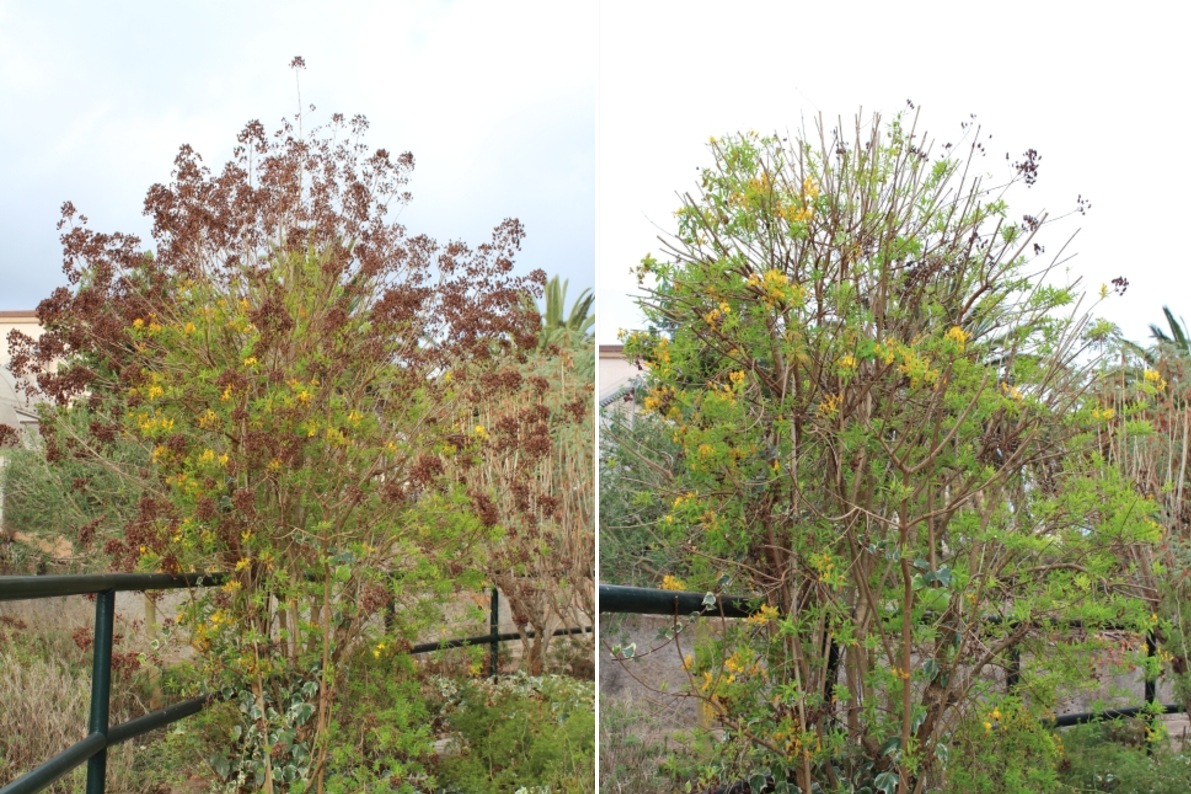
The plants in the various arrangements sometimes grow larger than expected. When this happens, thinning and reduction pruning are usually carried out, adjusting the planting layouts in subsequent replanting. Light pruning is also done to remove spent flowers or balance the foliage.
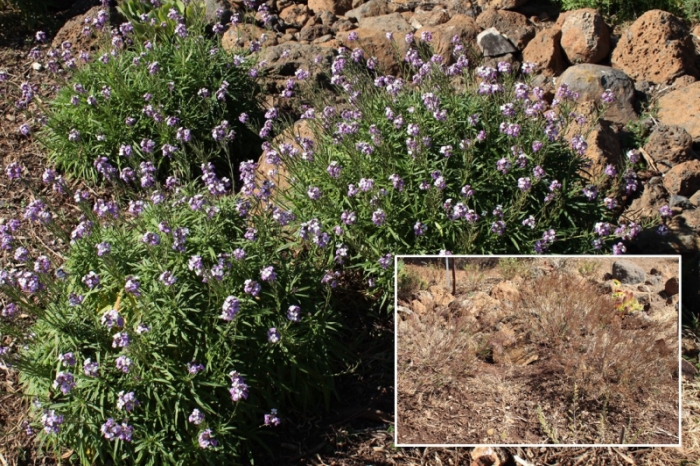
Some species, such as the wallflower (Erysimum virescens), have a short natural cycle, requiring the replacement of specimens every two or three years.
There are also individuals that age and lose their appeal or deteriorate due to adverse weather conditions and must be replaced with younger ones. Sometimes the species does not adapt well to the location, and the plants grow weak, making them prone to pests and diseases. In this case, it is replaced with another species considered more tolerant.

Management of plant waste
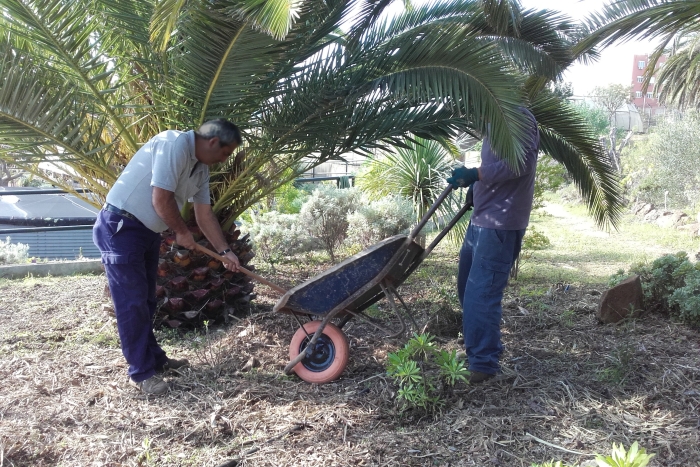
Just as in the natural environment, dry leaves and inflorescences, dead branches and other plant remains must be returned to the soil to close the organic matter cycle.
Larger elements are removed and shredded mechanically before being returned to the soil to form a uniform covering. This ensures a certain aesthetic quality in the overall design and provides a contrasting background for the vegetation.