The Experimental Garden with Native Plants of Tenerife
A sustainable space for the study of Canary Island flora from an ornamental point of view at the University of La Laguna
Biodiversity
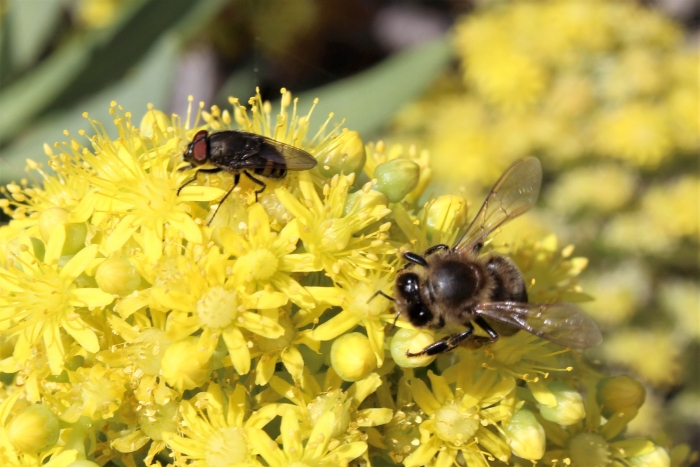
The experimental garden has established itself as a true hub of plant biodiversity. This unassuming space is home to more than 100 plant species native to the island.
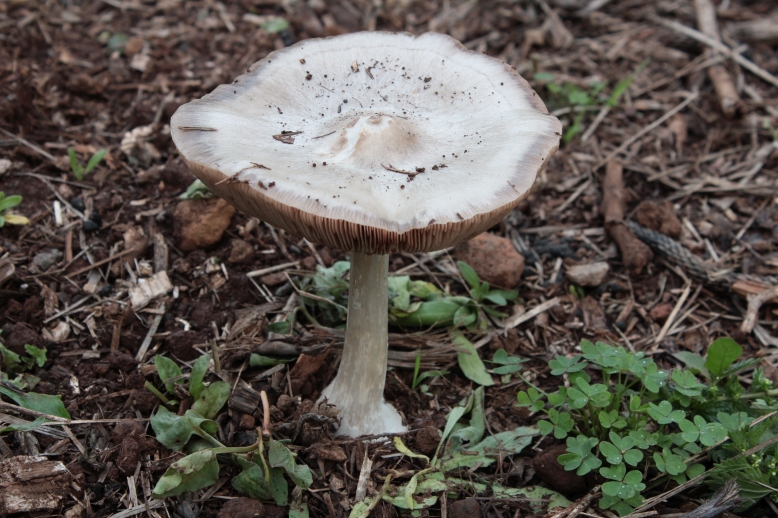
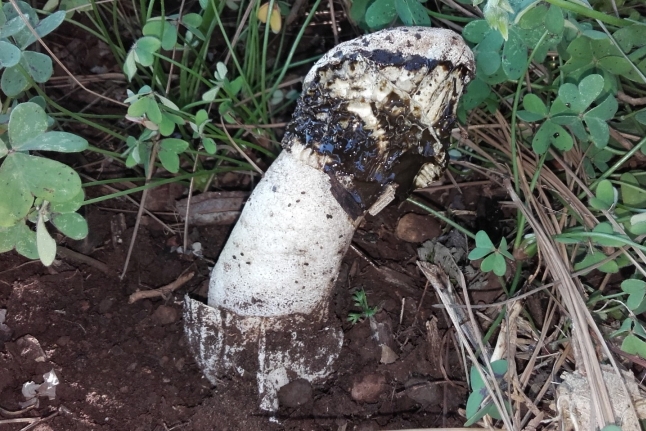
With the first autumn rains, many of them awaken from their summer dormancy. As the air becomes more humid and cooler, an interesting array of fungi joins the vascular plants.
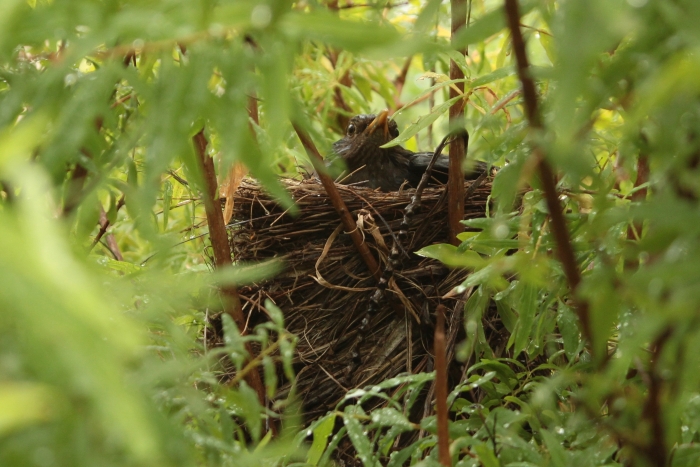
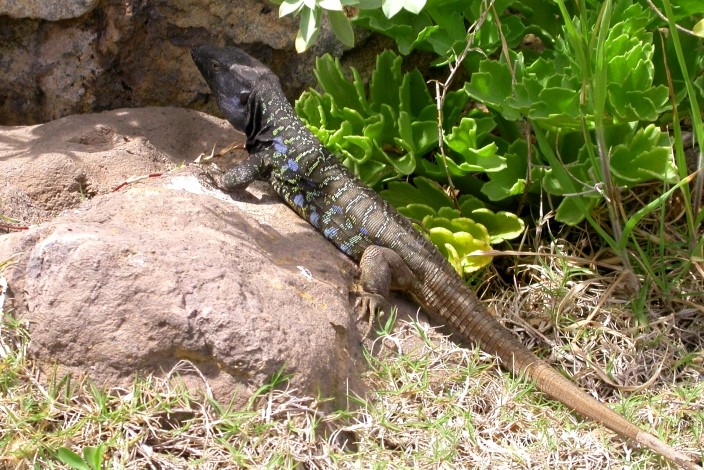
In the garden, you can also observe various species of vertebrate fauna, such as the Tenerife skink (Chalcides viridanus), the Tenerife lizard (Gallotia galloti), and numerous birds. It's easy to spot the Canary Island kestrel (Falco tinnunculus canariensis) stalking the chicks of the Canary Island blackbird (Turdus merula cabrerae), a species that nests in the garden, as does the Canary Island chiffchaff (Phylloscopus sp.). It's also not uncommon to see blue tits (Cyanistes teneriffae), woodcocks (Motacilla cinerea), canaries (Serinus canarius), serins (Serinus serinus), the occasional blackcap (Sylvia atricapilla heineken), or European robin (Erithacus rubecula), and even the skittish Barbary partridges (Alectoris barbara) darting about at dawn or dusk.
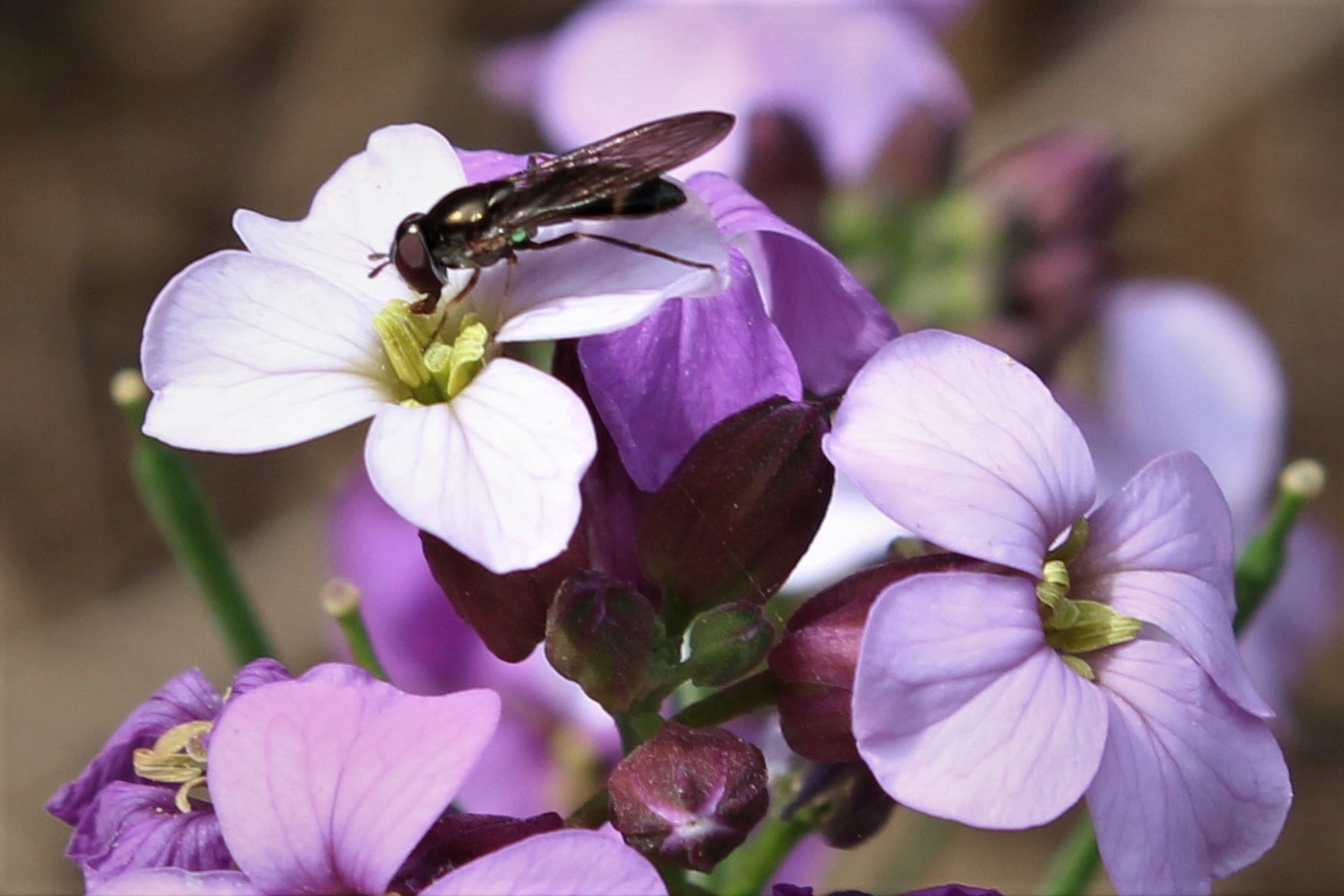
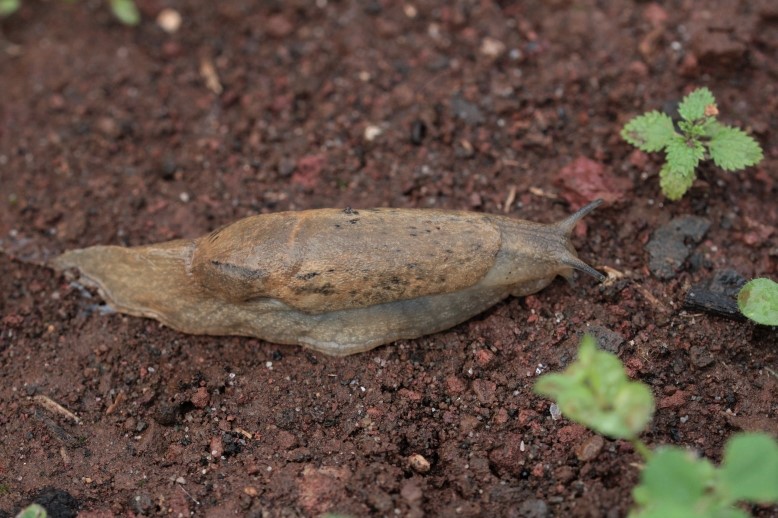
Among the invertebrates, in addition to multiple species of insects and arachnids, the presence of the giant slug of Tenerife (Drusia tenerifensis) stands out, a local endemic of La Laguna in danger of extinction.