
The Experimental Garden with Native Plants of Tenerife
A sustainable space for the study of Canary Island flora from an ornamental point of view at the University of La Laguna
Species management
Canary Island species around the world
The use of plants from the Canary Islands flora in gardens has been practiced for a long time in different regions of the world.
Some species were cultivated in prestigious European gardens long before they were cultivated in the archipelago itself, thanks to the value given to our flora by the numerous scientific travelers who were interested in the nature of our islands in past centuries.

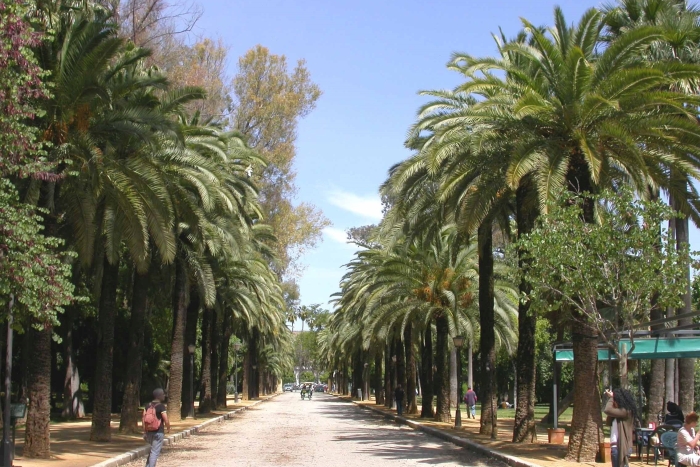
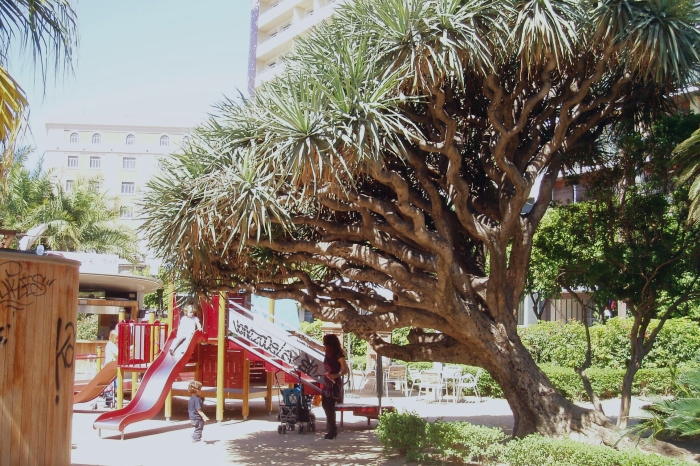
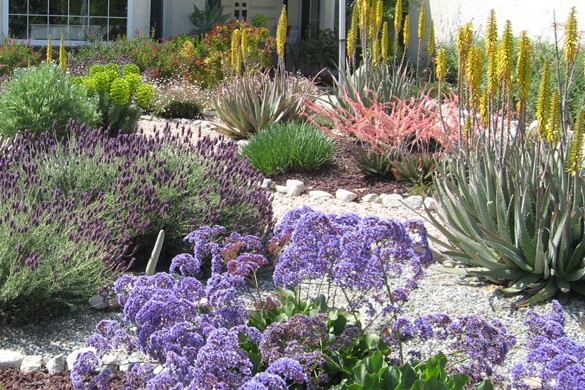
Today, like so many other activities, gardening is affected by globalization, with the same ornamental species being sold on all five continents. The flora of the Canary Islands is no exception to this phenomenon, as it is highly valued for its uniqueness and aesthetic appeal.
Canary Island date palms and dragon trees are common in avenues, parks, and gardens in many countries, but this phenomenon also affects other species. Today, for example, it's possible to find Echium pinana (a type of tajinaste endemic to La Palma) in gardens in southern England or Australia, Perez's sea lavender (Limonium perezii) on the coast of California or in Israel, and various species of bejeque (a type of shrub) on the South Island of New Zealand. Unfortunately, some of these have become truly invasive, causing serious environmental problems.
An activity not without risks
Planting native species in island gardens is nothing new. Palm trees and dragon trees have graced countless public and private spaces for centuries.
Both in private gardens and in humble single-story houses, everlastings (Limonium spp.), bejeques (Aeonium spp.) and tears of the Virgin (Pancratium canariense) were cultivated from ancient times.
The more widespread introduction of native flora into the islands' green spaces began at the end of the last century. Advances in scientific knowledge regarding the biology, distribution, and genetics of species highlighted the risks this practice could entail. The presence of numerous island and local endemic species, with very small natural distribution areas, along with the significant genetic variability among populations of the same species, raised serious concerns. The risk of hybridization due to coexistence between species of certain susceptible genera, or the genetic contamination of natural populations through cross-pollination with plants cultivated in gardens, necessitated the implementation of much stricter regulations governing this activity.

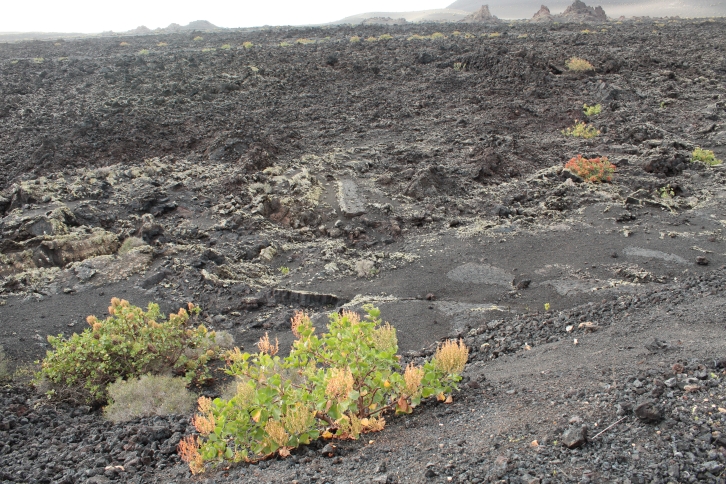


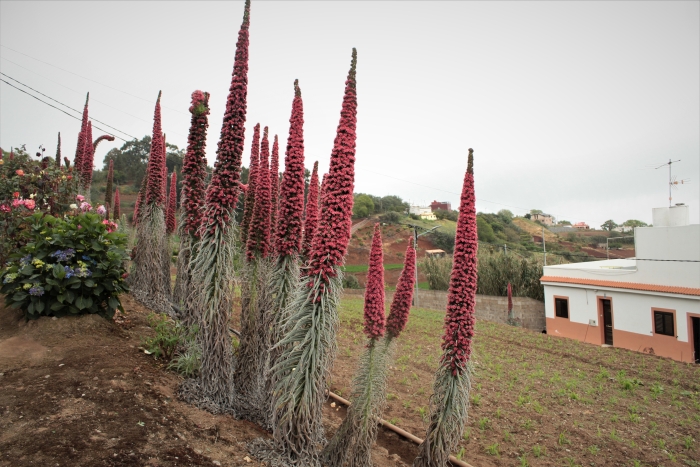
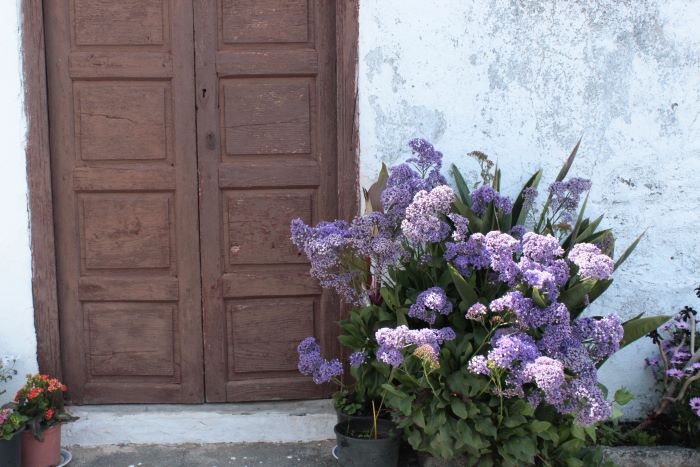

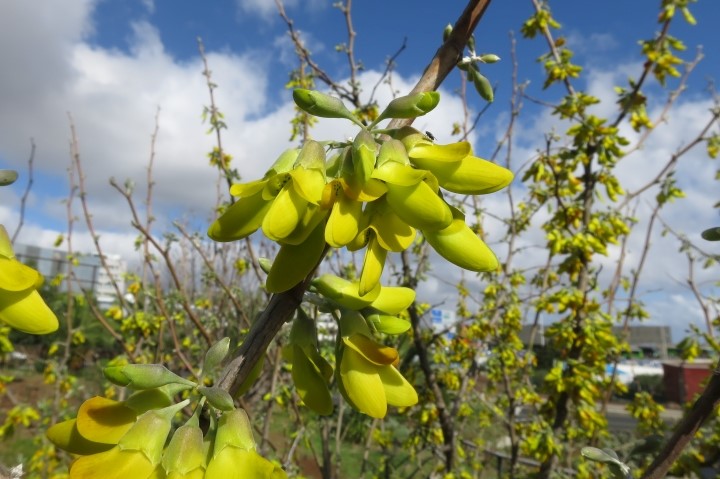
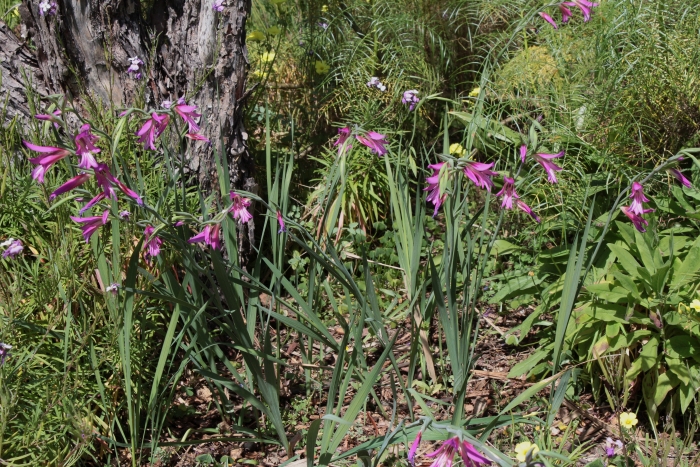
Species management
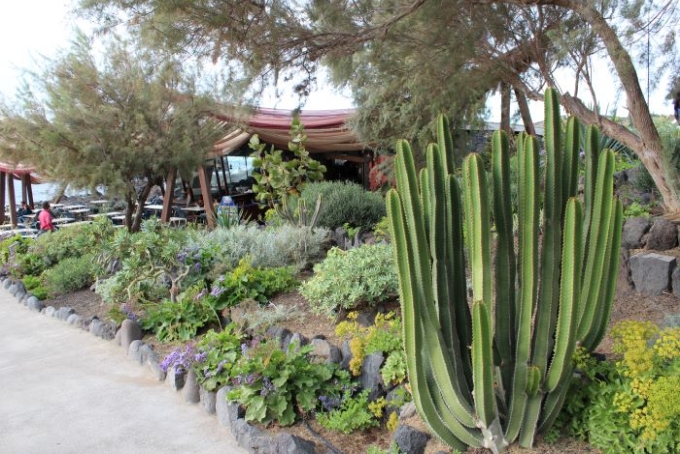
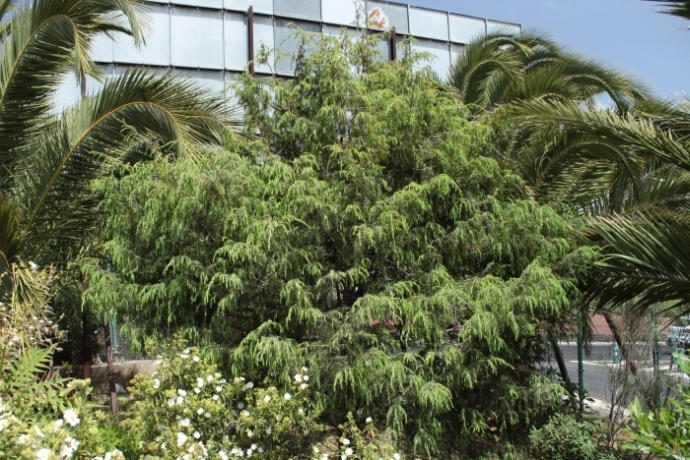
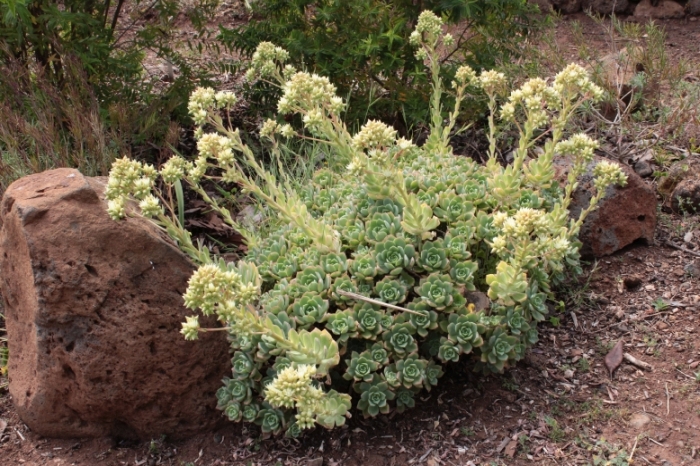
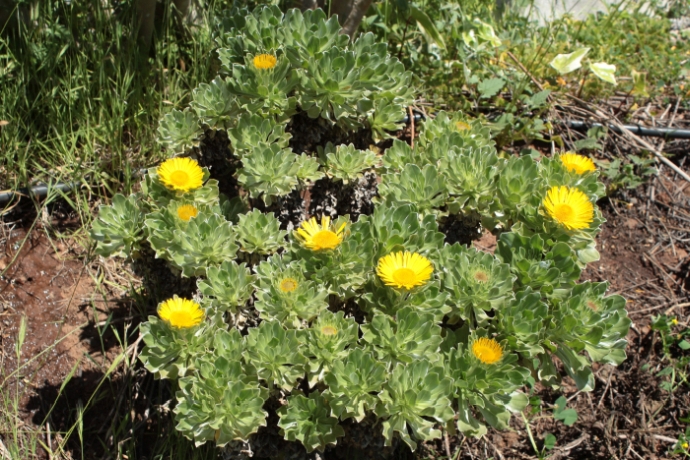
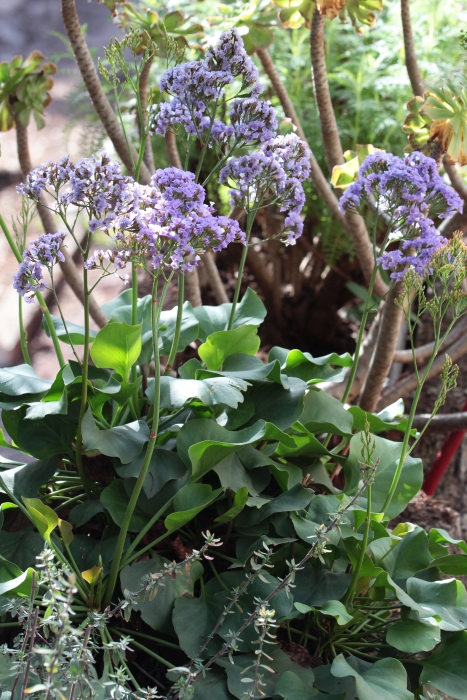
The choice of species used is based on three main criteria: their adaptability to the environmental conditions of the place, the absence of environmental risks generated by their presence, and their estimated ornamental potential.
However, the plant heritage of the Experimental Garden with Native Plants of Tenerife partly originates from the former garden of Canarian plants. Many specimens of species now protected, such as the rockrose (Anagyris latifolia), have fortunately been preserved. Nevertheless, in accordance with the criteria established by environmental institutions, it was decided to eliminate all taxa (species or subspecies) from other islands, working only with plants native to Tenerife. The introduction or conservation of local endemic species from areas far from La Laguna, belonging to genera prone to hybridization, was also abandoned.