Government Pavilion, C/ Padre Herrera s/n
P.O. Box 456
38200, San Cristóbal de La Laguna
Santa Cruz de Tenerife - Spain
Switchboard Tel.: (+34) 922 31 90 00
Hours: Mon-Fri, 8:00 a.m. to 9:00 p.m.

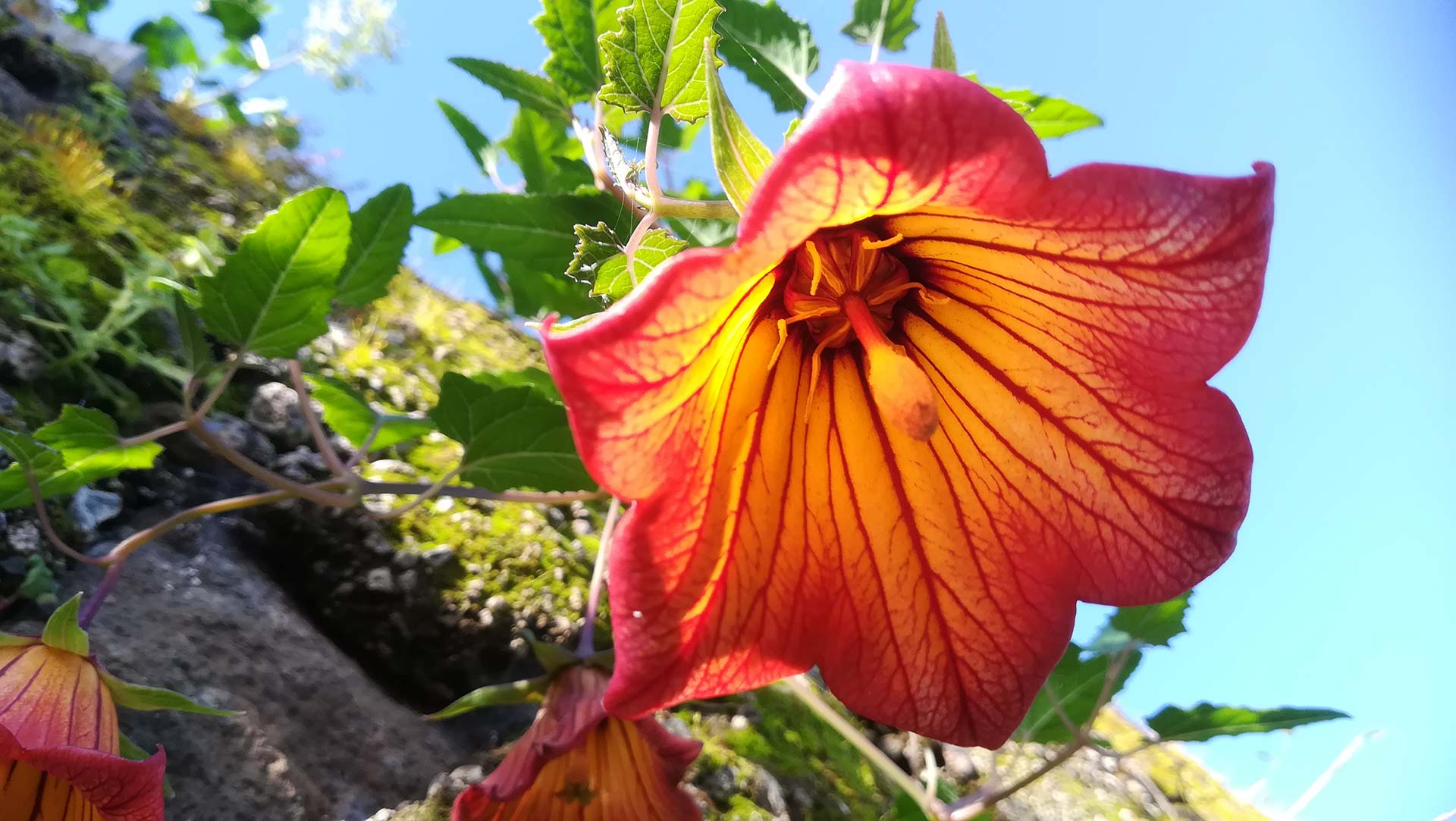
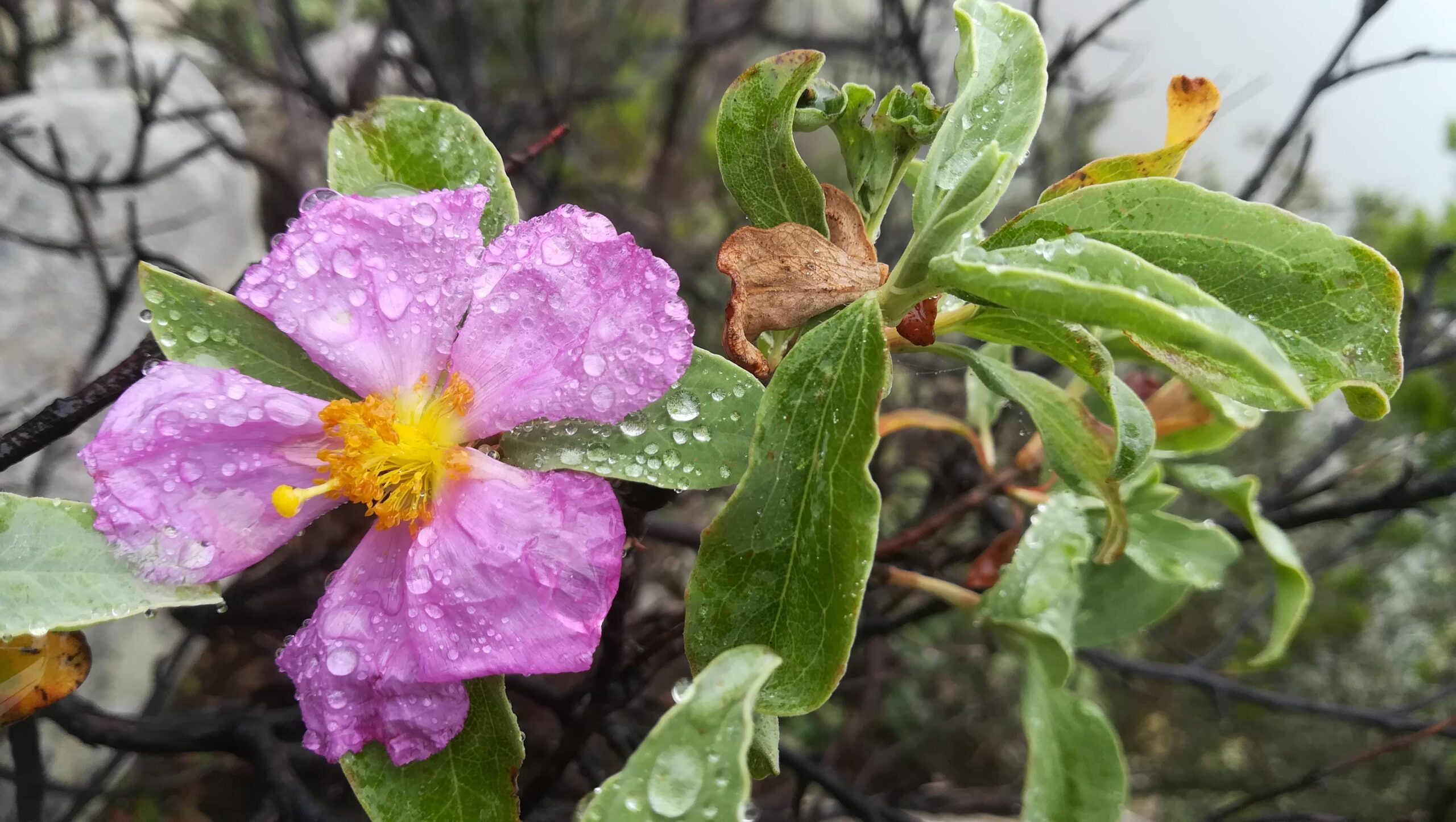

The Parks and Gardens Department of the University of La Laguna creates green spaces that are as natural as possible and with minimal human impact. This completes the natural life cycle within the space and gives maximum value to all elements, from the smallest and most invisible components of the soil to the largest and most visible, such as a large tree, ensuring that all elements are given equal importance.
In this case, the natural vegetation of the island of Tenerife has been used.
At the Canary Islands Vegetation Zones Interpretation Table, which explains the origin and formation of the Canary Islands, and specifically the process of colonization and evolution of plants in the Canary Islands, the six different types of vegetation zones existing in the archipelago have been described.
For hundreds of years, naturalists at one time and scientists of different specialties at another, have visited the Canary Islands, turning the islands into a natural laboratory.
This Central Park It becomes a different gardening model, in which the least possible human intervention becomes a premise of this space.
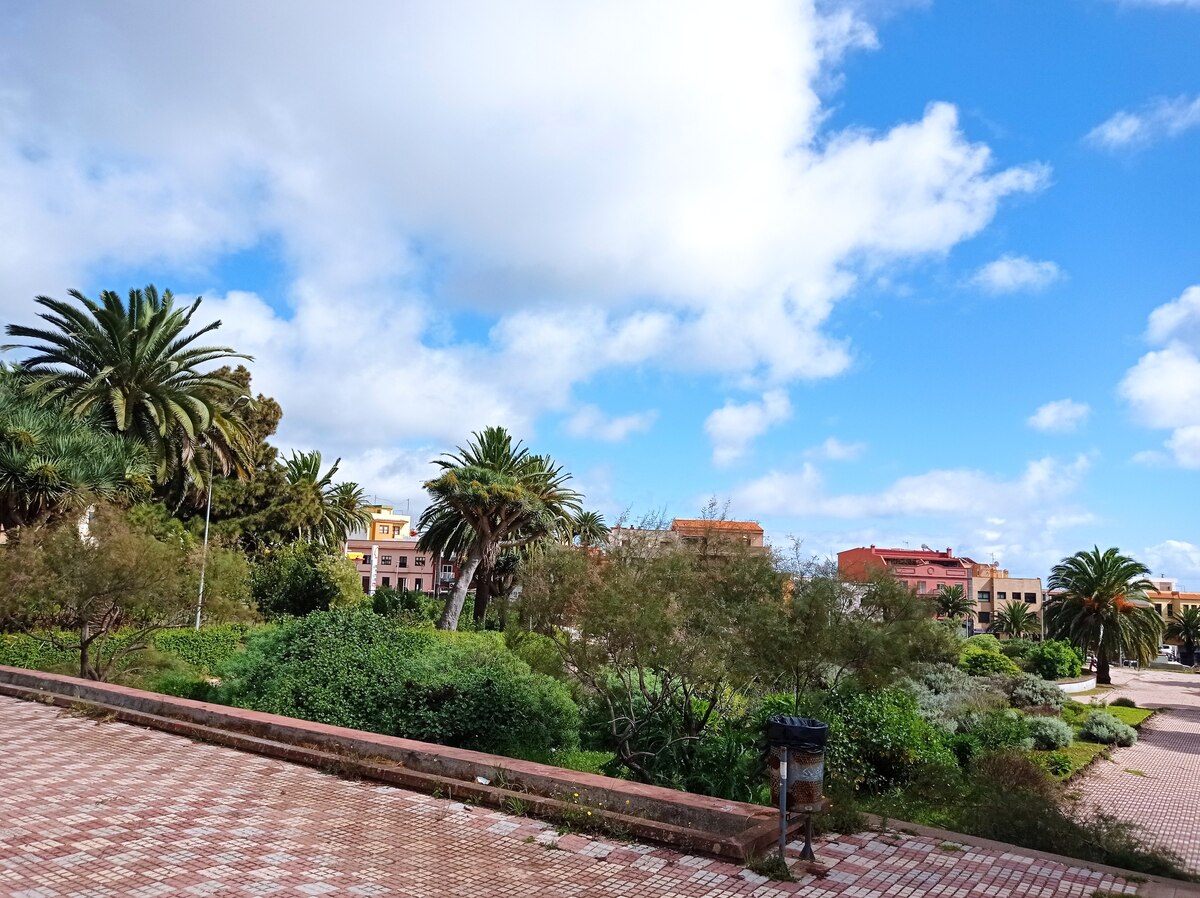
Zone 1: Tabaibal Cardonal
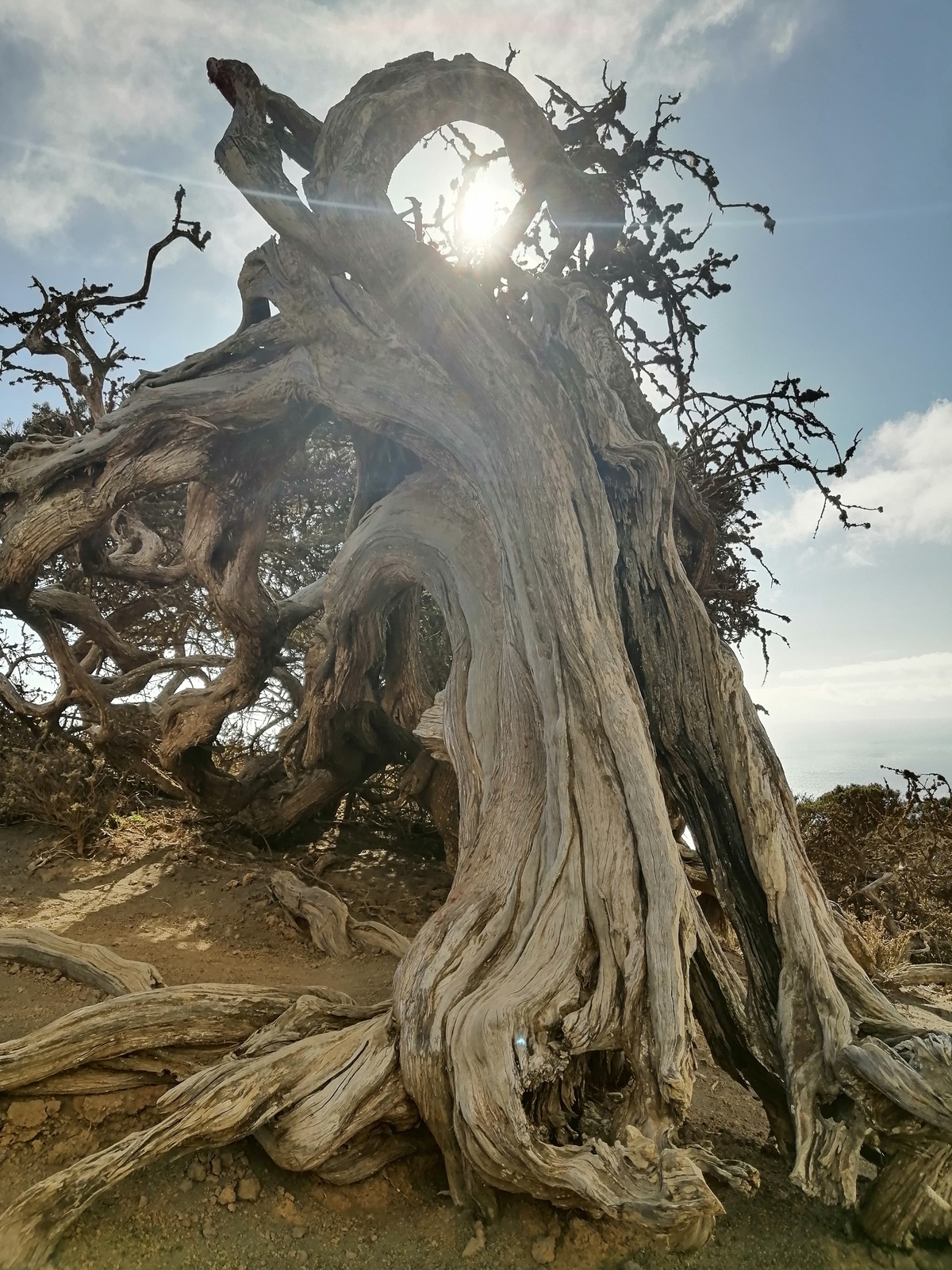
Zone 2: Sabinar Thermosclerophyllous Floor
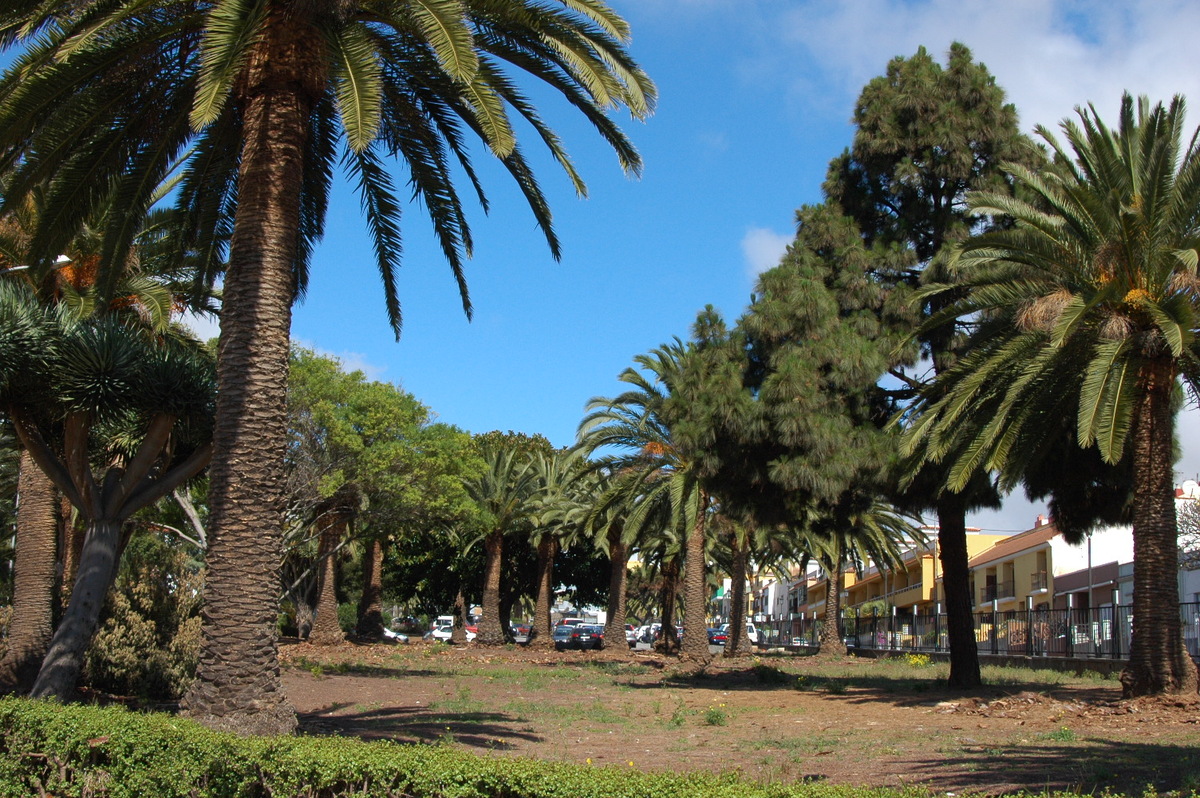
Zone 3: Thermosclerophyllous Mixed Forest Floor
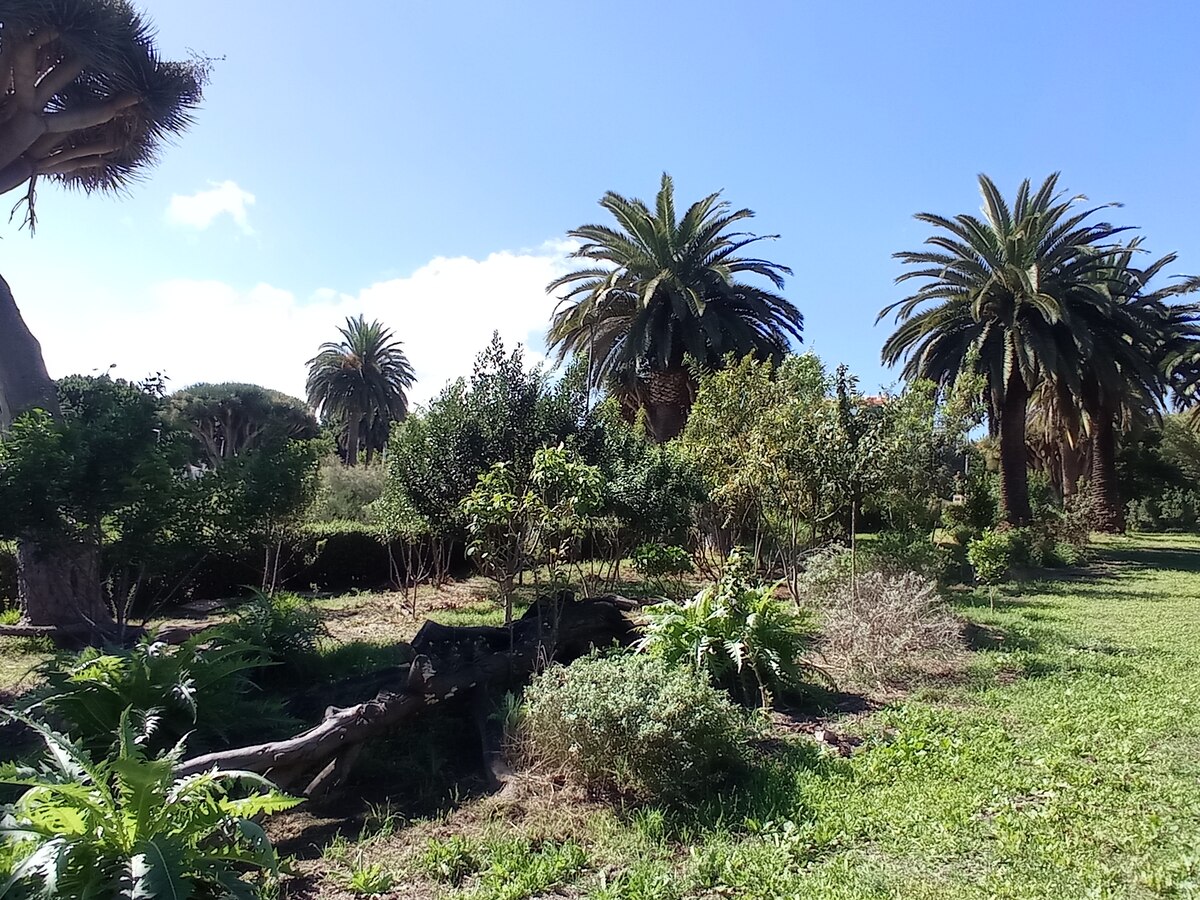
Zone 4: Sauceda Barranco Thermosclerophilic Floor
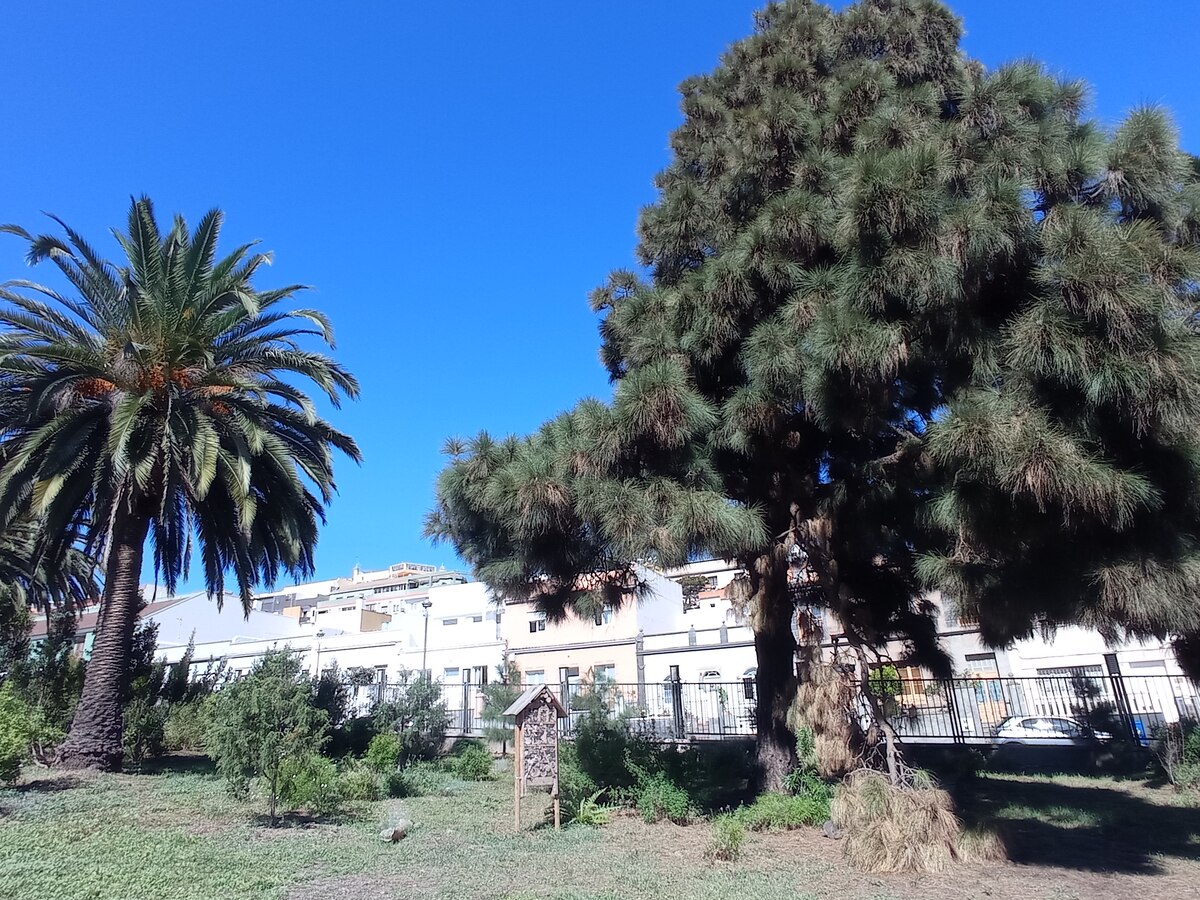
Zone 5: Pine Tree Floor
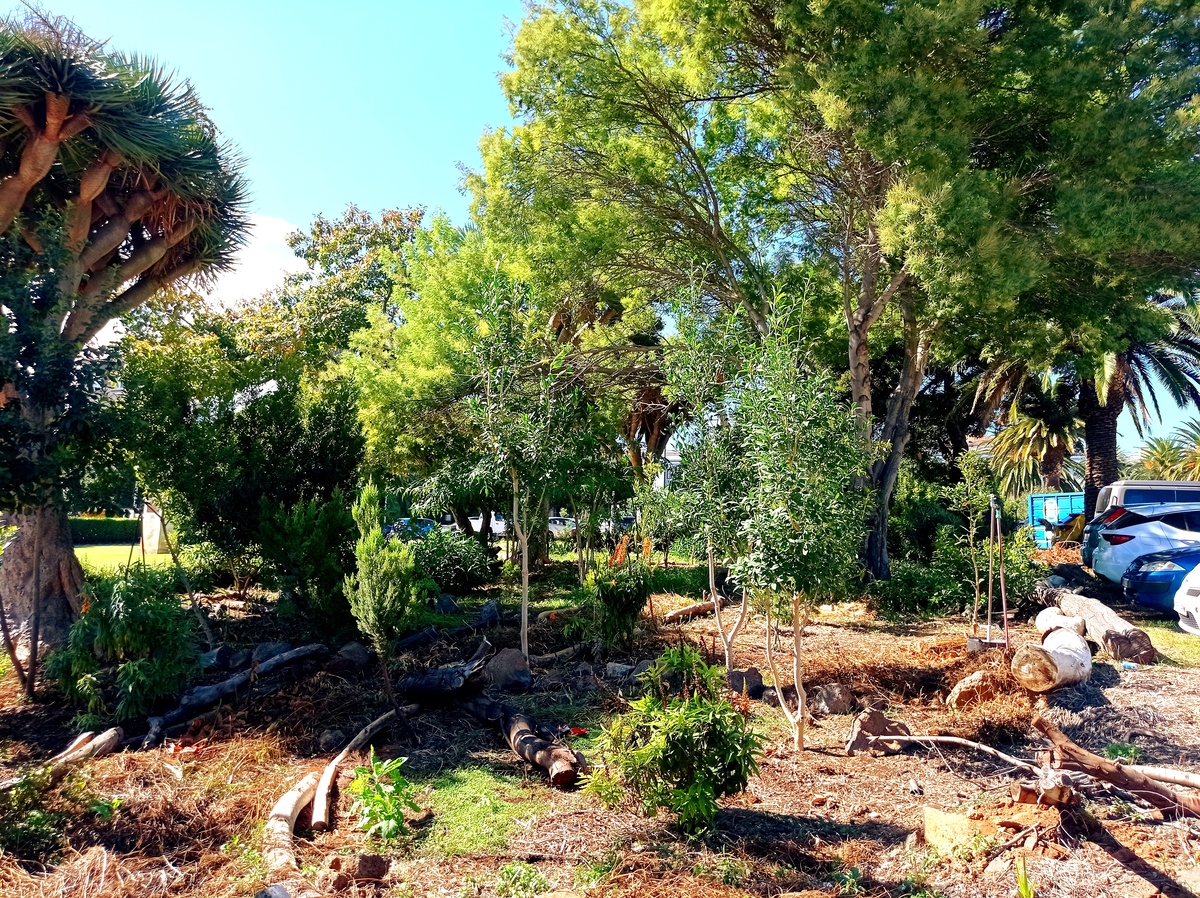
Zone 6: Monte Verde Floor
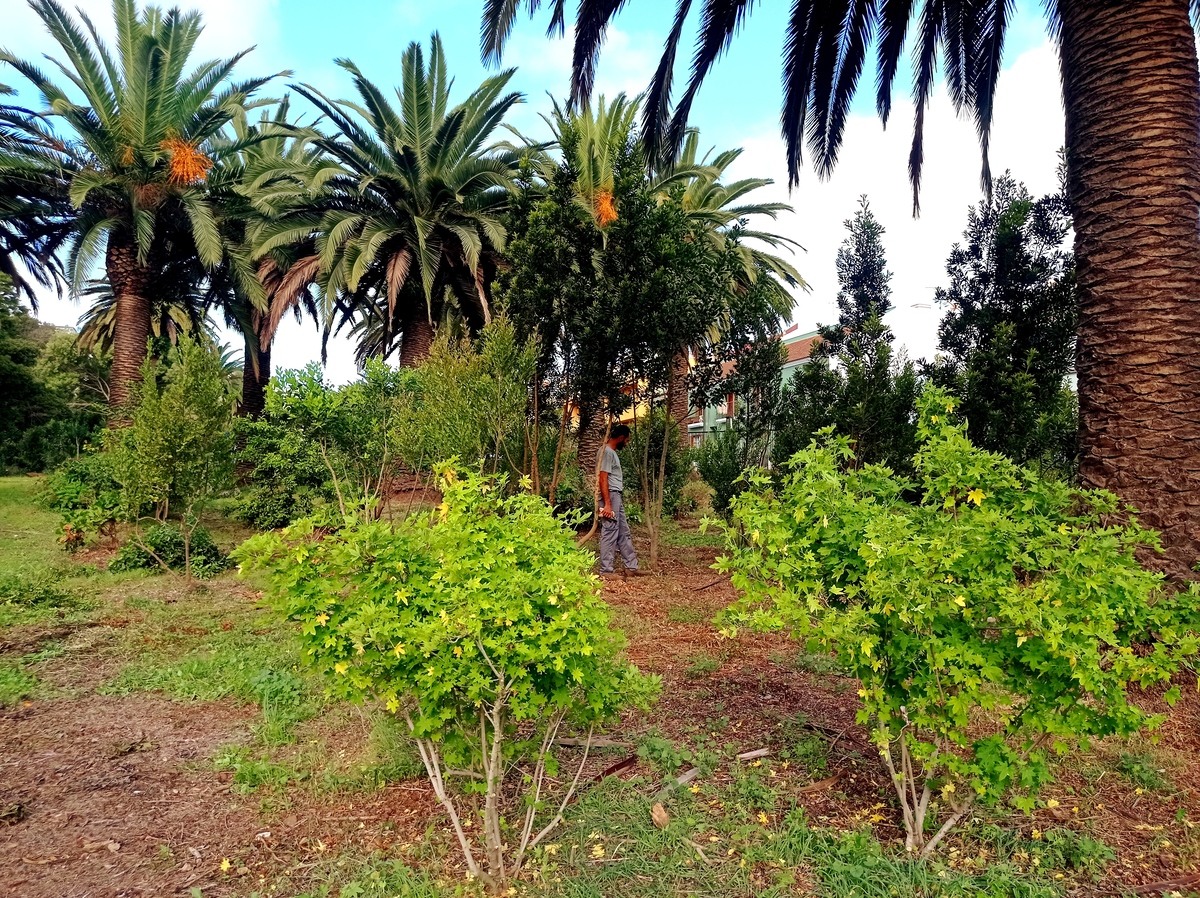
Zone 7: Thermosclerophyllous Floor Transition to Monte Verde
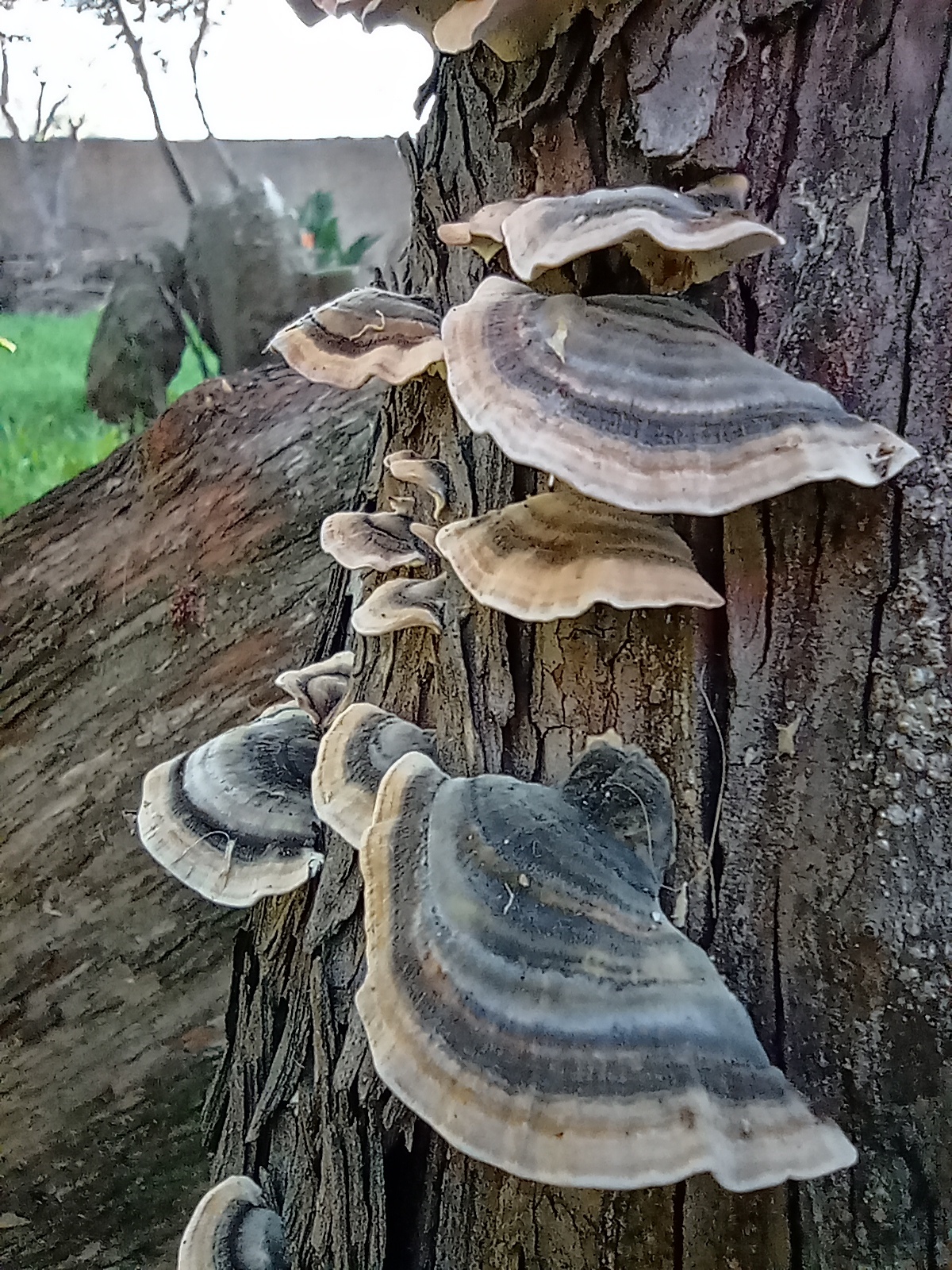
Zone 8: Use of organic waste
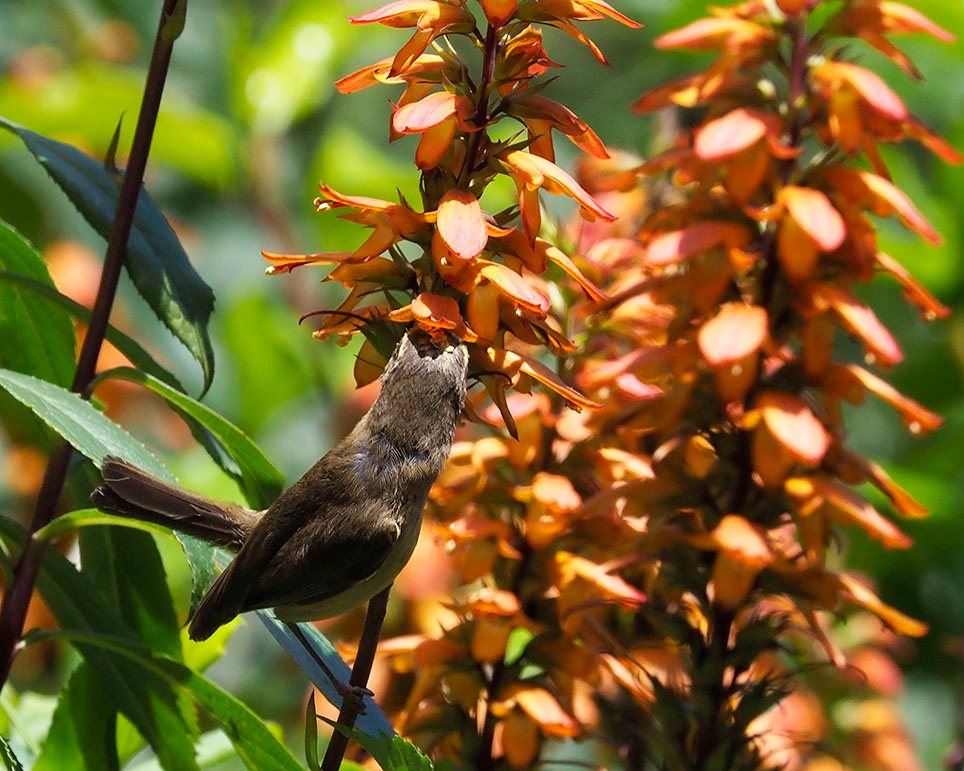
Zone 9: Ornithophilous Garden Zone
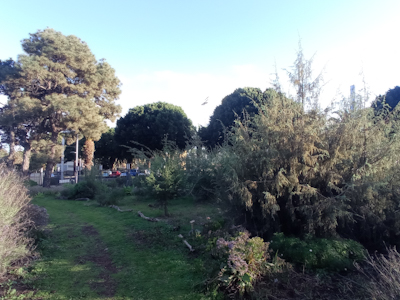
Zone 10: Summit Scrubland Floor
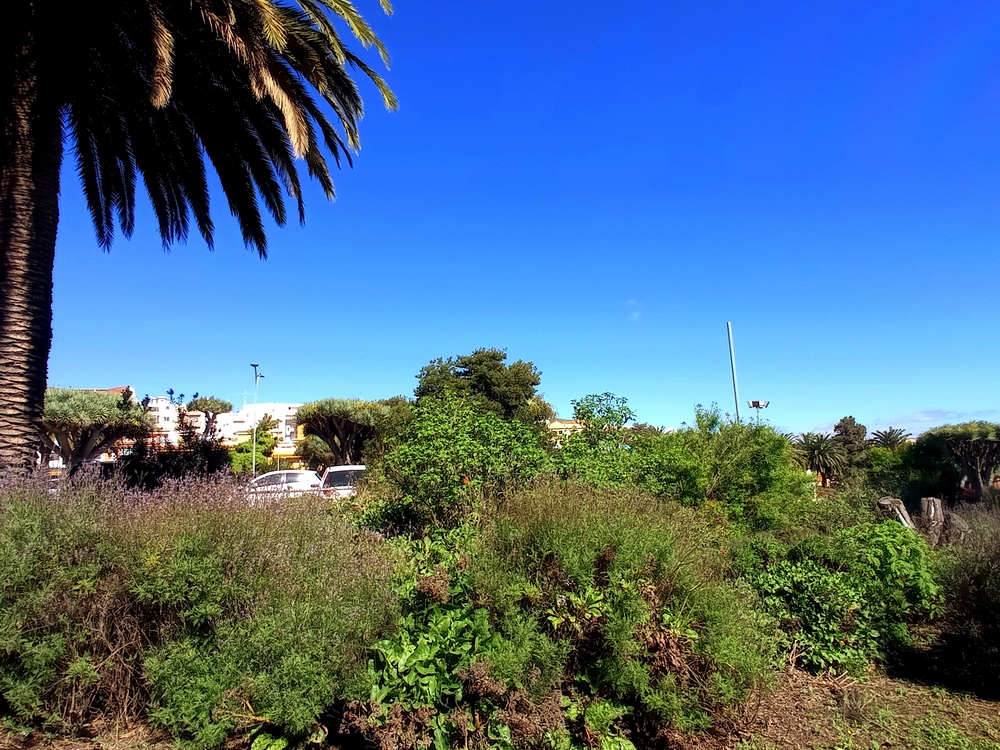
Zone 11: Mixed Thermosclerophilic Floor
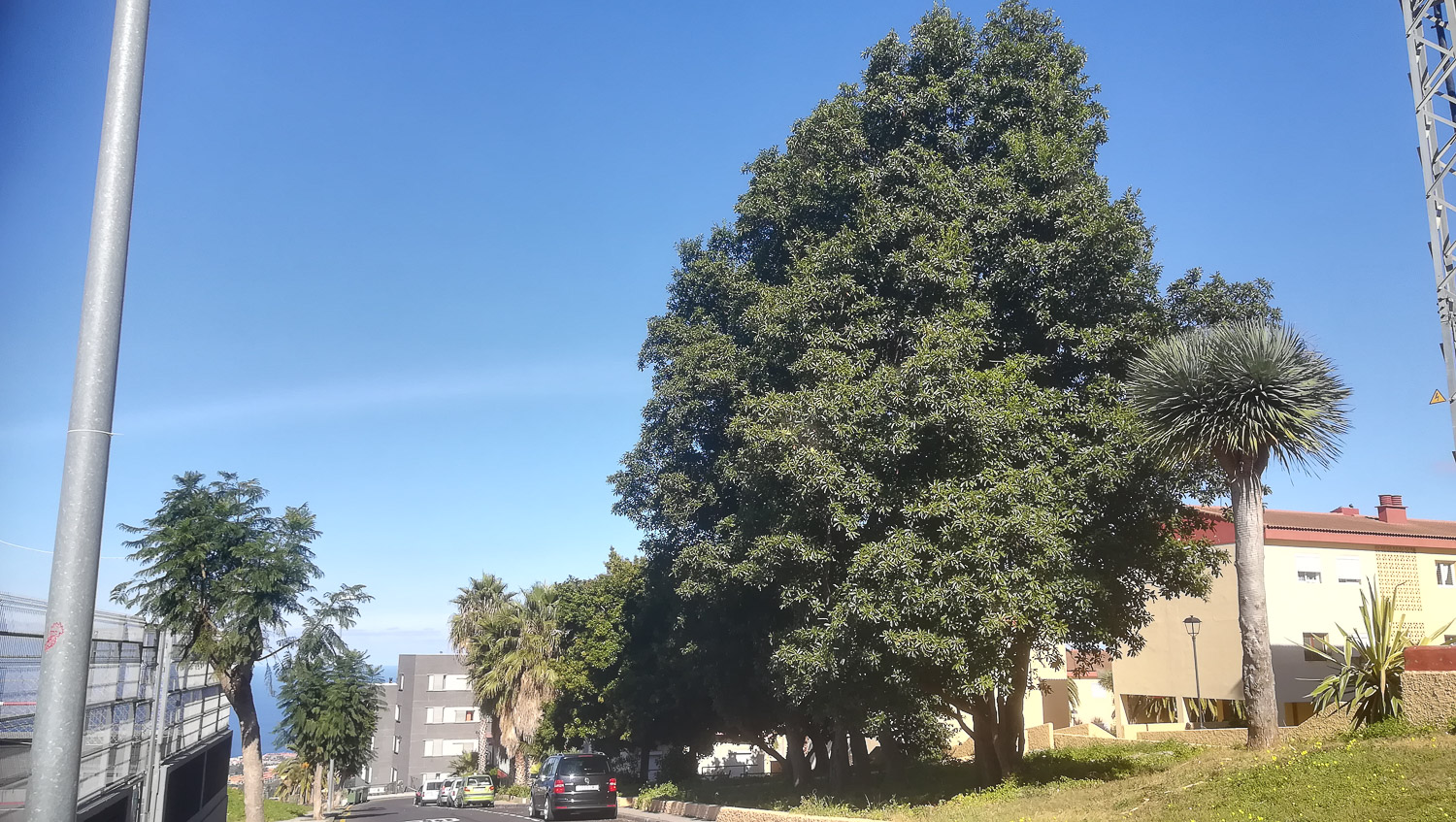
Zone 12: Experimentation Zone
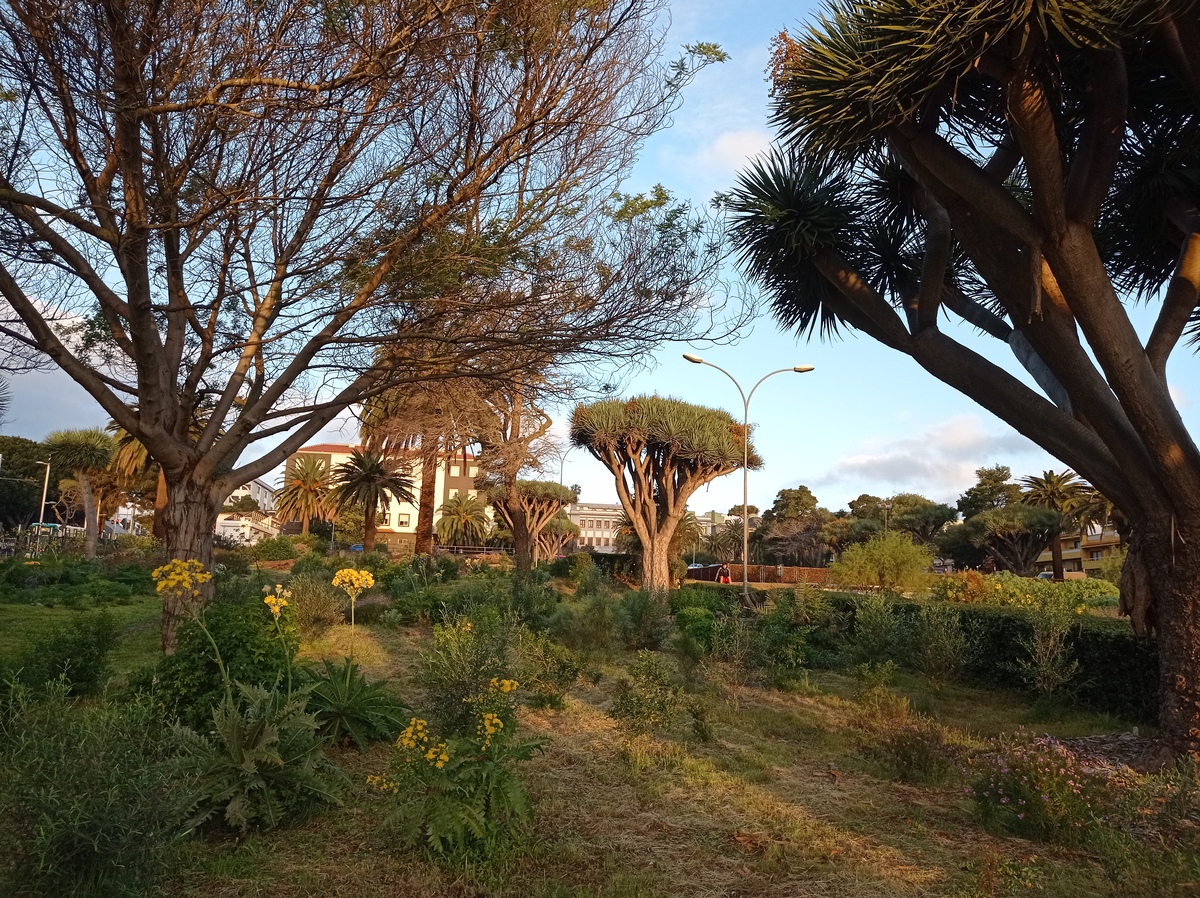
Zone 13: Mixed Thermosclerophilic Floor
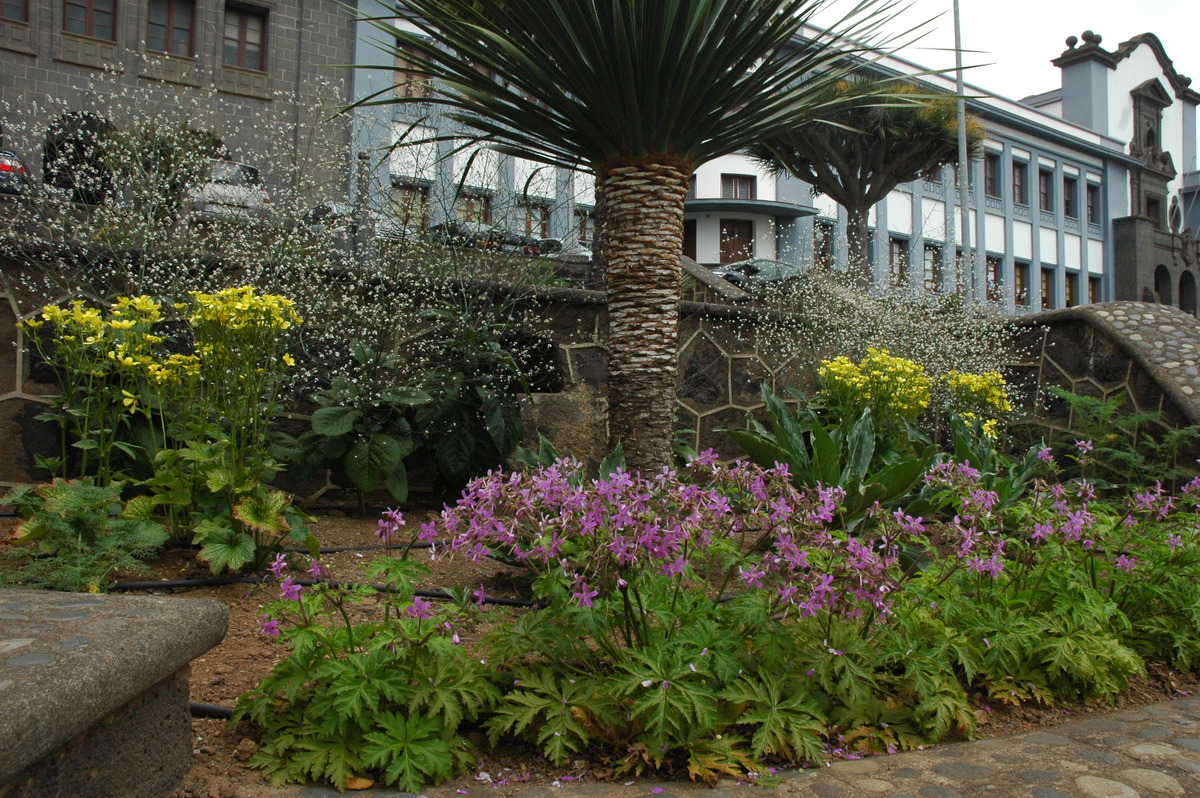
Zone 14: Unique Plants

Nesting areas of solitary bees
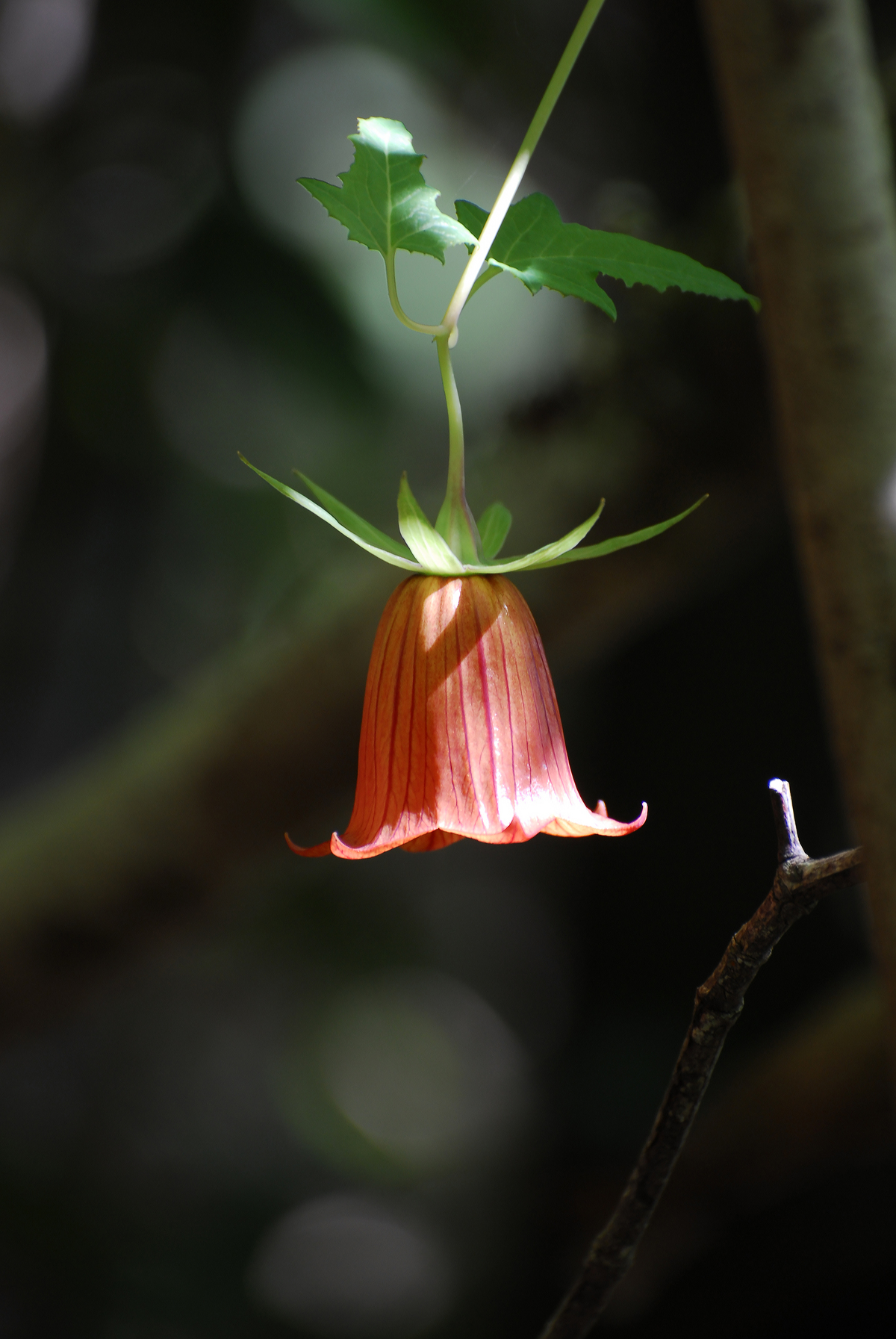
I'm not dead, I'm resting
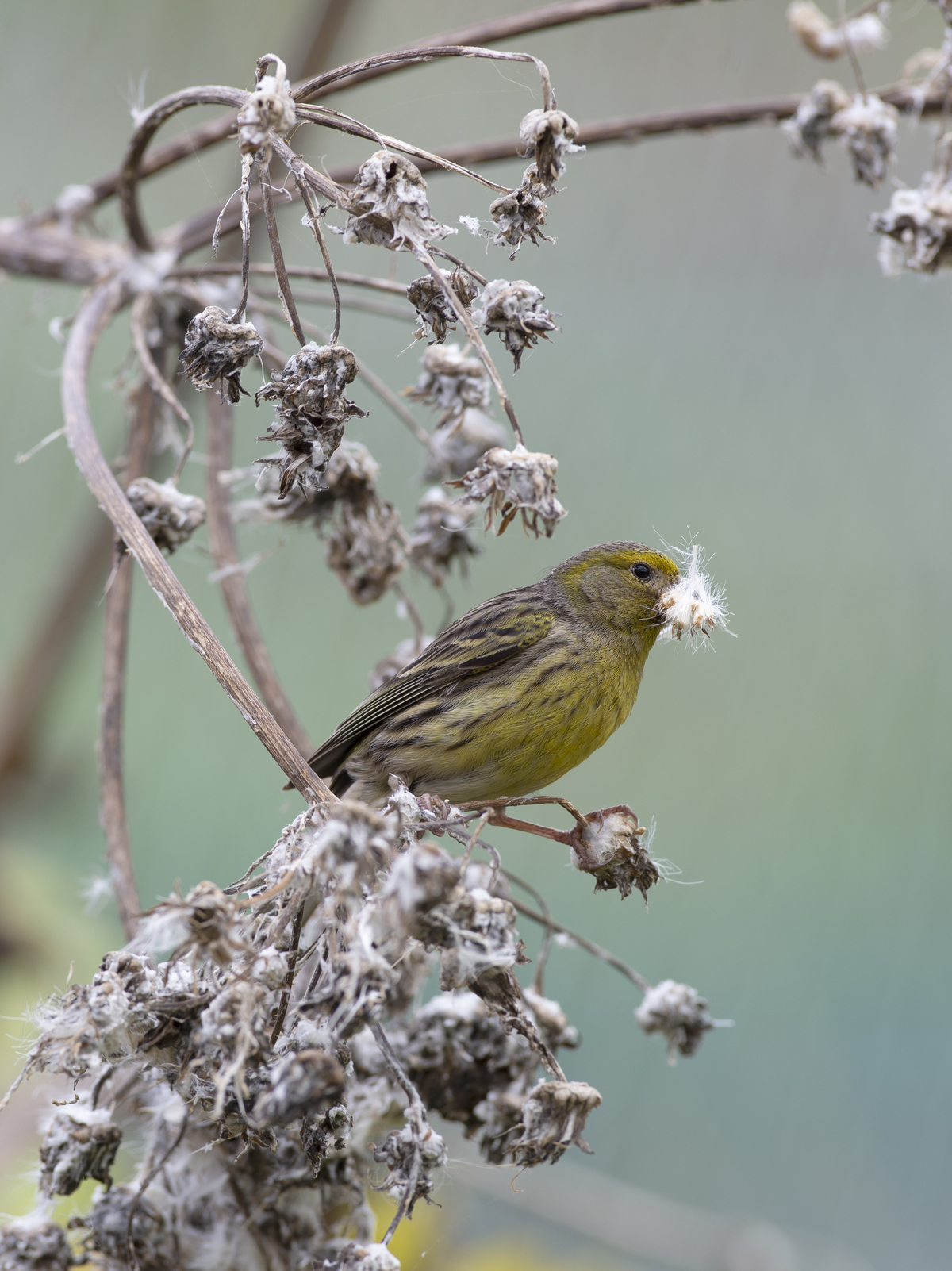
Bird feeders and waterers
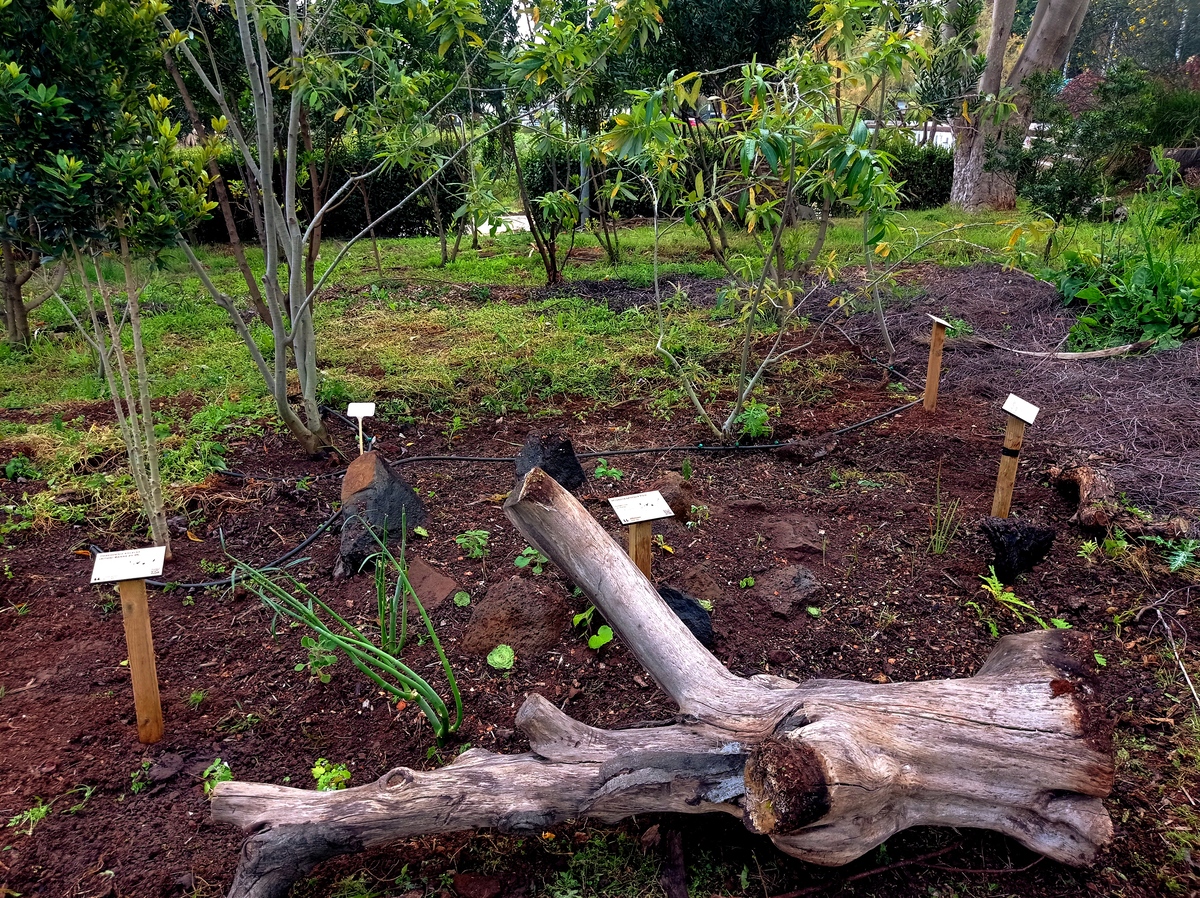
The importance of ecological succession in the garden

Dead matter is also life

Plants to help pollinators
Government Pavilion, C/ Padre Herrera s/n
P.O. Box 456
38200, San Cristóbal de La Laguna
Santa Cruz de Tenerife - Spain
Switchboard Tel.: (+34) 922 31 90 00
Hours: Mon-Fri, 8:00 a.m. to 9:00 p.m.
