eISSN: 2530-8343
ISSN: 1131-6810 (ya no activo)
DOI: 10.25145/j.fortunat

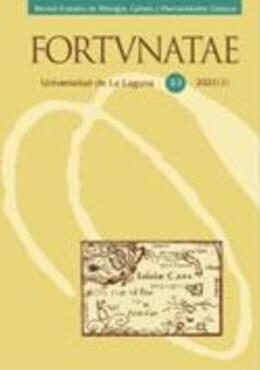
El número 33 de la revista Fortunatae reúne en sus 248 páginas un total de once artículos y tres reseñas de libros en cinco idiomas diferentes (español, francés, griego, inglés e italiano). Atendiendo a la multidisciplinariedad que caractariza a esta publicación, tres de sus artículos se dedican a epigrafía griega en diferentes momentos y aspectos: dialectología cretense (Bile), inscripciones bizantinas (Magnelli) y cerámica helenística (Tsatsaki). La literatura está representada por los trabajos sobre Sófocles y Esquilo de Helen Gasti y Andrea Sánchez respectivamente. A la tradición clásica se adscriben las aportaciones de López Férez sobre la General Estoria, y el de Milagros del Amo sobre el comentario de Nebrija sobre Persio. Dentro del apartado más estrictamente lingüístico, María Isabel Jiménez y Eveling Garzón, dedican su estudio a la cuestión de las colocaciones latinas. Por su parte, el artículo de Jesús Peláez gira en torno a la organización semántica en diccionarios neotestamentarios griegos. El arabista Miguel Ángel Lucena analiza un tratado fisiognómico sirio del siglo XIII y sus fuentes griegas y por último, desde un enfoque histórico y cultural, Styliani Voutsa traza un recorrido histórico de la presencia de intelectuales helenos en la universidad helmántica desde el Renacimiento.

Indizada en:




Este trabajo está bajo una licencia CC BY-NC-ND 4.0