The ceremony to award honorary doctorates to Margarita Salas Falgueras, Pedro Valentín de Pablo Contreras, and Serge Fauchereau, scheduled for April 23, has been suspended. The next date will be announced. (March 17, 2020)
All recruitment applications offered by the University of La Laguna are suspended until further notice. (March 16, 2020)
The faculty of the Faculty of Psychology and Speech Therapy at the University of La Laguna has created a series of audiovisual materials for different audiences, with the aim of helping them manage potential psychological difficulties arising from the crisis experienced in recent weeks.
Coronaviruses are a large family of viruses, some of which can cause a variety of human diseases, ranging from the common cold to SARS (severe acute respiratory syndrome). Viruses in this family can also cause several diseases in animals.
The novel COVID-19 virus was first detected in December 2019 in a market in Wuhan, China. This type of virus is a microorganism unlike any other human coronavirus discovered, and it has caused a viral pneumonia that has so far spread across borders, with cases now detected in 185 countries worldwide.
The symptoms of the new coronavirus are in many cases similar to those of a cold.
The clinical signs and symptoms reported so far are mainly:
In some cases, digestive symptoms such as diarrhea and abdominal pain may occur. In more severe cases, the infection can cause pneumonia, severe difficulty breathing, kidney failure, and even death. The most severe cases generally occur in elderly people or those with other conditions, such as heart, lung, or immune problems.
Hacking cough.
Fever.
Feeling of shortness of breath (dyspnea).
Transmission
Although it is not known precisely, by analogy with other infections caused by similar viruses, it seems that transmission would be by:
By direct contact with contaminated animals or infected secretions from sick peopleThe incubation period for this virus is not precisely known. It is the amount of time that elapses between the moment a person is exposed to the virus and the onset of symptoms. Initially, 14 days are being estimated.
Respiratory tract: Through close contact with respiratory secretions generated by the cough or sneeze of an infected person. These secretions would affect another person if they came into contact with their nose, eyes, or mouth. Airborne transmission over distances greater than one or two meters seems unlikely.
Preventive measures
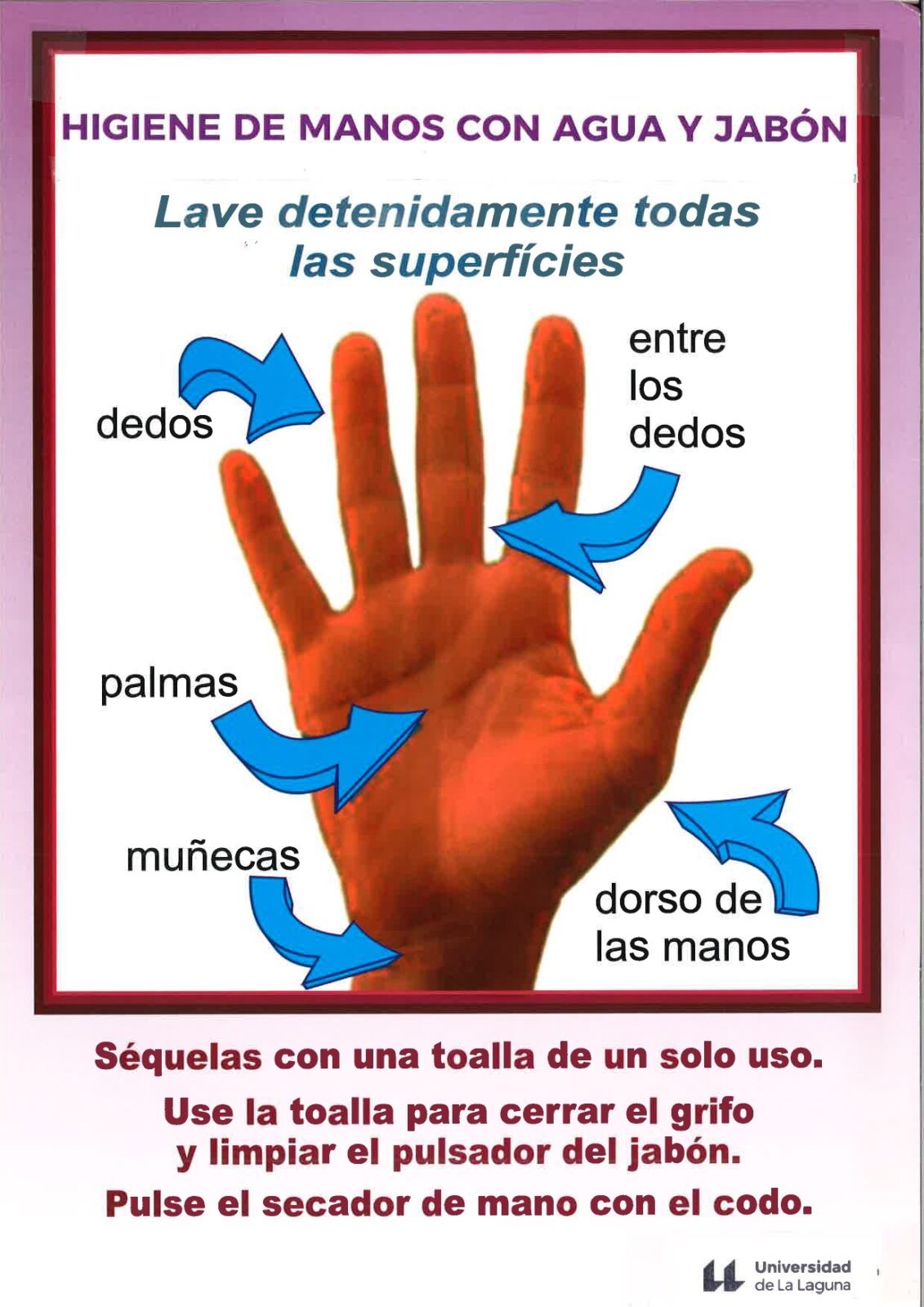
Regular handwashing: Wash your hands with soap and water or alcohol-based hand rubs.
It is recommended that nails be kept short.
Avoid close contact with people showing signs of respiratory illness, such as coughing and sneezing.
Maintain a distance of at least one meter from people with symptoms of acute respiratory infection.
Recommendations when coughing or sneezing:
Cover your mouth and nose with a disposable tissue.
Throw away the handkerchief immediately
If you do not have a tissue, you should cough or sneeze into your arm at the inner corner of your elbow, to avoid contaminating your hands.
If you experience an unexpected coughing fit and accidentally cover your mouth with your hand, avoid touching your eyes, nose, or mouth.
Anyone with respiratory symptoms should wash their hands frequently because they may accidentally come into contact with secretions or surfaces contaminated with secretions.
Ventilate the workplace.
To do?
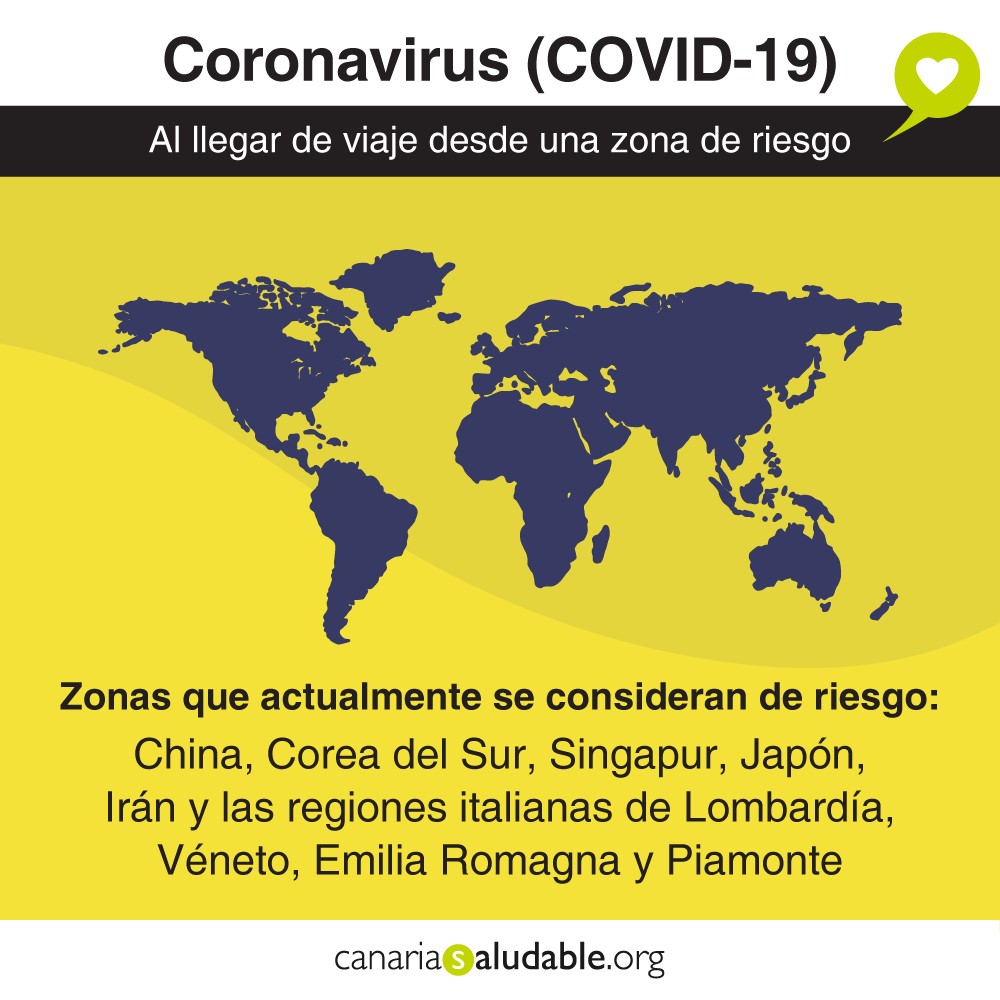
If you are traveling to an affected area
Based on the information currently available, the WHO does not recommend any restrictions. However, as a precautionary principle, it is recommended that travel to the affected areas be avoided unless strictly necessary and, in any case, that the following precautions be taken:
Avoid close/direct contact (maintain at least a distance of 1 meter) with people who may have acute respiratory infections or who are coughing, sneezing, or coughing. Do not share personal belongings.
Maintain good personal hygiene: wash your hands frequently, especially after direct contact with sick people or their environment.
Avoid close contact with live or dead animals, domestic or wild, and their secretions or excrements in markets or farms.
Avoid consuming undercooked or raw animal products.
Older travelers and those with underlying health conditions are at risk for more severe illness and should discuss their travel risk with a healthcare professional at an International Vaccination Center.
Due to seasonal influenza activity in the Northern Hemisphere and in accordance with national recommendations, travelers for whom it is indicated should receive the seasonal influenza vaccine at least two weeks before travel.
If you experience symptoms consistent with an acute respiratory infection, such as fever, cough, or shortness of breath, while in affected areas, you should contact local health authorities and follow their recommendations.
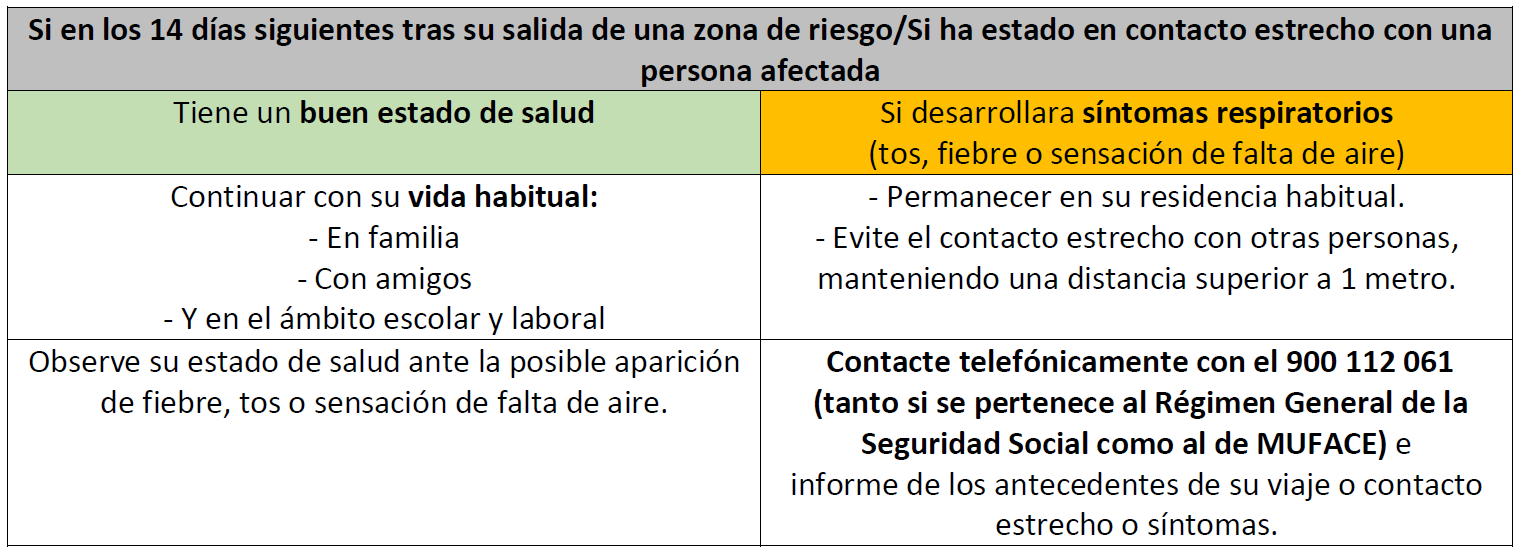
If you have recently returned from any of the risk areas or have been in close contact with affected individuals
Information on recommendations to follow if you have been in risk areas can be found in the following link.
Preventive measures aimed at ULL staff
It is recommended to avoid direct contact with people who may be suffering from an acute respiratory infection, trying to maintain a separation of 1-2 meters between them.
It is recommended to follow the preventive measures established by the health authorities.
If you have the symptoms described above and have been in close contact with a probable or confirmed case, you should notify your supervisor and not come to work. All follow-up coordination regarding the progress of the situation should be carried out through your supervisor. You should also contact the Canary Islands Health Service.
It is recommended to avoid travel to risk areas unless unavoidable. If travel cannot be canceled or postponed, follow the recommended measures for traveling to an affected area.
In any case, workers with underlying conditions, such as heart or lung disease, immunocompromised conditions, and pregnant women and any other conditions that could worsen their condition, should avoid traveling to high-risk areas.
It is recommended to avoid greetings with physical contact.
It is recommended, whenever possible, to conduct meetings using audiovisual technologies to avoid unnecessary travel.
To make this information known to companies that carry out activities in the work centers of this Department, in accordance with the coordination of business activities.
Information for Erasmus+ Students
The Spanish Service for Internationalization (SEPIE), in collaboration with national authorities and the European Commission, is conducting coordinated monitoring of the actions to be taken.
For areas declared at risk by health authorities, the force majeure clause of the Erasmus Mobility grant agreement could be applied to interrupt the stay.
In any case, it is recommended to follow the instructions of the local authorities of the host universities.
SEPIE has enabled on its website a information space where it will update relevant information, both in Spain and in the rest of the affected countries.
Pursuant to the Royal Decree declaring a state of emergency for the national territory, students wishing to return must contact the Spanish embassies or consulates in their destination cities, who will inform them whether or not they are authorized to travel.
According to the Rector's Instruction of March 15, "students who interrupt their mobility and request to return to the ULL will be readmitted and will be provided with continuous assessment or, failing that, a final exam."
The Vice-Rector's Office for Outreach, Internationalization, and Cooperation will be responsible for processing the cancellation of requested academic contracts, as well as managing expenses.
Questions about the academic status of students who wish and are able to return should be directed to the mobility coordinators at each center.