

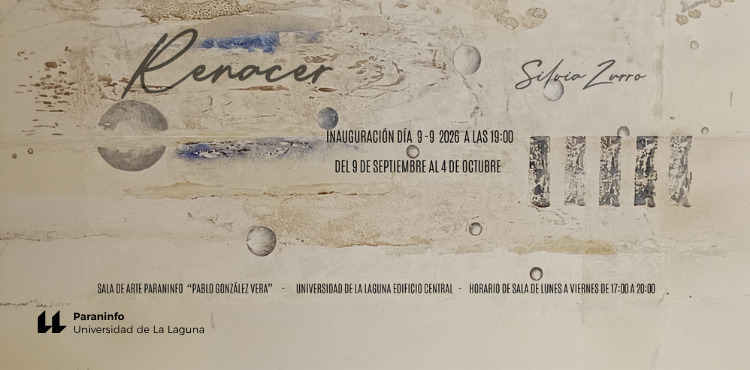
The "Rebirth" exhibition offers an intimate and moving journey into the delicate experience of cognitive decline, the loss of memories, and the silent process of saying goodbye. Through...

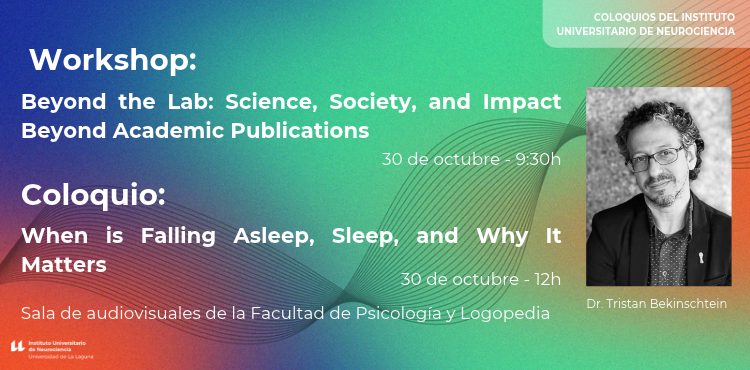
The University Institute of Neuroscience (IUNE) is organizing a day on Friday, October 30th with Dr. Tristan Bekinschtein, a researcher from the Department of Psychology at the University of Cambridge, who will give a workshop and a lecture throughout the morning.
|
Monday
|
Tuesday
|
Wednesday
|
Thursday
|
Friday
|
Saturday
|
Sunday
|
|---|---|---|---|---|---|---|
10 events,
The "Rebirth" exhibition offers an intimate and moving journey into the delicate experience of cognitive decline, the loss of memories, and the silent process of saying goodbye. Through... 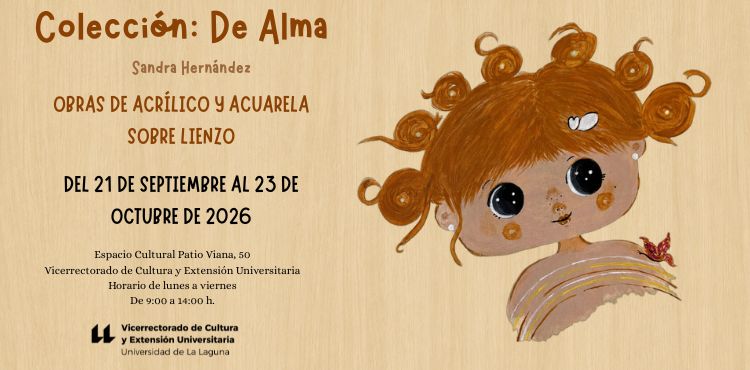
Sandra Hernández Álvarez is a self-taught visual artist whose work focuses on exploring childhood and the emotions of the soul, fusing the delicacy of watercolor and... 
September 22, 2026, marks the 50th anniversary of the assassination of Bartolomé García Lorenzo (1955-1976), one of the victims of police repression during the... 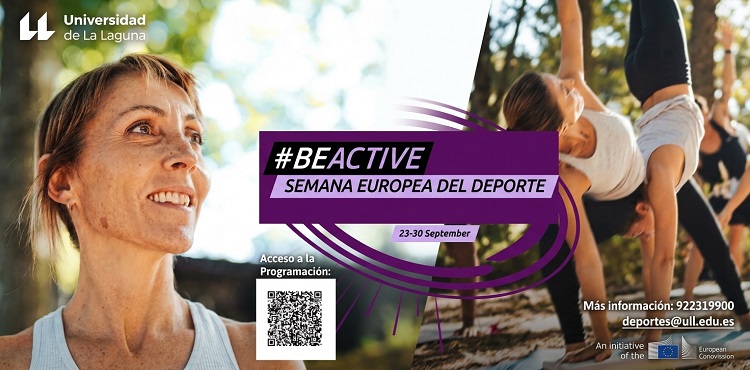
To celebrate European University Sport Week, the Sports Service is offering a free sports program from September 23rd to 30th. Our... 
The course "NutriScience: Learn the Fundamentals of a Healthy Diet" is part of the 2026 University Extension Courses program "Connect+ Expand Your Knowledge". It will be held online... 
The course "Communication and Creativity Development: Blogs, Podcasts, and Video Blogs" is part of the "Campus La Gomera 2026" University Extension Courses program. It will be held in... 
The University of La Laguna, through its Scientific Culture and Innovation Unit (Cienci@ULL), organizes the outreach activity “Scientific Routes of the ULL”, which this year...
-
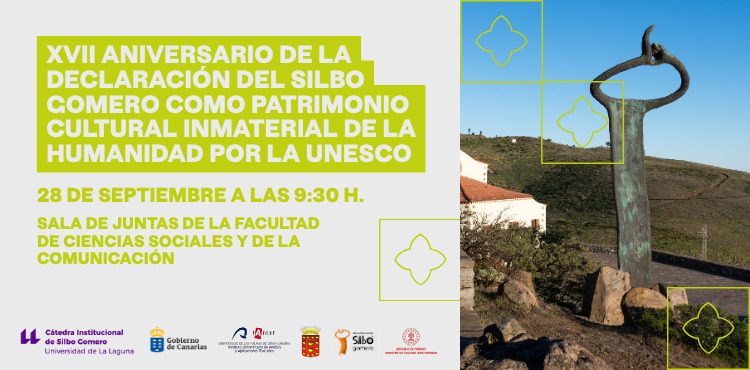
To mark the 17th anniversary of the declaration of Silbo Gomero as an Intangible Cultural Heritage of Humanity by UNESCO, the Institutional Chair of Silbo Gomero at La Laguna...
-
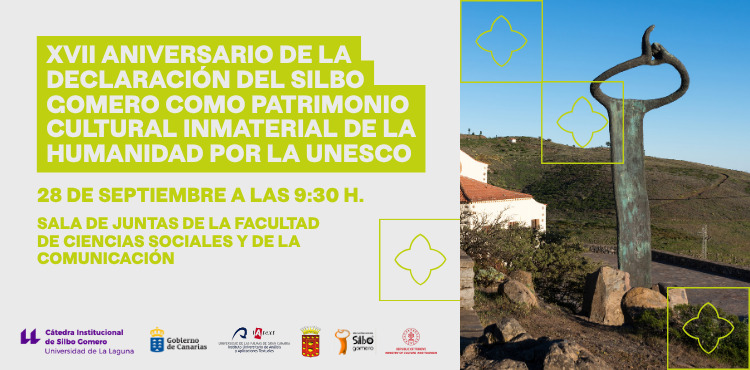
To mark the 17th anniversary of the declaration of Silbo Gomero as an Intangible Cultural Heritage of Humanity by UNESCO, the Institutional Chair of Silbo Gomero at La Laguna...
-
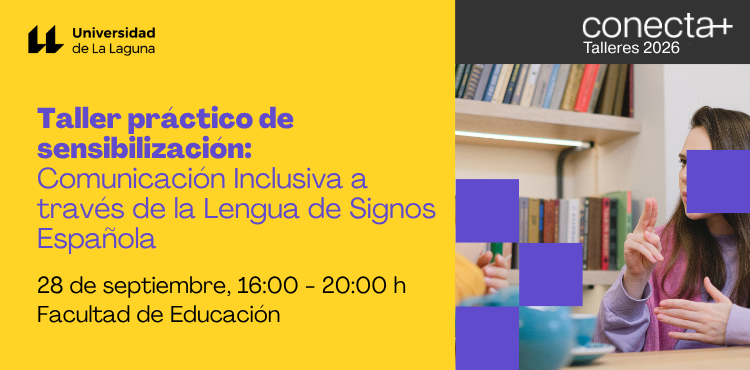
The "Practical Awareness Workshop: Inclusive Communication through Spanish Sign Language" is part of the 2026 University Extension Workshops program, "Connect+ Workshops". It... |
9 events,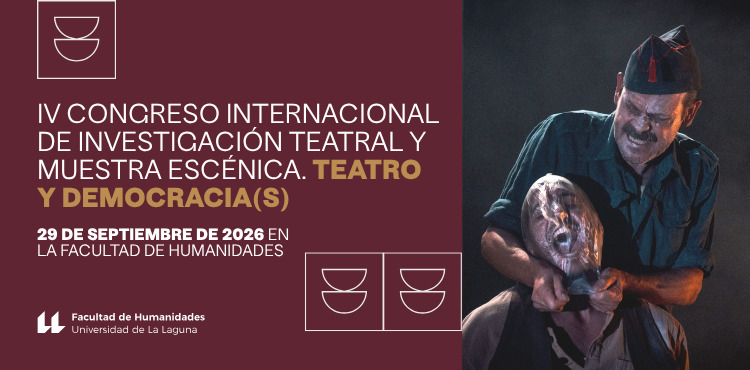
IV International Congress of Theatre Research and Performance Showcase. Theatre and Democracy(ies): Memory, Transitions and Resistance in the Performing Arts in Spain and Latin America (20th-21st Centuries) The Faculty of...
-

The Arabic language, understood as a modern language, brings with it the need for students to be able to learn, in addition to the purely linguistic tool, the rich cultural environment of that...
-

The Communication Department at the University of La Laguna is holding a seminar on communication and leadership in organizations. The seminar is open to all university students, given...
-

The Tenerife Hospital Foundation is organizing the 4th Innovation Conference “We continue building the future” which will take place on September 29th, in the Aula Magna of the Faculty of Economics, Business... |
14 events,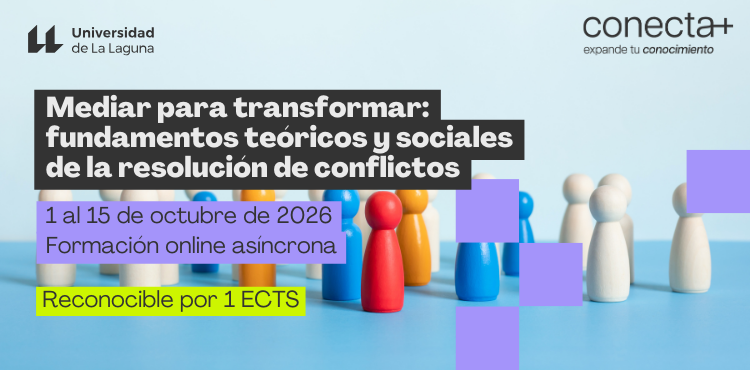
The course "Mediating to Transform: Theoretical and Social Foundations of Conflict Resolution" is part of the 2026 University Extension Courses program "Connect+ Expand Your Knowledge". It... 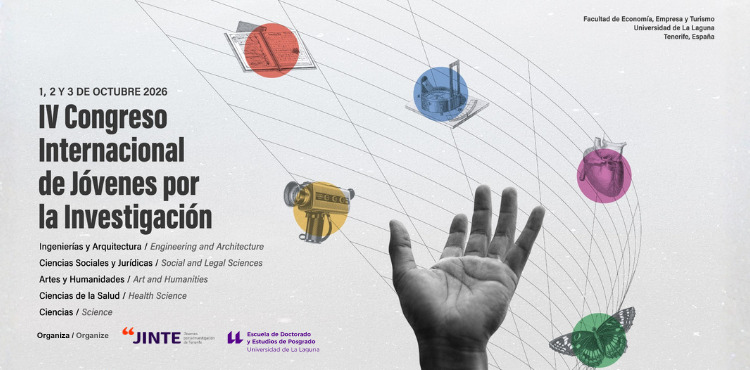
The Tenerife Association of Young Researchers (JINTE) and the Doctoral School and Postgraduate Studies (EDEP) of the University of La Laguna are co-organizing the 4th Congress... 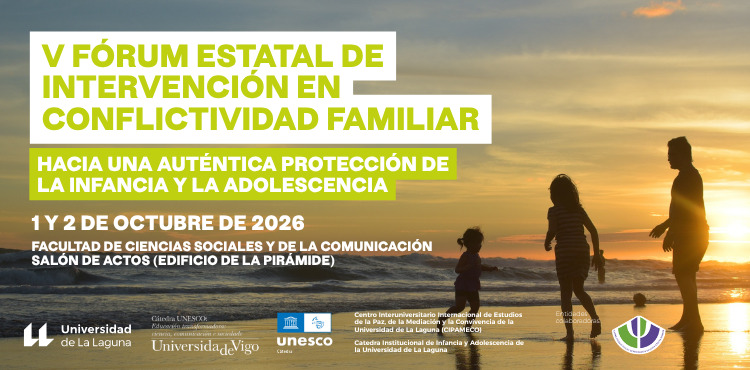
The 5th State Forum on Intervention in Family Conflict is conceived as a space for reflection, analysis, and proposals regarding the current challenges faced by families with... 
The Cultural Center for Indigenous and Traditional Canarian Games and Sports, in collaboration with the University Collective of Palo Canario, is organizing this course, which will be held in person at... 
The first NEXUS Conference: Special Educational Needs in Education aims to promote the exchange of knowledge and experiences geared towards improving the educational response to students with specific educational support needs... 
The first NEXUS Conference: Special Educational Needs in Education aims to promote the exchange of knowledge and experiences geared towards improving the educational response to students with specific educational support needs... 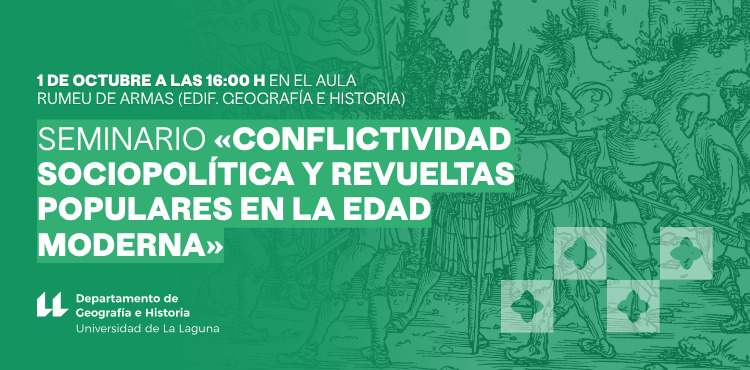
The University of La Laguna will host the research seminar "Sociopolitical Conflict and Popular Revolts in the Modern Age" on October 1st and 2nd, 2026, under the...
-

The CajaCanarias Tenerife Island Council Chair of Economics and Mobility at the University of La Laguna is organizing a research seminar on October 1st at 12:00 pm...
-

As part of the Vice-Rectorate for Culture and University Extension's structural project, "Book Days: A Year to Inhabit the Word," singer-songwriter Joan Manuel Serrat will meet with students...
-

The Film Classroom, in collaboration with Film Club Talks and Multicines Tenerife, is organizing a special screening of the feature film La Bola Negra, winner of Best Director at the Festival of... |
15 events,
-
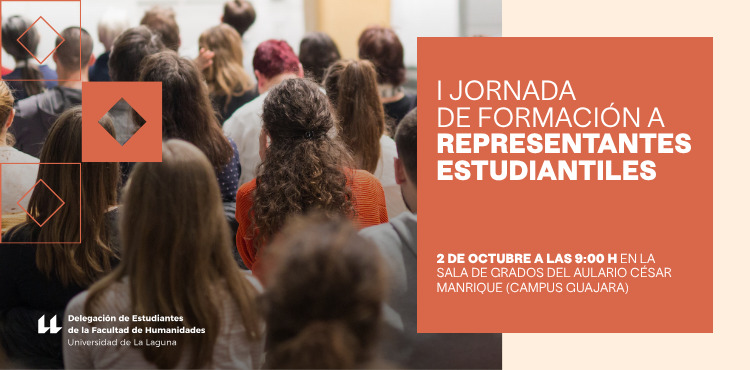
The first Training Day for Student Representatives of the Faculty of Humanities at the University of La Laguna, entitled "Representing, Communicating and Transforming", was born as an unprecedented initiative driven...
-

The workshop "Do you want to work in other European Union countries? The EURES network guides you step by step" is part of the 2026 University Extension Workshops program "Connect+...".
-
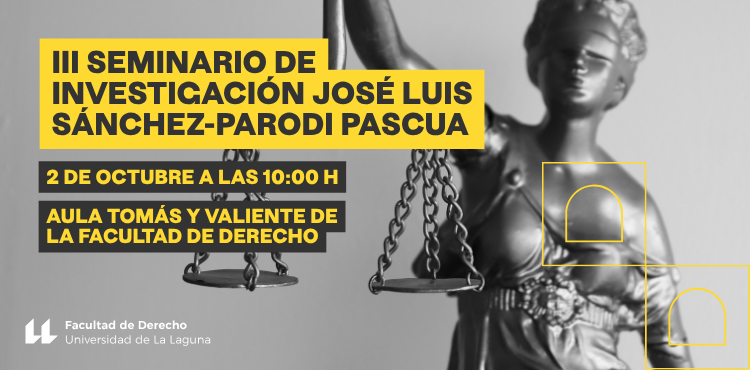
The 3rd Research Seminar in honor of Professor José Luis Sánchez-Parodi Pascua will take place on October 2nd in the Tomás y Valiente room of... |
5 events,
-
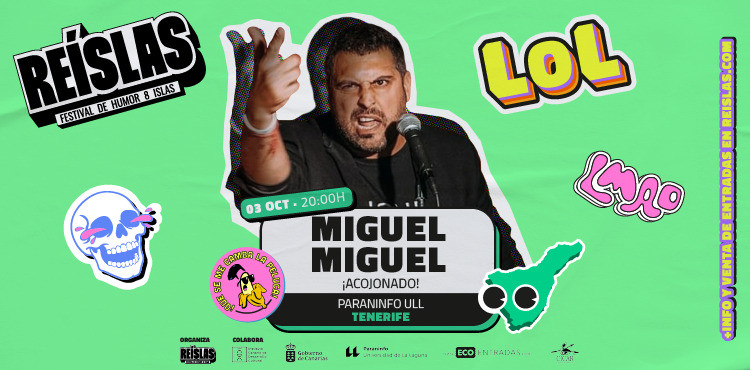
"Scared!" is Miguel Miguel's innovative show, where he recounts all his experiences accumulated over the years. The performance is a hybrid of his past experiences... |
4 events,
-

The day's events include the Grand Closing Concert of the Classical Laguna Experience (CLE) Festival 2026. In this concert, the CLEO Orchestra (Classical Laguna Experience Orchestra), under the direction of... |
|
4 events,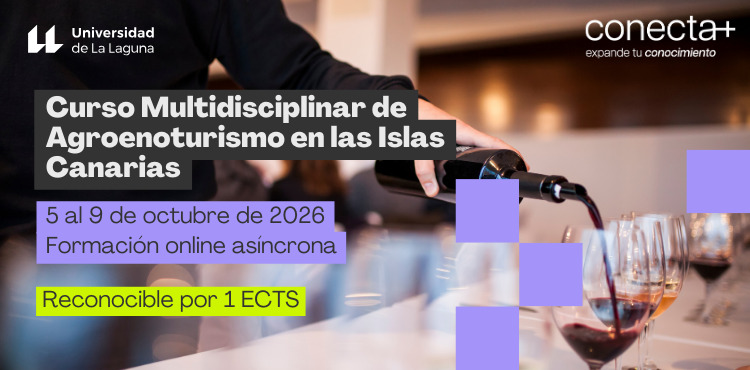
The "Multidisciplinary Course on Agro-Wine Tourism in the Canary Islands" is part of the 2026 University Extension Courses program, "Connect+ Expand Your Knowledge." It will be held online... 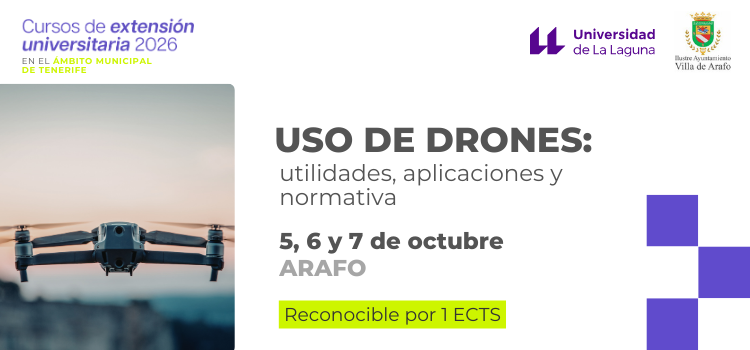
Arafo hosts the course "Use of drones: utilities, applications and regulations (introductory course)", jointly organized by the Vice-Rectorate for Culture and University Extension and the Illustrious Town Council of Villa de Arafo,... |
9 events,
The Intercultural Mediation Course: Romipen-Sansofe will be held online between October 6 and November 20, 2026. Its general objective is to promote... 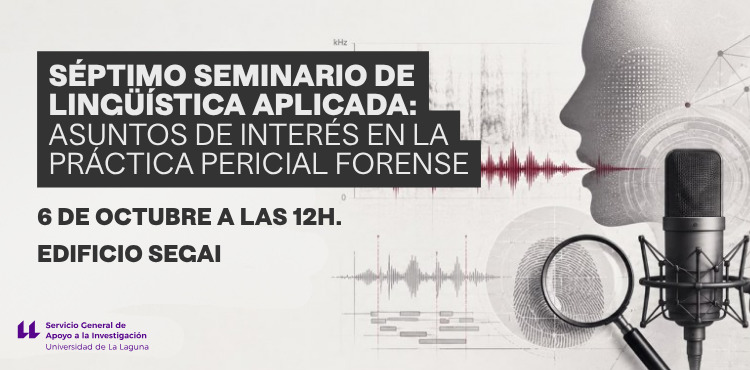
The Phonetics Laboratory at the University of La Laguna has been continuously offering specialized courses (training, research, and outreach) since its inauguration in 1991 with the aim of... 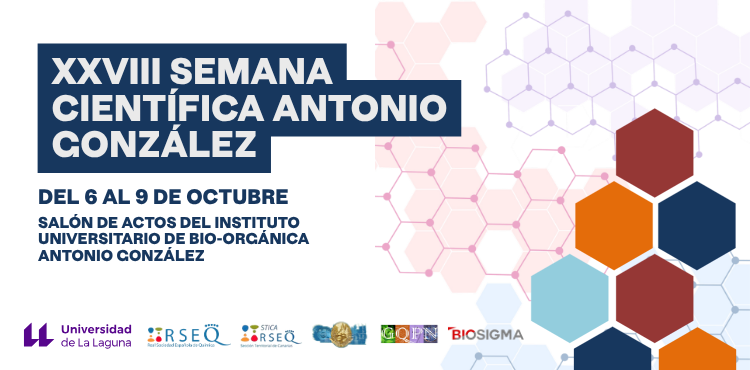
The Department of Organic Chemistry at the University of La Laguna is organizing the XXVII Antonio González Scientific Week, which will take place from October 6th to 9th, 2026 in... 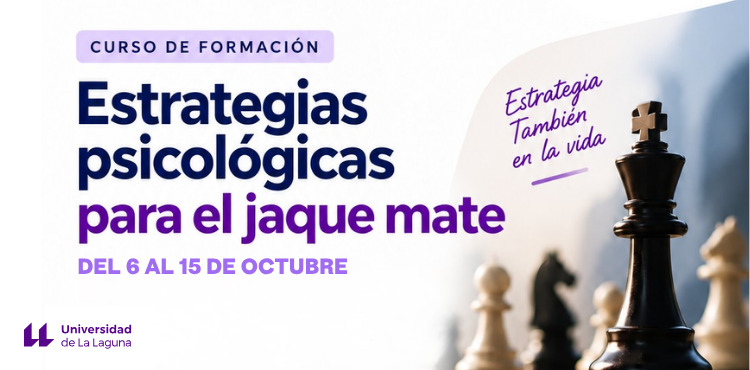
The University of La Laguna is organizing the training course 'Psychological Strategies for Checkmate', which will be held from October 6th to 15th, 2026. It is about...
-
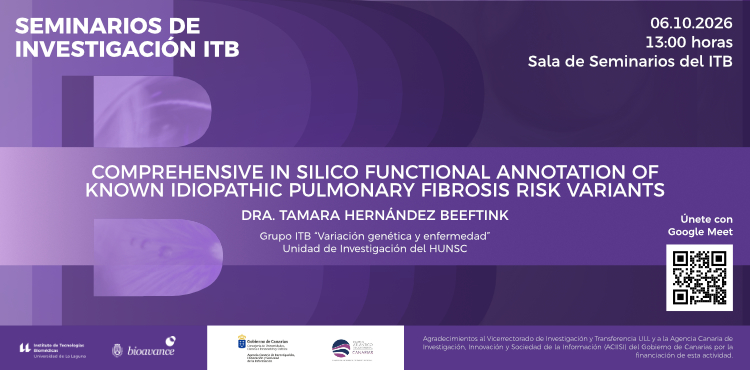
The ITB 2026 Research Seminars program continues on Tuesday, October 6th at 1:00 PM with a seminar by Dr. Tamara Hernández Beeftink, a researcher at ITB and the Research Unit...
-
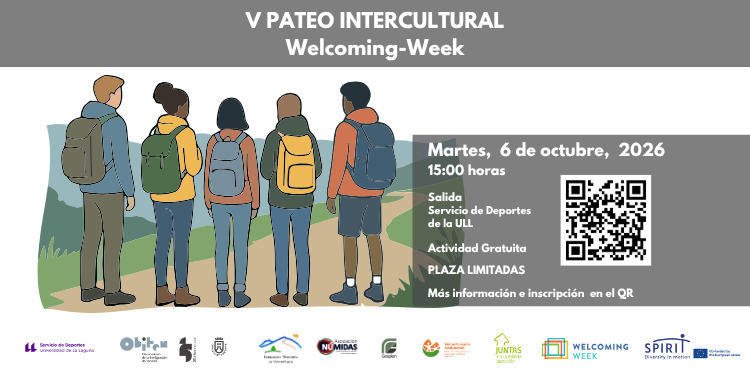
Join the 5th Intercultural Walk for inclusive sport, a participatory walk organized by the Tenerife Immigration Observatory (OBITen), in collaboration with the Tenerife Island Council...
-
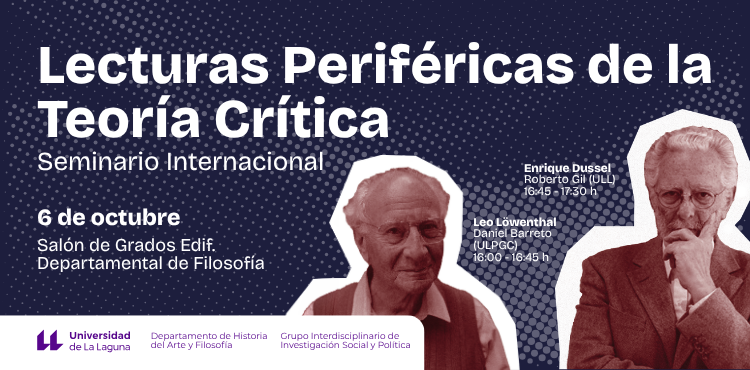
Daniel Barreto, professor at the University of Las Palmas de Gran Canaria, and Roberto Gil, professor at the University of La Laguna, will introduce us, on the one hand, to the sociologist of... |
10 events,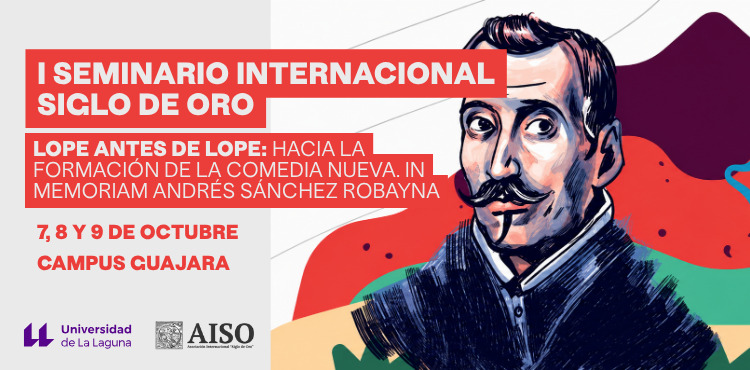
The Performing Arts Classroom of the Vice-Rectorate for Culture and Extension, the Vice-Dean's Office of the Philology Section of the Faculty of Humanities, the Vice-Rectorate for Research and Transfer and... 
From October 7th to 30th, you can visit the photographic exhibition "Gaza, the unsilenced gaze. A call to not look away..." at the General and Humanities Library.
-
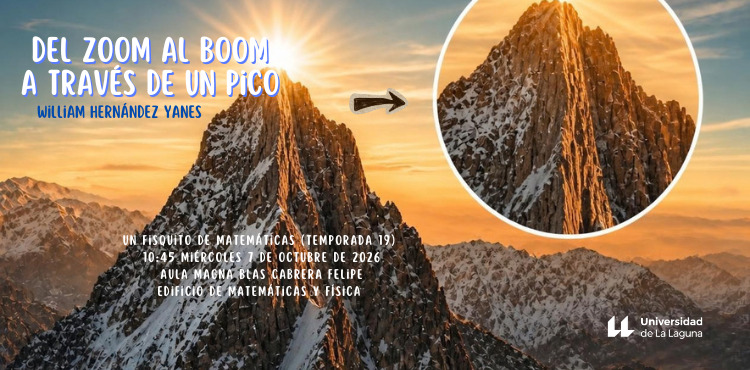
The 19th season of a new mathematical physics course opens on Wednesday, October 7th, in the Blas Cabrera Auditorium of the Physics and Mathematics Building at the University...
-
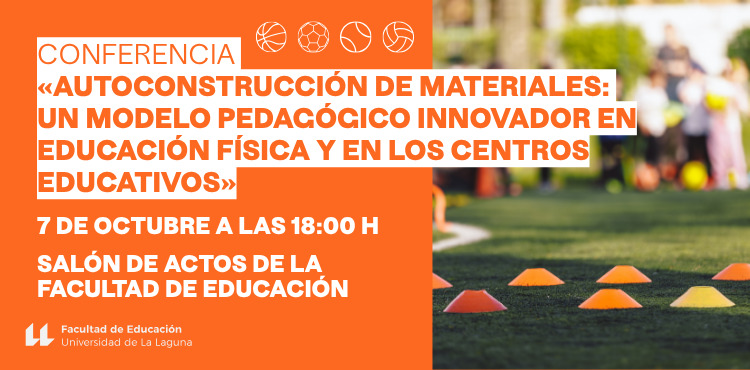
The areas of Didactics of Body Expression and Physical and Sports Education, both belonging to the Department of Specific Didactics of the Faculty of Education of the University of La...
-
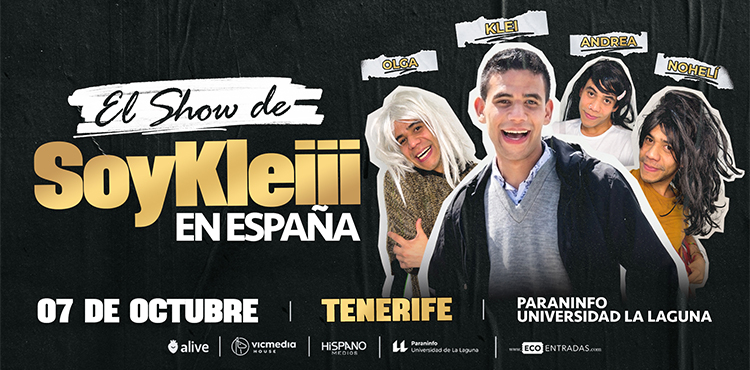
A Venezuelan comedy monologue starring Kleiii, a comedian currently going viral on social media and presenting his tour in Spain with our production company.... |
14 events,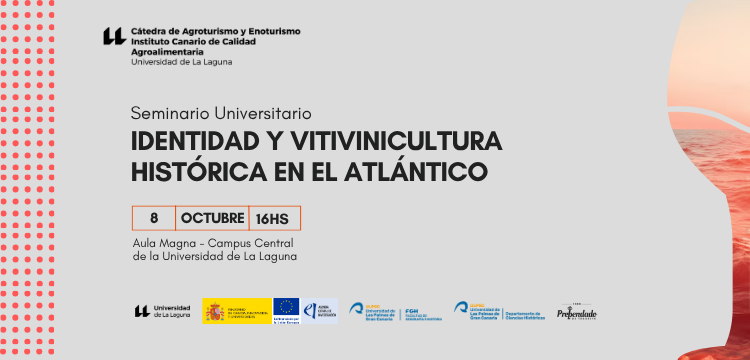
This seminar proposes an interdisciplinary space for analysis dedicated to the study of the historical, identity-related, and economic processes linked to viticulture in the Atlantic since the Modern Age... 
The Alexander von Humboldt and Sabin Berthelot Cultural Chair, in collaboration with the Department of Classical, French, Arabic and Romance Philology and the Philology Section of the Faculty of... 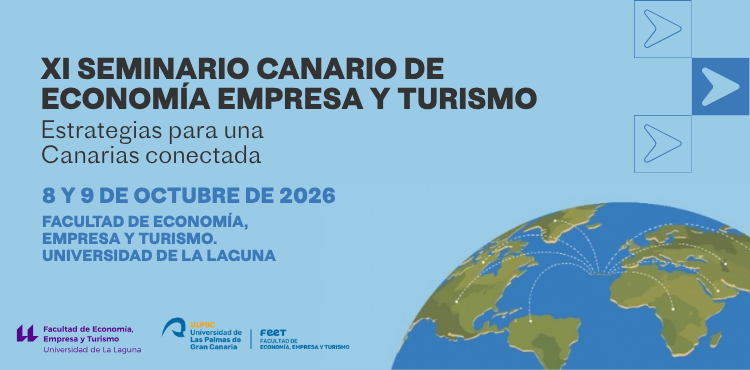
The Faculty of Economics, Business and Tourism of the University of La Laguna, in collaboration with the Faculty of Economics, Business and Tourism of the University of Las Palmas de Gran Canaria, will host on the 8th... 
The MAPFRE Canarias Foundation Chair of Technology and Education (TECNOEDU) at the University of La Laguna is organizing the in-person seminar "From AI..." on October 8th and 9th.
-
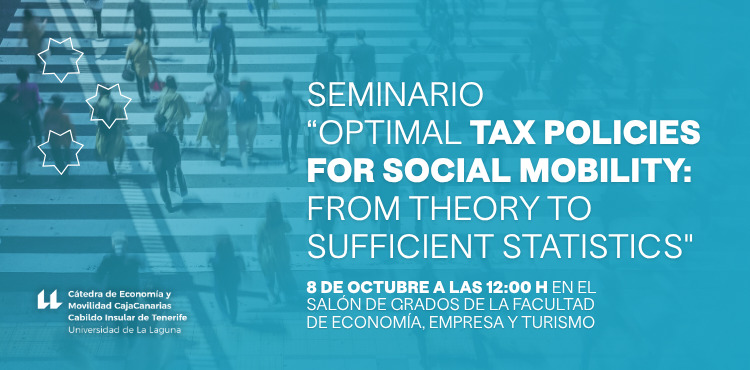
The CajaCanarias Tenerife Island Council Chair of Economics and Mobility at the University of La Laguna is organizing a research seminar on October 8th at 12:00 pm...
-

Film Club Talks and Multicines Tenerife, in collaboration with the Film Studies Department of the University of La Laguna, are organizing a screening of 'The Broken Voice', a feature-length documentary...
-
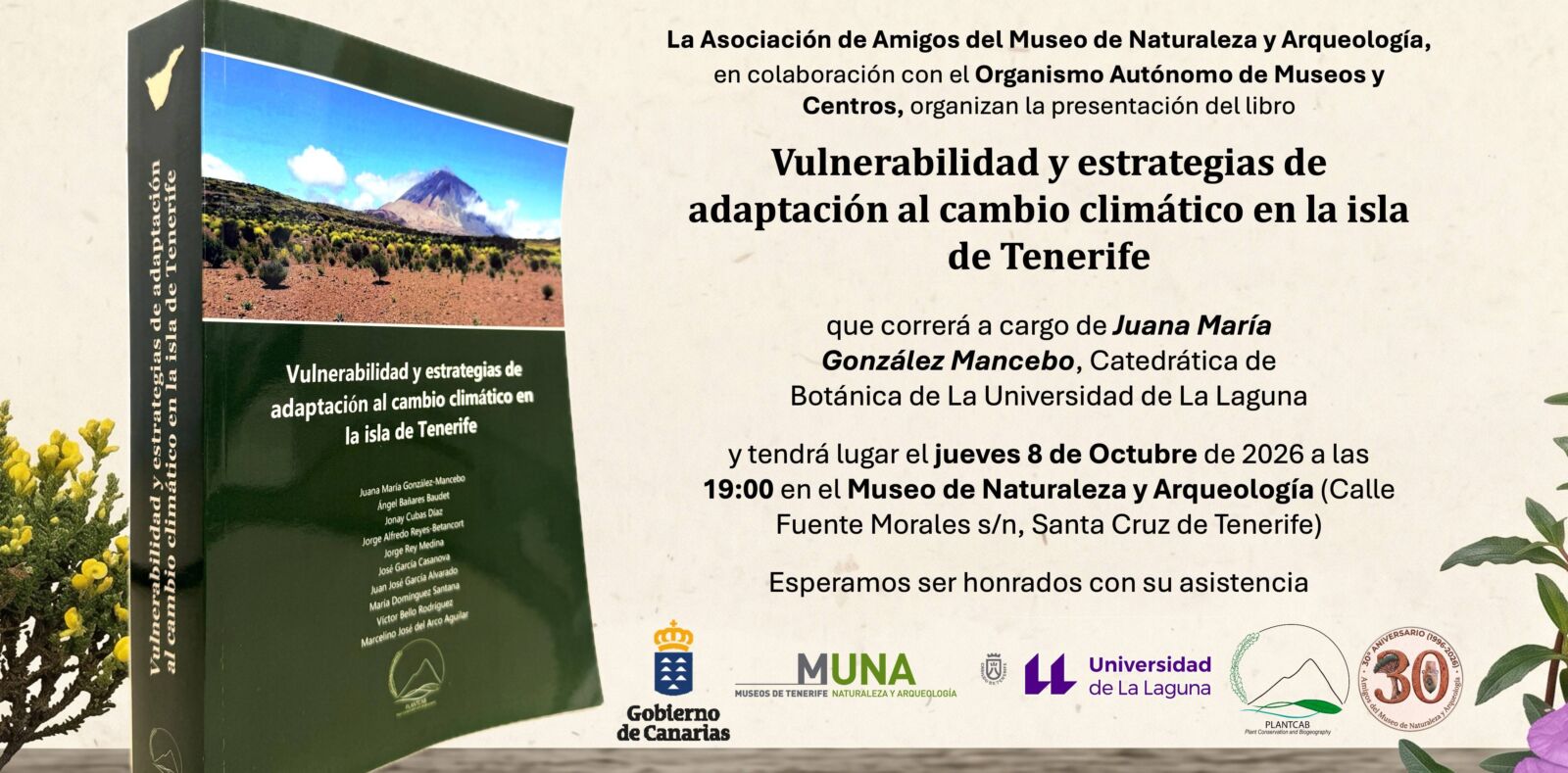
The Association of Friends of the Museum of Nature and Archaeology, in collaboration with the Autonomous Agency of Museums and Centers and the Plant Conservation and Biogeography research group of... |
19 events,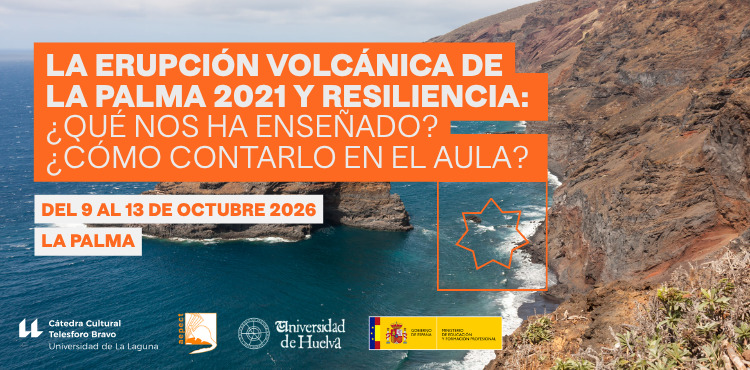
The Spanish Association for the Teaching of Earth Sciences, the University of Huelva, and the Telesforo Bravo Cultural Chair of La Laguna have organized the course for... 
This course, part of the Campus America 2026 program, is organized by the Vice-Rectorate for Internationalization and Cooperation, the La Laguna City Council, the Government of the Canary Islands, the Tenerife Island Council, CajaSiete, the Embassy of... 
The fifth edition of Campus América is coming, from October 19th to 30th, a space for evaluating and promoting the internationalization efforts of the University of La Laguna...
-

The Institutional Chair of Childhood and Adolescence and the Research Group: Law, Person and Family, are organizing this conference which will be held at the Faculty of Law on October 9th...
-

The Institutional Chair of Childhood and Adolescence and the Research Group: Law, Person and Family, are organizing this conference which will be held at the Faculty of Law on October 9th...
-
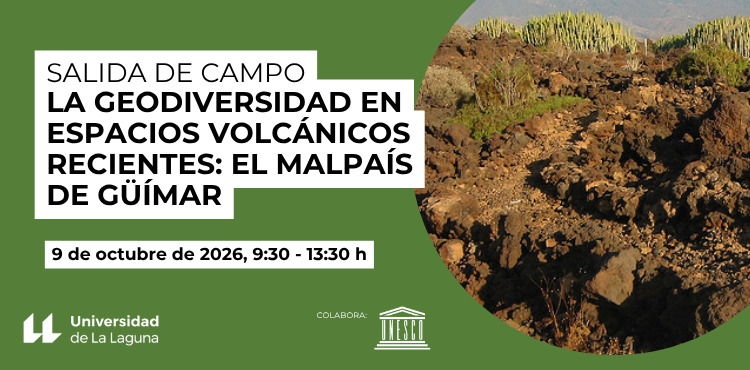
The field trip "Geodiversity in recent volcanic areas: the Malpaís de Güímar" aims to show, identify, and interpret on-site the geodiversity linked to a volcanic area of... |
9 events,
-
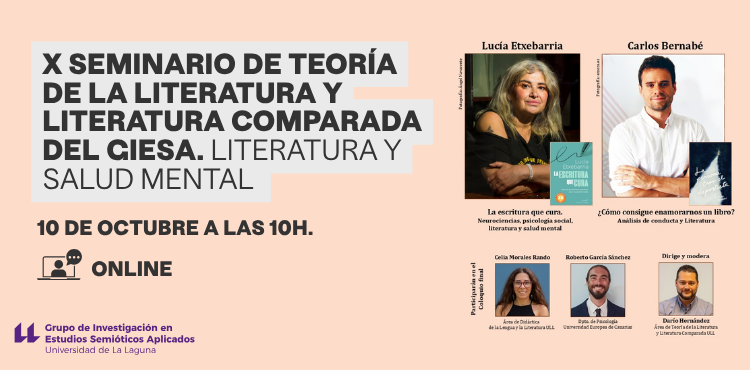
On Saturday, October 10th, from 10:00 to 12:00, the tenth edition of the Seminar on Literary Theory and Comparative Literature of the Research Group in... will take place.
-

The LGBTIQA+ Diversity Cultural Center of the University of La Laguna is holding a meeting this Saturday, October 10th, to mark World Mental Health Day...
-
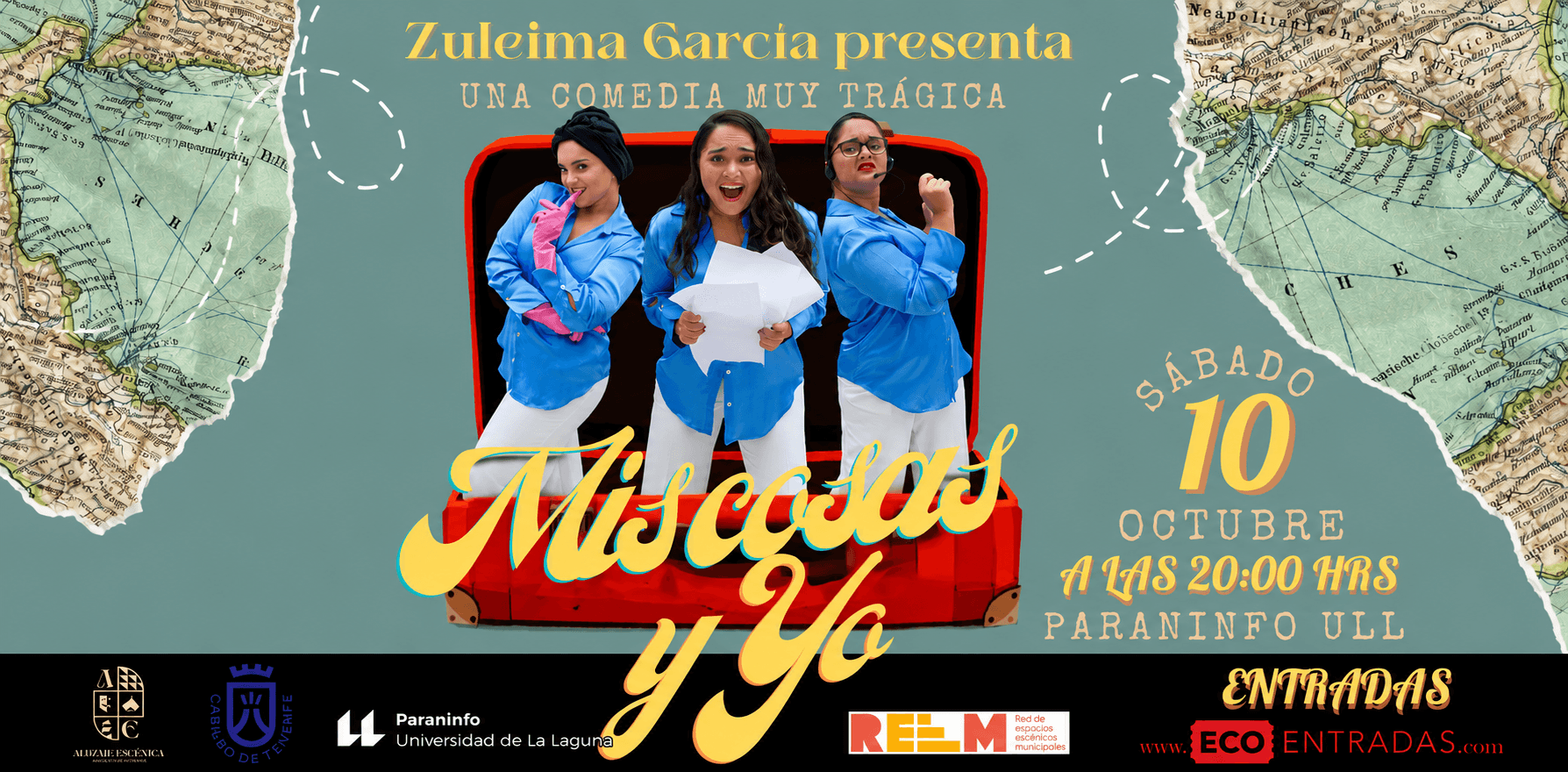
I'm getting ready to pack my bags, in search of new adventures. But, to my surprise, some old friends decide to accompany me to the airport. In this place of meetings and farewells,... |
7 events,
-
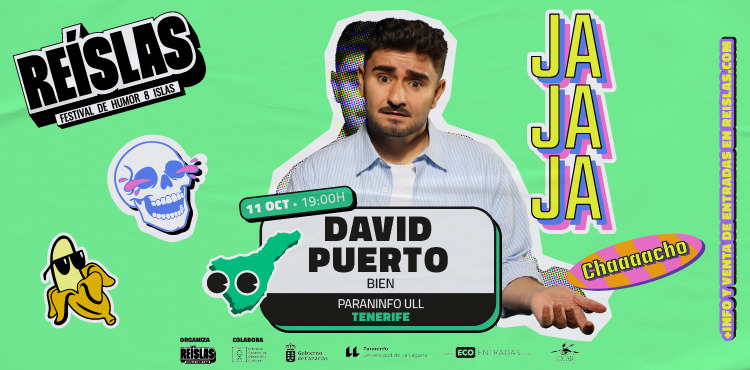
''Bien' is David Puerto's new live comedy show where freshness and spontaneity combine to offer a unique experience. In 'Bien', crowdwork and... |
8 events,
The course "Water, Energy and Climate Change: Challenges for the Canary Islands in the 21st Century" is part of the 2026 University Extension Courses program "Connect+ Expand Your Knowledge". The...
-
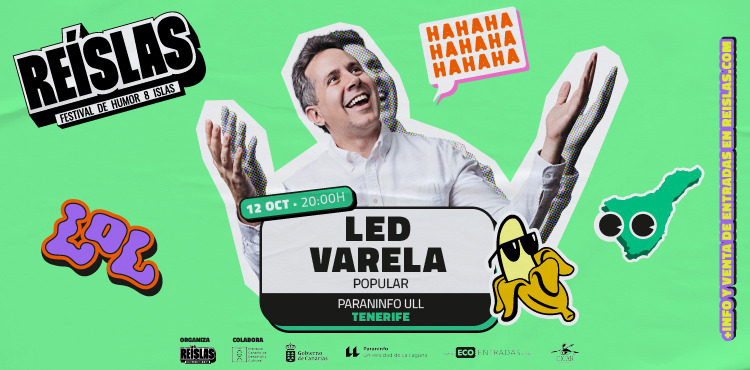
Led Varela is a Venezuelan-Uruguayan comedian, writer, and actor who has built a distinguished career in stand-up comedy, television, and digital platforms. Based in Miami, he is one of the... |
13 events,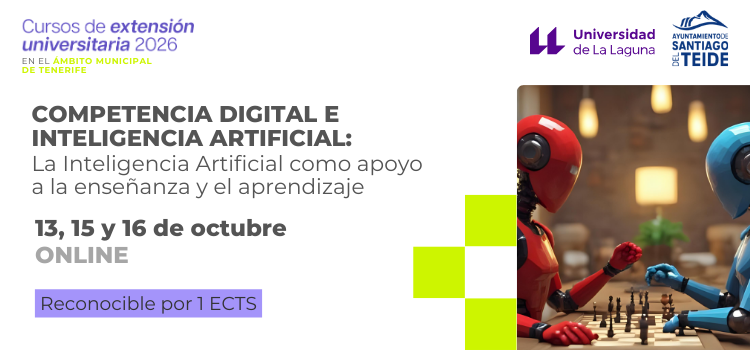
The course "Digital Competence and Artificial Intelligence: Artificial Intelligence as a Support for Teaching and Learning," jointly organized by the Vice-Rectorate for Culture and University Extension and the City Council... 
The Canary Islands Institute of Hemodonation and Hemotherapy is carrying out its annual blood donation campaign among the university community. This year, the campaign will be... 
The Exhibition Hall of the Faculty of Education at the University of La Laguna will host, from October 13th to 30th, the exhibition 'Images - Words', a project by... 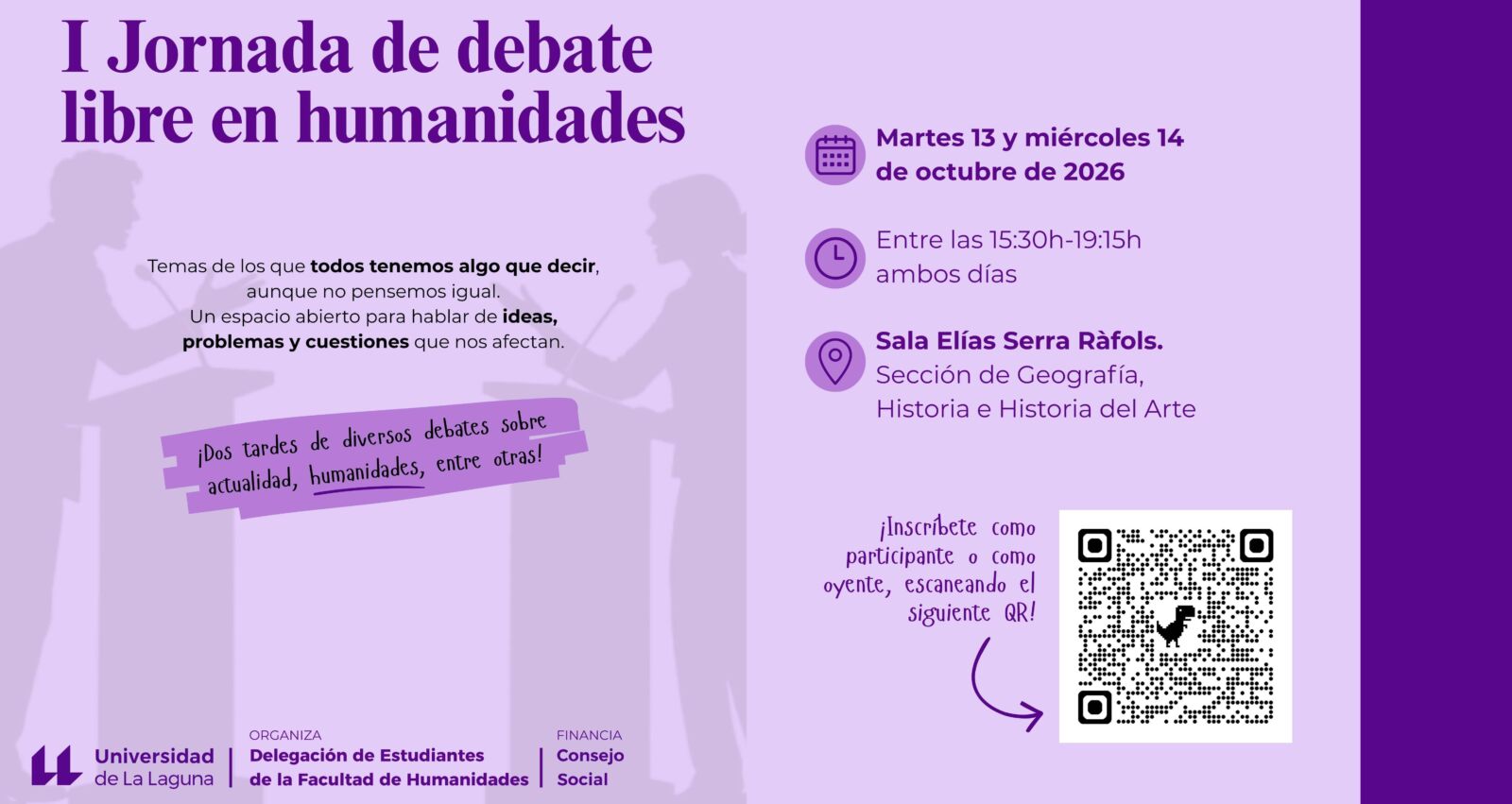
On October 13th and 14th, from 3:30 pm to 7:15 pm, the Student Delegation of the Faculty of Humanities is organizing two afternoons of debate, reflection, and open dialogue...
-

On October 13th, the Gumersindo Trujillo Chair of Regional and Constitutional Studies, together with the Tenerife Island Council, is organizing an academic conference on the new Law of...
-
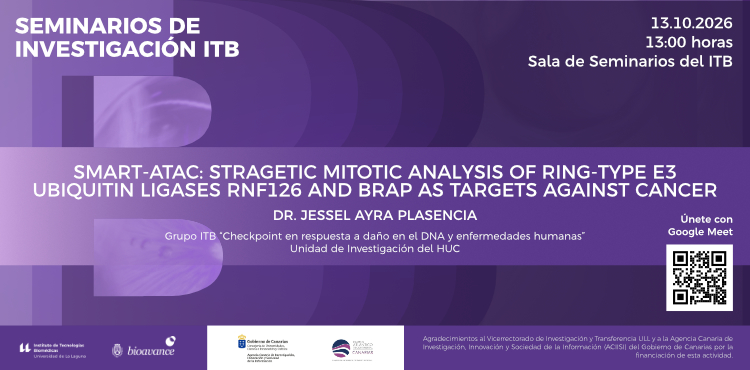
The ITB 2026 Research Seminar program continues on Tuesday, October 13th at 1:00 PM with a seminar by Dr. Jessel Ayra Plasencia, who will give the talk "SMART-ATAC: Strategic Mitotic Analysis...".
-

The Film Classroom, in close collaboration with Film Club Talks and Multicines Tenerife, focuses in October on offering screenings of various kinds, from classic American films... |
15 events,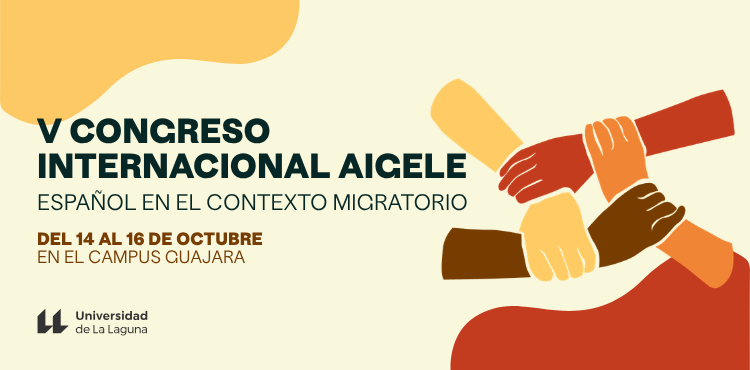
The Canary Islands, as a territory of transit and reception in the international migration context, constitute a privileged space for reflection on the teaching and learning processes of Spanish as a language... 
Trafficking in women for sexual exploitation constitutes a serious violation of human rights and one of the most extreme manifestations of violence against women.
Trafficking in women for sexual exploitation constitutes a serious violation of human rights and one of the most extreme manifestations of violence against women. 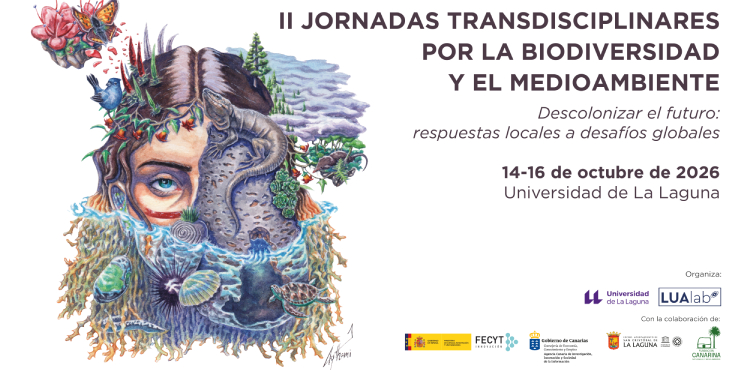
From October 14 to 16, 2026, the University of La Laguna will host the II Transdisciplinary Conference on Biodiversity and the Environment, under the title Decolonizing the future:...
-

On Wednesday, October 14th, the 19th season of a new mathematical physics show continues in the Blas Cabrera Auditorium of the Physics and Mathematics Building at the University of...
-

The Chair of Life Cycles and Older Adults at the University of La Laguna, in collaboration with the Island Council of Tenerife, will hold an event on October 14th at...
-
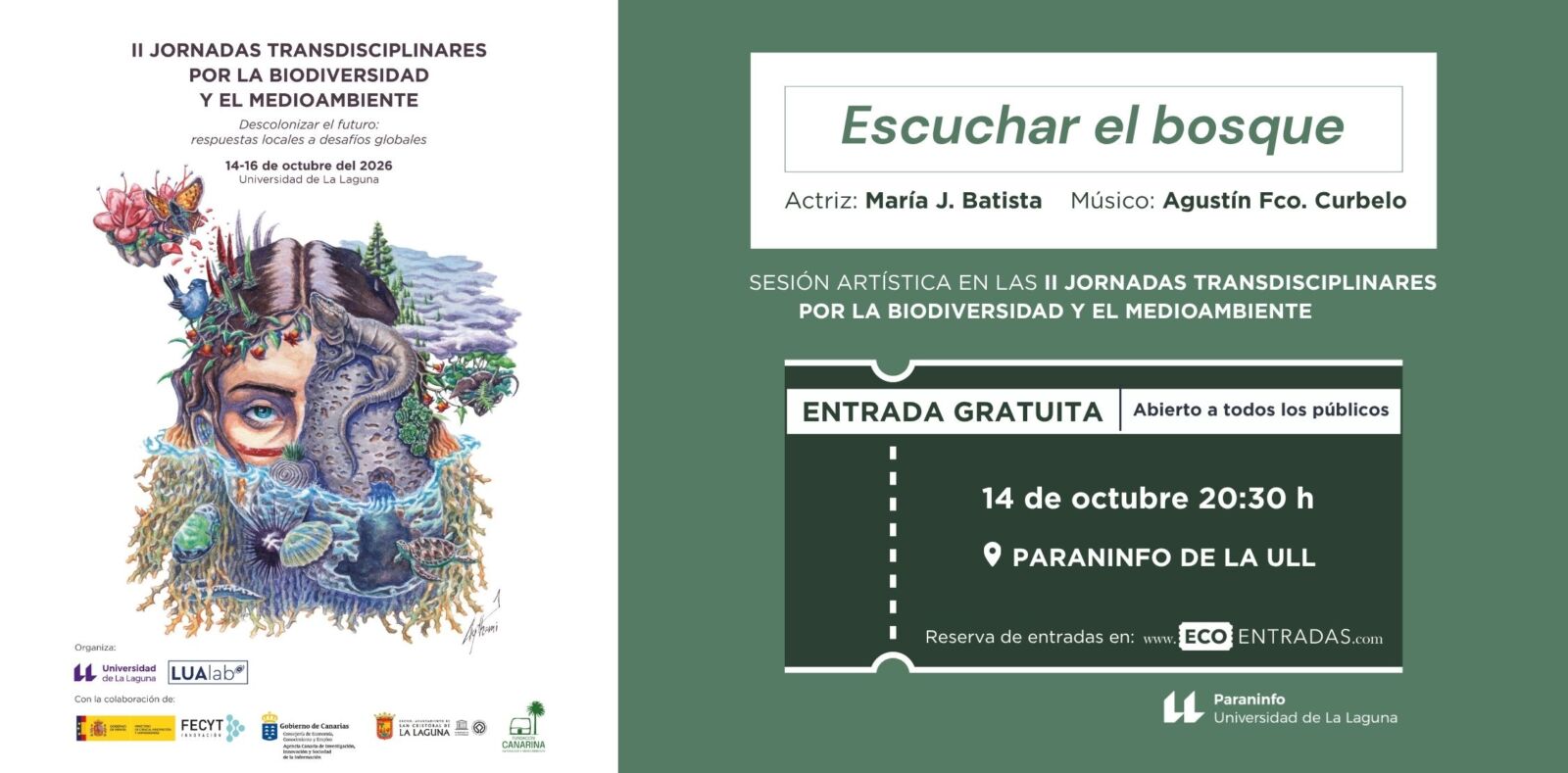
How long has it been since you truly heard the whisper of the wind or the song of the water? We invite you on a sensory journey where spoken words and the sounds of... |
13 events,
-
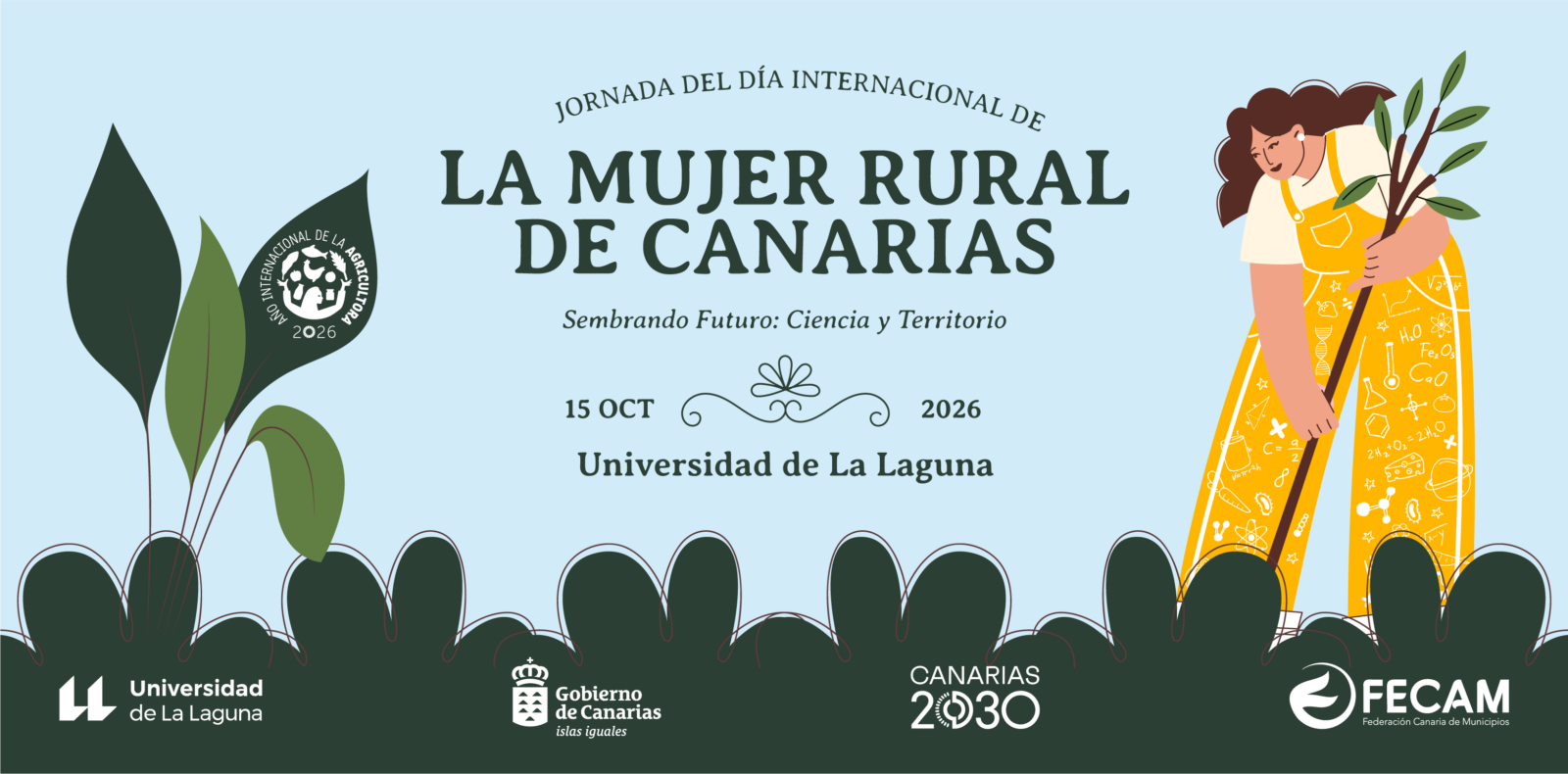
The International Day of Rural Women in the Canary Islands 2026 event, entitled "Sowing the Future: Science and Territory in the Canary Islands", constitutes the central space for comprehensive awareness-raising that promotes...
-
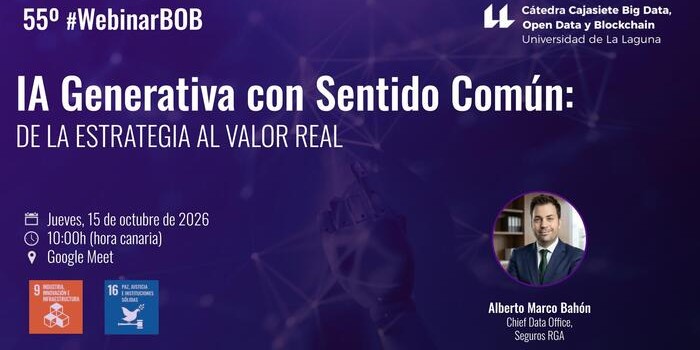
Can Generative Artificial Intelligence move from being a technological promise to generating a real and tangible impact on organizations? In this webinar, we will demonstrate that it can, by combining strategy, common sense...
-
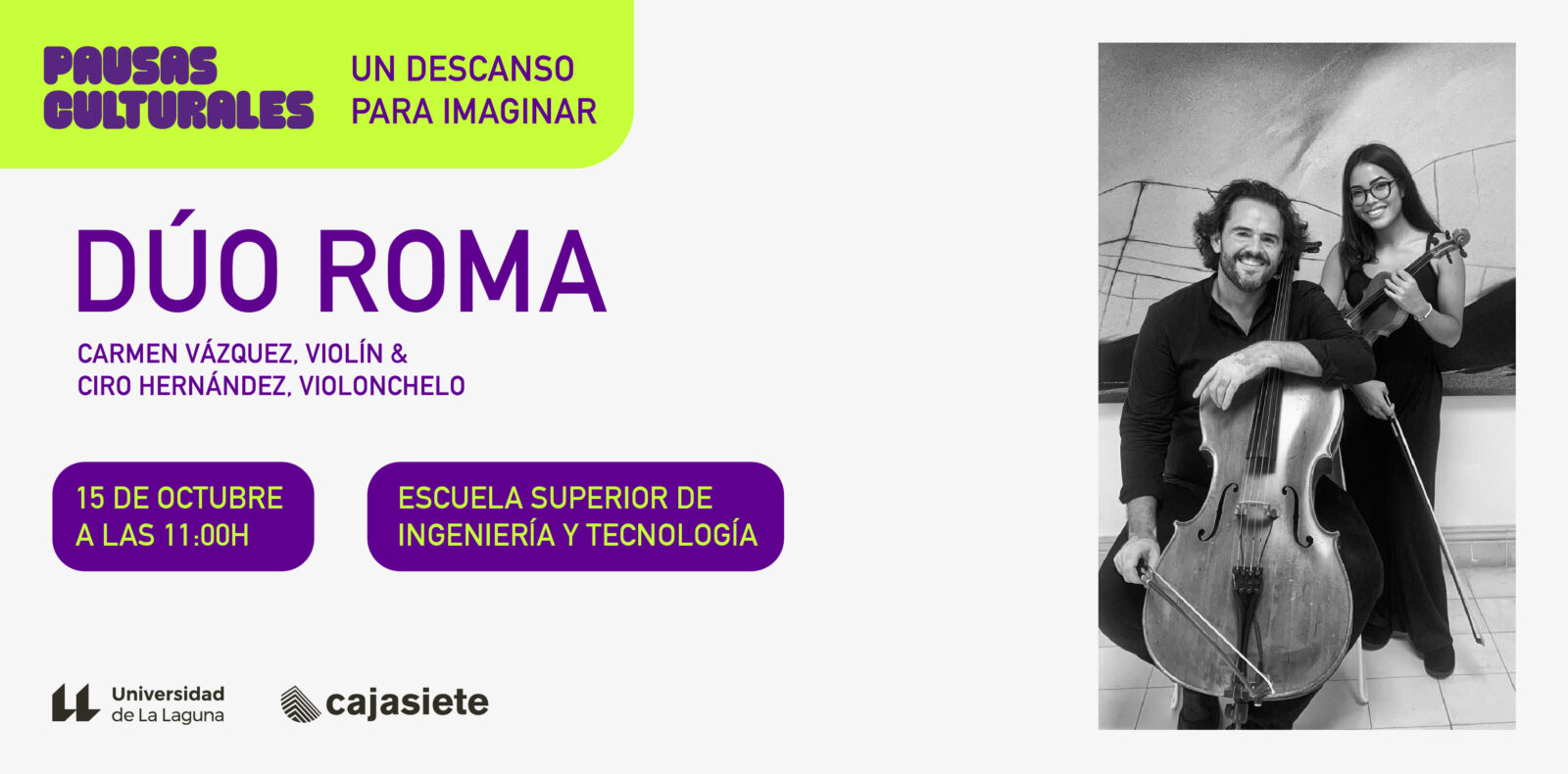
The Vice-Rectorate for Culture and University Extension continues its program, "Cultural Breaks, a rest for imagining," on October 15th at the Anchieta Campus, starting at... |
16 events,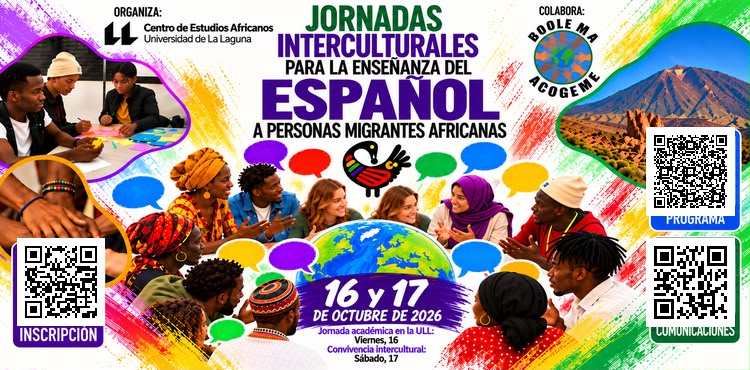
The Centre for African Studies at the University of La Laguna has been promoting the integration of the migrant population for several years through the teaching of Spanish with...
-

At 9:15 a.m. on Friday, October 16, 2026, this session will take place in room 02.2 of the Faculty of Law, co-organized by the coordinators of...
-
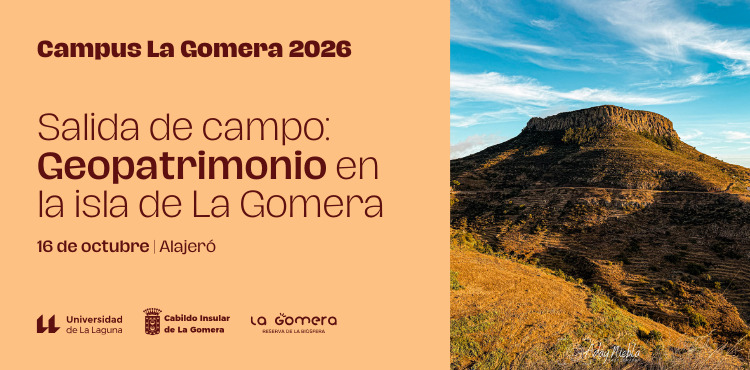
The course "Geoheritage on the Island of La Gomera" is part of the "Campus La Gomera 2026" University Extension Courses program. It will be held on the 16th...
-
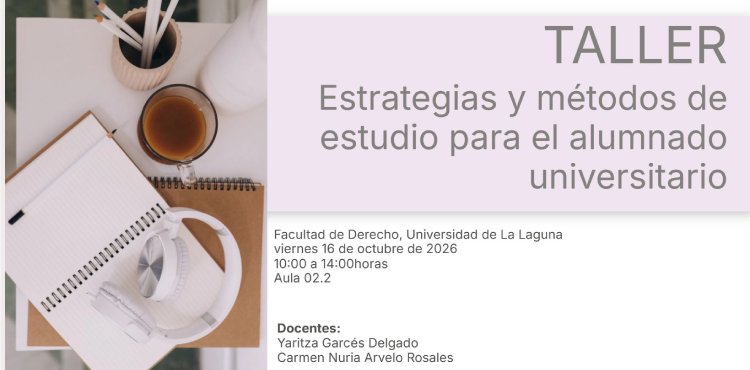
This study skills workshop, taught by professors Yaritza Garcés and Carmen Nuria Arvelo from the Faculty of Education at the University of La Laguna, will take place... |
9 events,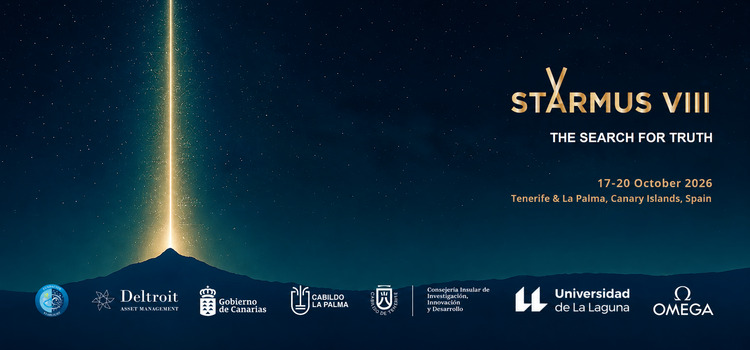
From October 17 to 22, 2026, a new edition of STARMUS will be held, an international festival that brings together some of the world's most prominent figures in...
-

More than a tribute, 'Queen Forever' is a spectacular show that revives the greatness of Queen with breathtaking authenticity. Each show is a journey through time, from Live Aid... |
8 events,
-
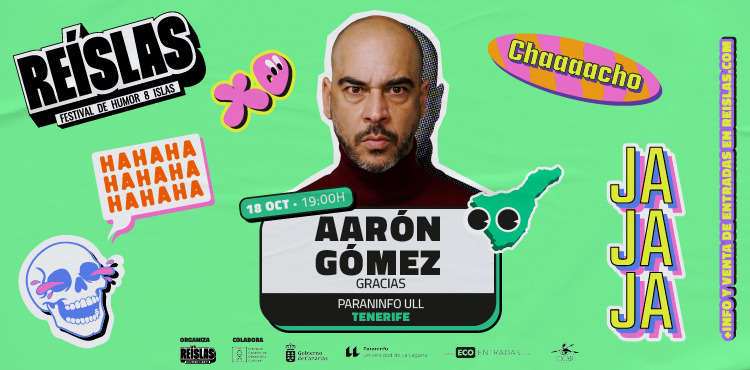
Six years later, a premiere. Not because I've gone far away, but because I've been thinking... perhaps too much. Amidst swells, crosswinds, and the occasional inner turmoil, I discovered... |
16 events,
The course "Nutrition for Life: Eating Without Myths" is part of the 2026 University Extension Courses program "Connect+ Expand Your Knowledge". It will be held online in an asynchronous format... 
The Mapfre Canarias Foundation Chair of Technology and Education, in collaboration with the EDULLAB Research and Innovation Group (Laboratory of Education and New Technologies of the ULL), is organizing this... 
The third edition of the Film and Culture Conference at the University of La Laguna is dedicated to the process of adapting literary works into film. This... 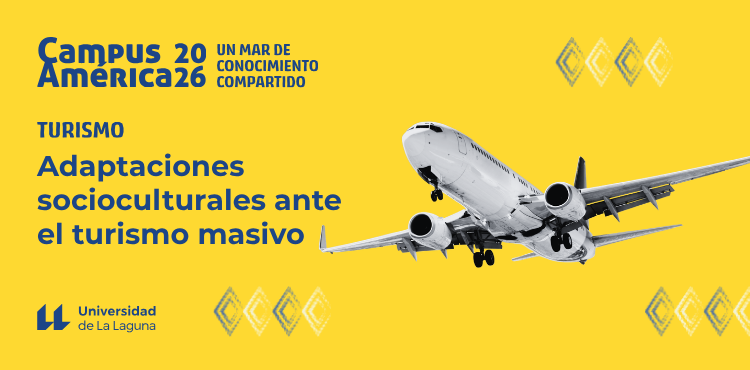
The fifth edition of Campus América is coming, from October 19th to 30th, a space for evaluating and promoting the internationalization efforts of the University of La Laguna...
-
The fifth edition of Campus América is coming, from October 19th to 30th, a space for evaluating and promoting the internationalization efforts of the University of La Laguna...
-
The opening ceremony for the fifth edition of Campus América will take place on Monday, October 19th. This year's event will run from October 19th to 30th. Campus América is...
-
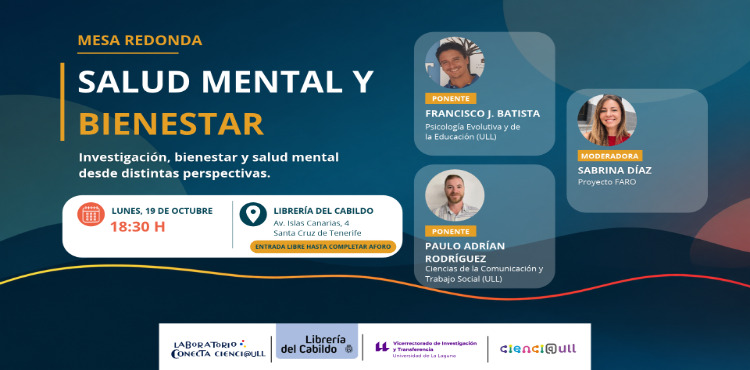
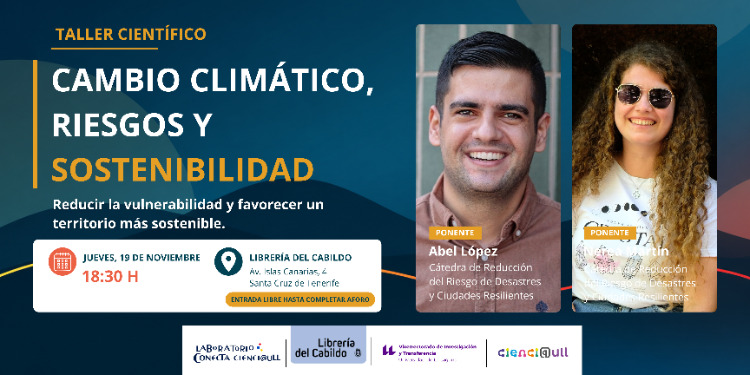
The Tenerife Island Council Bookstore will host the second activity of the Conecta Cienci@ULL Laboratory on Monday, October 19th, a new science outreach program promoted by the Vice-Rectorate of... |
20 events,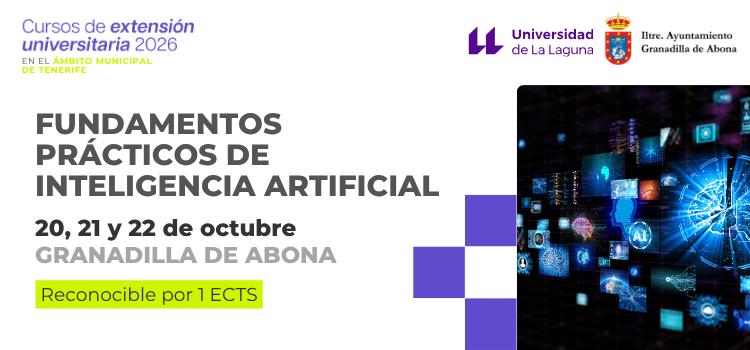
Granadilla de Abona hosts the course "Practical Foundations of Artificial Intelligence", jointly organized by the Vice-Rectorate for Culture and University Extension and the Granadilla de Abona City Council, within... 
The Philosophy Department of the Faculty of Humanities at the University of La Laguna is organizing the extension course "Philosophy and Science Fiction: The Frontiers of the Human," which... 
The Cultural Classroom of Contemporary Artistic Thought organizes this activity which will be held in the Equality Space of the Humanities Library on Tuesdays, October 20, 3, 17... 
The "Theatrical Science 2026" Exhibition will be held on October 20th and 21st, from 9:15 a.m. to 1:00 p.m., in Module A of the Faculty of Education of the... 
The fifth edition of Campus América is coming, from October 19th to 30th, a space for evaluating and promoting the internationalization efforts of the University of La Laguna...
-
The fifth edition of Campus América is coming, from October 19th to 30th, a space for evaluating and promoting the internationalization efforts of the University of La Laguna...
-
The fifth edition of Campus América is coming, from October 19th to 30th, a space for evaluating and promoting the internationalization efforts of the University of La Laguna...
-
The fifth edition of Campus América is coming, from October 19th to 30th, a space for evaluating and promoting the internationalization efforts of the University of La Laguna... |
21 events,
The National Association for Research in Children's and Young Adult Literature (ANILIJ) and the IMAGO Inter-University Research Group are pleased to extend this invitation to you to participate in the fifteenth... 
The fifth edition of Campus América is coming, from October 19th to 30th, a space for evaluating and promoting the internationalization efforts of the University of La Laguna... 
The fifth edition of Campus América is coming, from October 19th to 30th, a space for evaluating and promoting the internationalization efforts of the University of La Laguna...
-
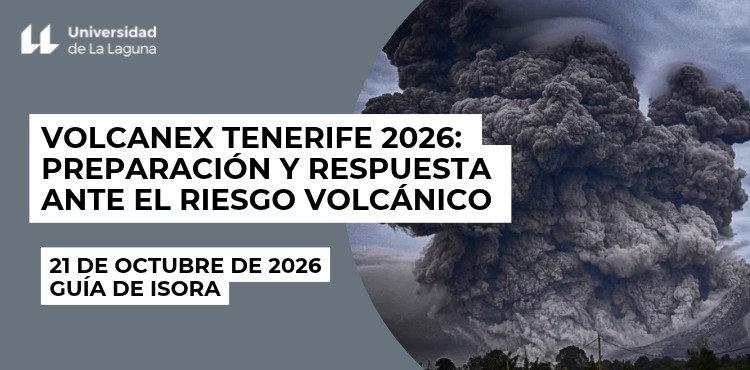
The Cultural Chair for Disaster Risk Reduction and Resilient Cities, together with the Tenerife Island Council and the Guía de Isora City Council, are organizing this course which will be held...
-

The fifth edition of Campus América is coming, from October 19th to 30th, a space for evaluating and promoting the internationalization efforts of the University of La Laguna...
-

The fifth edition of Campus América is coming, from October 19th to 30th, a space for evaluating and promoting the internationalization efforts of the University of La Laguna... |
23 events,
In a global context marked by the need for sustainable, integrated, and cross-cutting responses, the Canary Islands Chair of Agritourism and Wine Tourism of the Canary Islands Institute of Agri-Food Quality and... 
The 8th CRUE-Student Affairs Access and Admission Conference will take place on October 22nd and 23rd, 2026, at the Faculty of Economics, Business and Tourism of the... 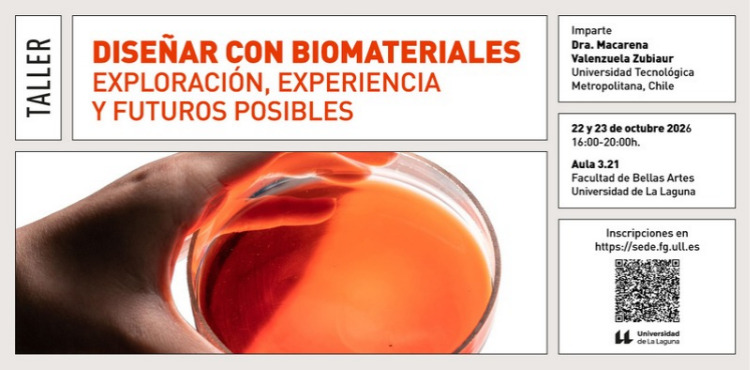
The materials industry, and particularly the construction industry, is responsible for a significant portion of global resource consumption and emissions. Regarding... 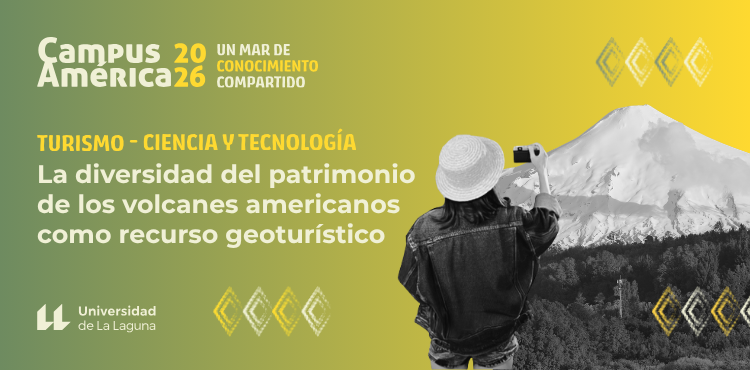
The fifth edition of Campus América is coming, from October 19th to 30th, a space for evaluating and promoting the internationalization efforts of the University of La Laguna... 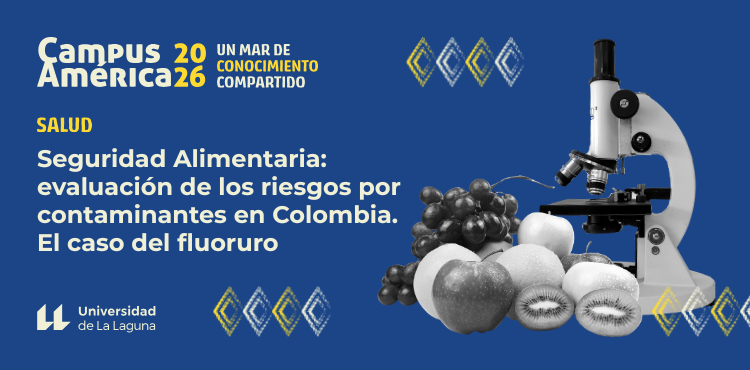
The fifth edition of Campus América is coming, from October 19th to 30th, a space for evaluating and promoting the internationalization efforts of the University of La Laguna...
-

The fifth edition of Campus América is coming, from October 19th to 30th, a space for evaluating and promoting the internationalization efforts of the University of La Laguna...
-
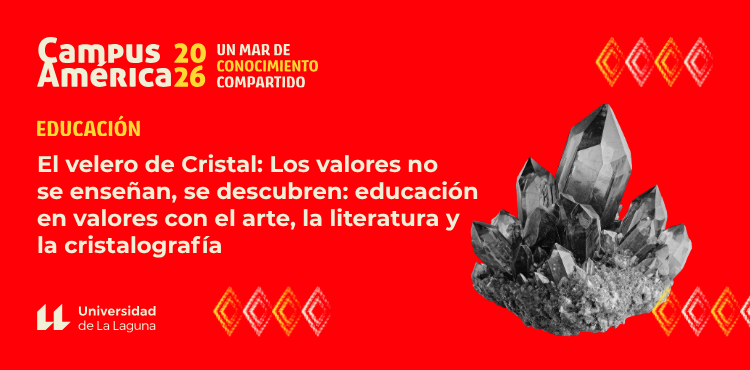
The fifth edition of Campus América is coming, from October 19th to 30th, a space for evaluating and promoting the internationalization efforts of the University of La Laguna...
-
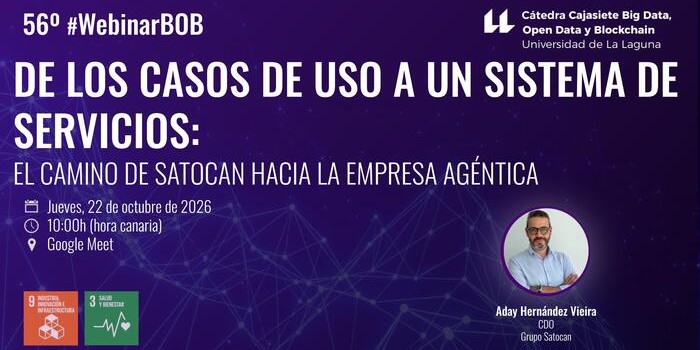
How do you evolve from isolated AI use cases to a scalable service model capable of transforming an entire business group? In this webinar, we'll show you the roadmap... |
18 events,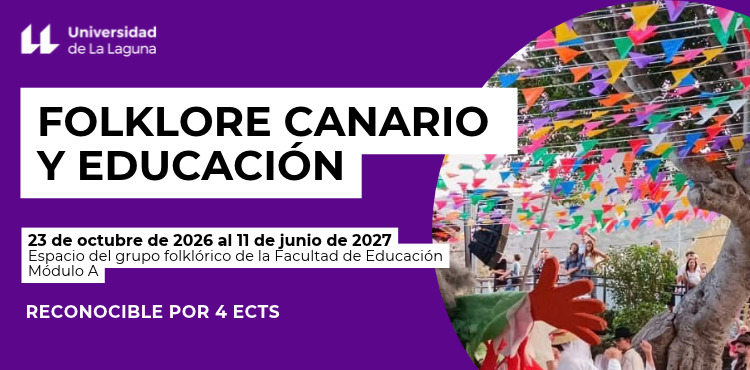
The Cultural Classroom of Ethnography and the Folkloric Group of the Faculty of Education are organizing this course, which will be held in person at the Folkloric Group's premises... 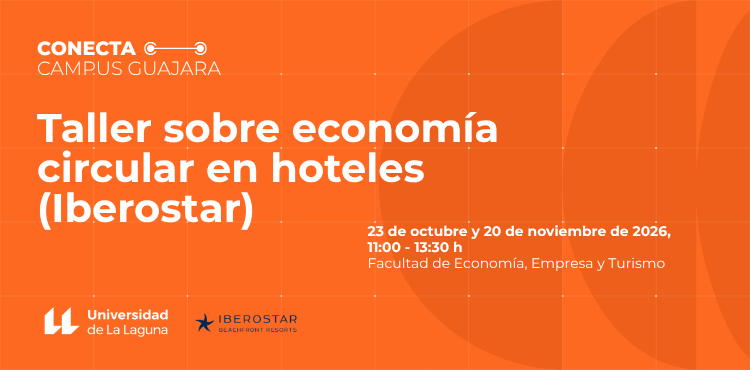
The Faculty of Economics, Business and Tourism, in collaboration with the CajaCanarias-Ashotel Tourism Chair of the ULL and Iberostar, within the framework of CONECTA CAMPUS GUAJARA, is organizing this...
-
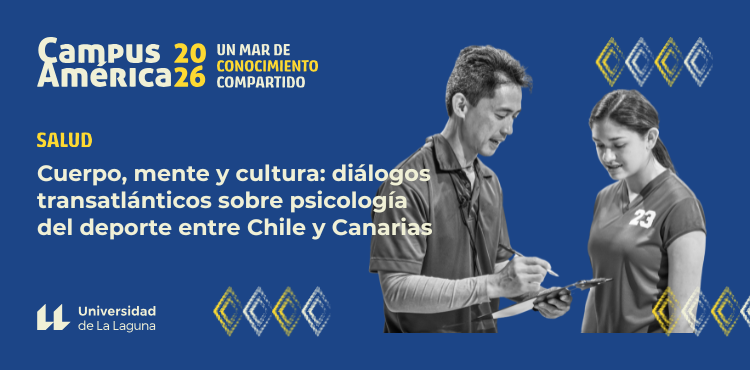
The fifth edition of Campus América is coming, from October 19th to 30th, a space for evaluating and promoting the internationalization efforts of the University of La Laguna...
-
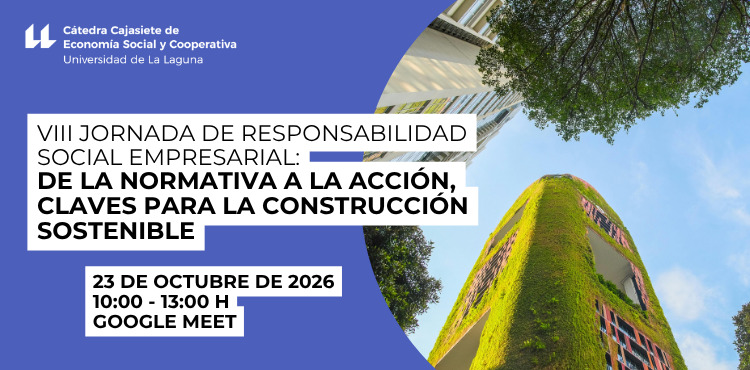
The Cajasiete Chair of Social and Cooperative Economy (CESCO) is organizing this conference, which will be held online on October 23, 2026, from 10:00 to 13:00...
-
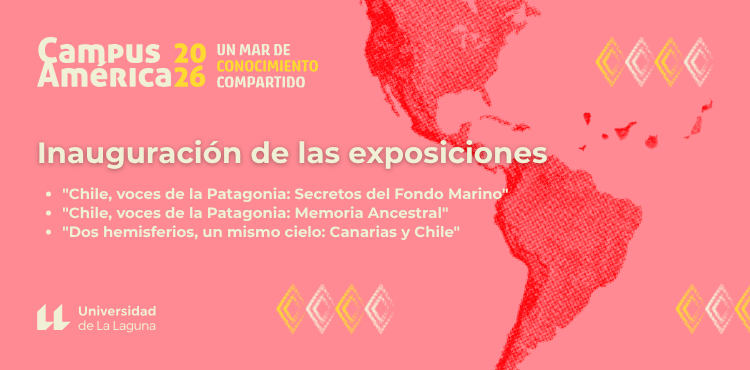
The fifth edition of Campus América is coming, from October 19th to 30th, a space for evaluating and promoting the internationalization efforts of the University of La Laguna... |
8 events,
-
The fifth edition of Campus América is coming, from October 19th to 30th, a space for evaluating and promoting the internationalization efforts of the University of La Laguna...
-
The fifth edition of Campus América is coming, from October 19th to 30th, a space for evaluating and promoting the internationalization efforts of the University of La Laguna... |
6 events, |
11 events,
The fifth edition of Campus América is coming, from October 19th to 30th, a space for evaluating and promoting the internationalization efforts of the University of La Laguna... 
The fifth edition of Campus América is coming, from October 19th to 30th, a space for evaluating and promoting the internationalization efforts of the University of La Laguna...
-
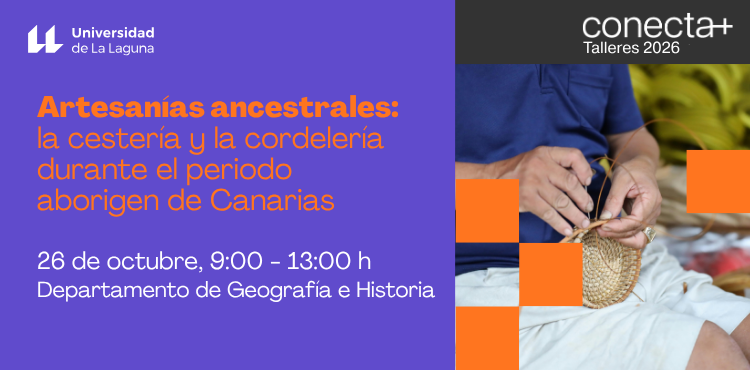
The workshop "Ancestral Crafts: Basketry and Rope Making during the Aboriginal Period of the Canary Islands" is part of the 2026 University Extension Workshops program "Connect+ Workshops". It will be held...
-
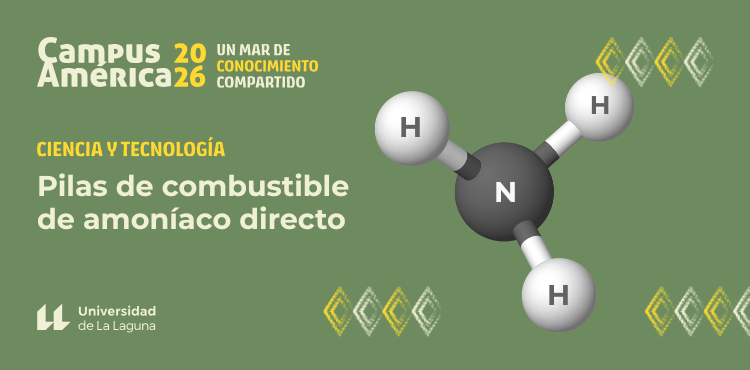
The fifth edition of Campus América is coming, from October 19th to 30th, a space for evaluating and promoting the internationalization efforts of the University of La Laguna...
-
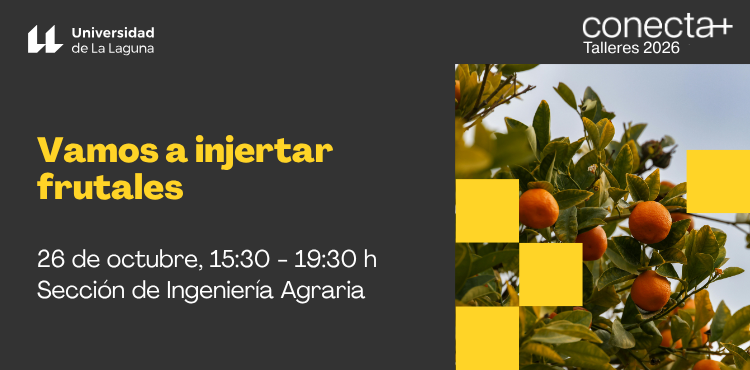
The workshop "Let's Graft Fruit Trees" is part of the 2026 University Extension Workshops program, "Connect+ Workshops." It will be held in the Agricultural Engineering Department on Monday the 26th... |
16 events,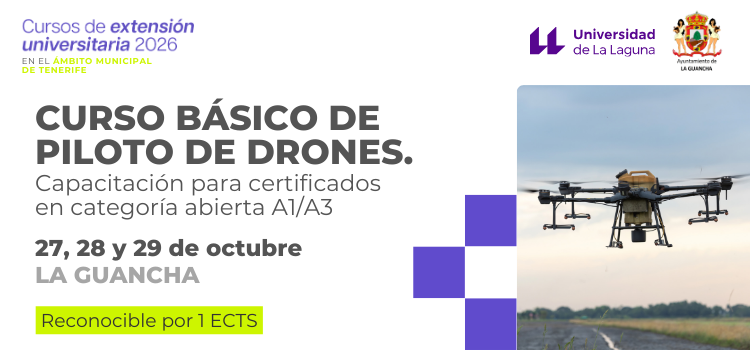
La Guancha hosts the course "Basic Drone Pilot Course. Training for open category A1/A3 certifications", jointly organized by the Vice-Rectorate for Culture and University Extension and the City Council... 
The Faculty of Law at the University of La Laguna will host the exhibition “Only Six. The Story of Salimata Sangare” throughout the month of November in its facilities... 
The fifth edition of Campus América is coming, from October 19th to 30th, a space for evaluating and promoting the internationalization efforts of the University of La Laguna...
-

The fifth edition of Campus América is coming, from October 19th to 30th, a space for evaluating and promoting the internationalization efforts of the University of La Laguna...
-
The fifth edition of Campus América is coming, from October 19th to 30th, a space for evaluating and promoting the internationalization efforts of the University of La Laguna...
-
The fifth edition of Campus América is coming, from October 19th to 30th, a space for evaluating and promoting the internationalization efforts of the University of La Laguna... |
18 events,
The Spanish Association of Climatology (AEC) was founded in 1998 to bring together those interested in climate science. Every two years... 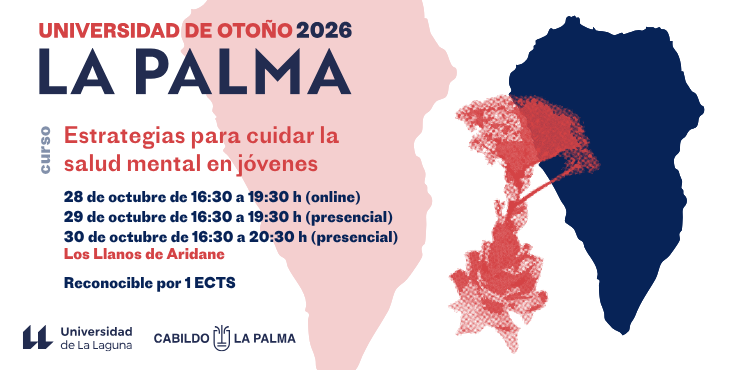
Los Llanos de Aridane hosts the University Extension course "Strategies for caring for the mental health of young people", which will be held on October 28, 29 and 30... 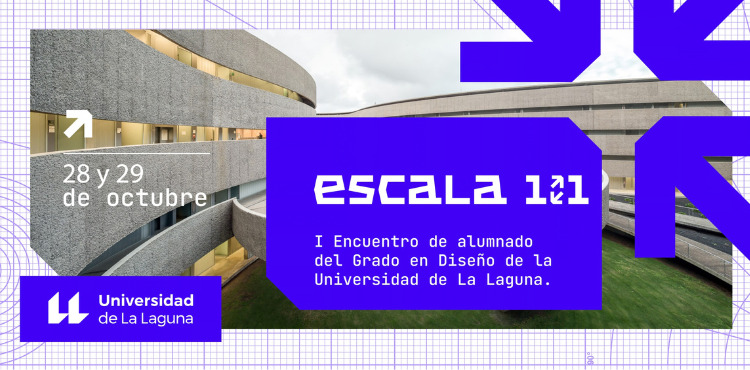
The Cultural Design Classroom is organizing this meeting which will be held at the Guajara Campus on October 28 and 29, 2026 from 4:30 pm to 7:00 pm... 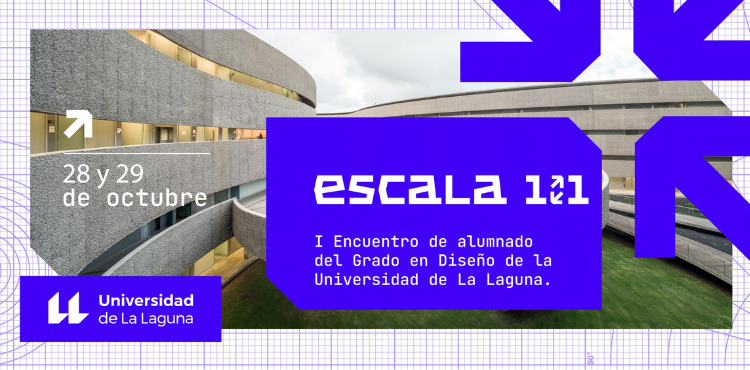
The Cultural Design Classroom is organizing this meeting which will be held at the Guajara Campus on October 28 and 29, 2026 from 4:30 pm to 7:00 pm...
-
The fifth edition of Campus América is coming, from October 19th to 30th, a space for evaluating and promoting the internationalization efforts of the University of La Laguna...
-
The fifth edition of Campus América is coming, from October 19th to 30th, a space for evaluating and promoting the internationalization efforts of the University of La Laguna...
-
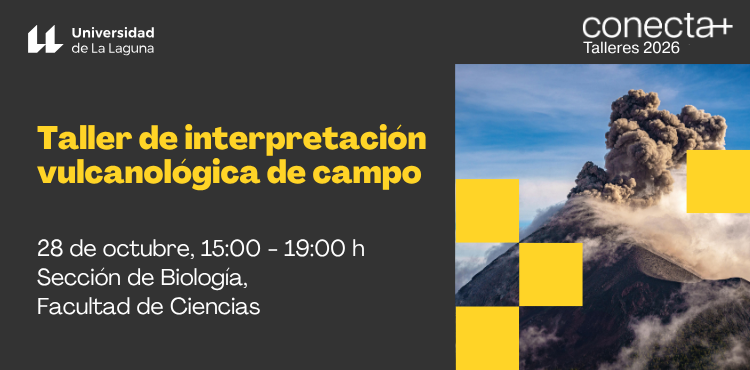
The "Field Volcanological Interpretation Workshop" is part of the 2026 University Extension Workshops program, "Connect+ Workshops." It will be held on Wednesday, October 28th... |
19 events,
The Scientific Conference is conceived as an “Open Laboratory” focused on advances in international research on Human Rights and Social Work. It aims to broaden and bring the content closer... 
The international seminar "Housing as an axis of inequality: actors, policies and resistance. Housing Wealth Nexus Annual Meeting" will take place on October 29 and 30 at the University of... 
The orientation meeting in Tenerife will take place on October 29th in the Blas Cabrera Felipe Auditorium, in the Physics and Mathematics Building of the Faculty of... 
As a parallel activity to the upcoming ULL Debates: Our Mental Health, scheduled for October 29th at the Faculty of Social Sciences and Information, we will have...
-
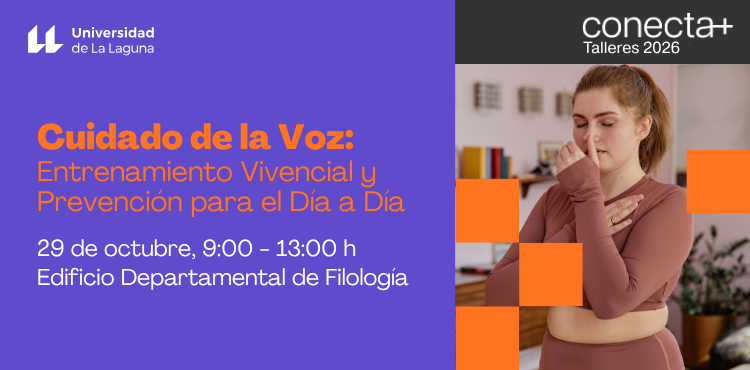
The workshop "Voice Care: Experiential Training and Prevention for Everyday Life" is part of the 2026 University Extension Workshops program "Connect+ Workshops". It...
-

Mental health is a broad phenomenon that affects multiple aspects of our society; therefore, the public university stands as a space for the everyday expression of...
-
The fifth edition of Campus América is coming, from October 19th to 30th, a space for evaluating and promoting the internationalization efforts of the University of La Laguna... |
17 events,
-
The University Institute of Neuroscience (IUNE) is organizing a conference next Friday, October 30th, with Dr. Tristan Bekinschtein, a researcher in the Department of Psychology at the University of Cambridge,...
-

The European Documentation Centres of the ULL and the ULPGC, together with the Canary Islands Council of the European Movement, Eurodesk Spain, Europe Direct Canarias and the Parliament of the Canary Islands, are organizing a...
-
The closing ceremony for the fifth edition of Campus América will take place on Friday, October 30th. This year's event runs from October 19th to 30th. Campus América is... |
7 events,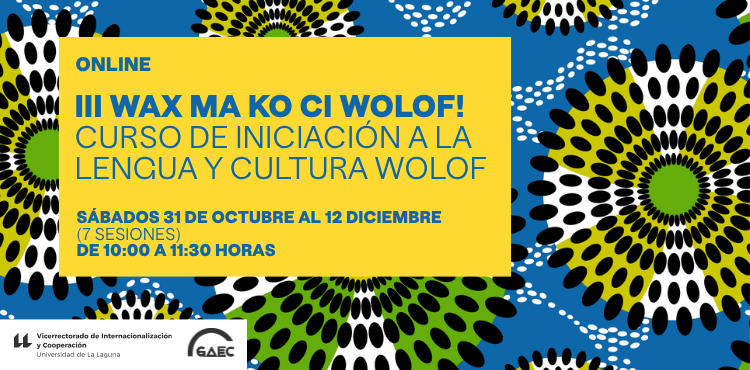
Following the excellent reception of the first two editions, the Directorate of Cooperation and Mobility with Africa and Latin America of the University of La Laguna, in collaboration with the laboratory...
-
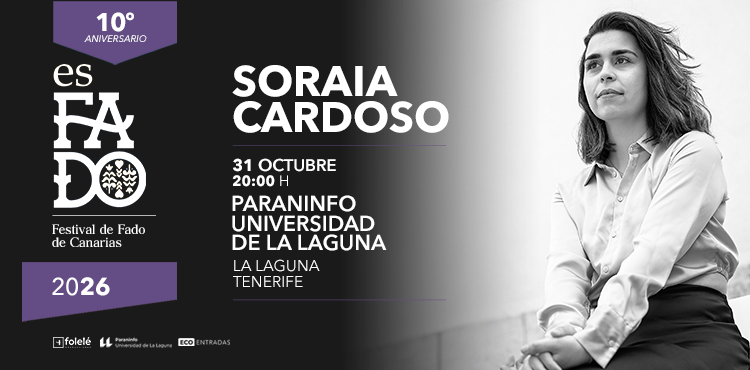
Soraia Cardoso is one of Portugal's rising fado singers. In 2018, she was a contestant on the television program The Voice Portugal, where she finished in third place. She was the first fado singer... |
6 events, |
Government Pavilion, C/ Padre Herrera s/n
P.O. Box 456
38200, San Cristóbal de La Laguna
Santa Cruz de Tenerife - Spain
Switchboard Tel.: (+34) 922 31 90 00
Hours: Mon-Fri, 8:00 a.m. to 9:00 p.m.
